
TL;DR
Keeping dorm bedding fresh requires regular washing, proper drying, and smart habits. Small steps like airing out sheets and using protectors can prevent odors and allergens, making your space more comfortable.
Imagine sinking into a bed that smells like a breeze after a rainstorm—clean, fresh, and inviting. Dorm rooms often mean tight spaces and limited laundry options, but that doesn’t mean your bedding has to feel grimy or stale. You can keep your sheets, pillowcases, and mattress fresh with just a few simple habits.
In this guide, you’ll learn how often to wash your bedding, the best techniques to keep it smelling great, and quick tips to freshen things up between laundry days. Making your dorm bed a haven of cleanliness boosts comfort and keeps allergies at bay—something every student needs.
Wash sheets and pillowcases weekly to prevent dust mites and odors.
Proper drying and storage keep bedding fresh longer.
Use mattress and pillow protectors to block stains and allergens.
Air out bedding daily and sprinkle baking soda between washes.
Opt for eco-friendly detergents and antimicrobial fabrics when possible.
Top Tips for Keeping Dorm Bedding Fresh and Clean
Turn a cramped dorm bed into a clean, inviting reset zone. A steady wash rhythm, complete drying and a few low-effort habits help control sweat, odors, dust mites and allergens without wearing out your bedding.
Freshness formula: wash regularly + dry completely + keep moisture moving.
The clean-bed calendar
Dorm bedding collects sweat, body oils, skin cells and dust in a small space. Match each layer to a realistic cleaning cadence instead of treating the entire bed as one laundry load.
Sheets + pillowcases
Wash at least once a week. This is the most important step for controlling odors, dust mites, bacteria and potential skin irritation.
Every 7 daysProtectors
Wash pillow protectors weekly or bi-weekly. A monthly cycle may suit mattress protectors; always check the care label.
1–4 times monthlyTopper + inserts
Inspect, spot-clean and deep-clean periodically. Review condition every six to twelve months for stains, odors or wear.
Seasonal reviewA four-step wash that protects the fabric
The goal is thorough soil and allergen removal without excessive detergent, washer crowding or heat damage. The care label makes the final call on temperature and cycle.
Read + sort
Separate colors and fabrics. Check labels before choosing hot, warm or delicate settings.
Protect fibersLoad loosely
Give sheets room to circulate. A typical 7 kg washer may hold one full dorm bedding set.
Avoid overloadWash wisely
Use the warmest label-safe water. Cotton and linen often tolerate more heat than delicate fabrics.
Label-safe heatDry fully
Do not fold or remake the bed while fabric is damp. Residual moisture encourages mildew and odor.
Zero dampnessThe dorm-load principle
Use a measured amount of detergent and leave space in the drum. More soap is not more clean: excess residue can trap grime and irritate skin.
Optional odor neutralizer
White vinegar may help soften fabric and neutralize smells. Never combine vinegar with chlorine bleach or ignore machine and fabric instructions.
Six habits that keep freshness going
Tiny daily choices reduce the moisture, oils and trapped odors that make dorm bedding feel stale before laundry day arrives.
Fold covers back
Air out the sleep surface each morning so overnight warmth and moisture can dissipate.
Daily / 10–30 minutesUse protectors
Breathable, hypoallergenic mattress and pillow covers block stains, skin cells and allergens.
Barrier strategyDeodorize naturally
Sprinkle baking soda lightly, allow it to sit, then vacuum it away before sleeping.
Weekly refreshStart clean
Shower regularly, wash your face and change into clean pajamas to transfer less oil and sweat.
Personal hygieneStore it dry
Use a breathable container in a ventilated spot. Never pack bedding while it is even slightly damp.
Moisture controlChoose smart fabrics
Consider breathable, moisture-wicking or antimicrobial materials, especially in warm, humid rooms.
Modern upgradePut effort where it matters most
A practical dorm routine prioritizes the high-contact layers and the moisture-control steps that have the greatest influence on how bedding smells and feels.
Cleaning balance
Infrequent washing allows oils, allergens and odors to build up. Excessive washing with harsh products accelerates fading and fiber wear. Weekly sheet care is a sensible middle ground.
| Practice | Odor control | Allergen control | Fabric care | Dorm verdict |
|---|---|---|---|---|
| Weekly sheet wash | ✓ | ✓ | ✓ | Essential baseline |
| Complete drying | ✓ | ✓ | ✓ | Never skip |
| Breathable protectors | ✓ | ✓ | ✓ | High-value shield |
| Fabric softener | ~ | ~ | ~ | Use sparingly; may reduce absorbency |
| Storing damp bedding | ✗ | ✗ | ✗ | Mold and mildew risk |
| Overloading the washer | ✗ | ✗ | ✗ | Blocks proper circulation |
Clean habits create a healthier sleep loop
Each action supports the next. The result is not simply better-smelling sheets, but a more comfortable and manageable dorm environment.
Air daily
Release heat and moisture
Wash weekly
Remove oils and allergens
Dry fully
Discourage mildew growth
Store wisely
Keep clean sets ready
The one-minute takeaway
Wash sheets and pillowcases weekly, keep protectors in rotation, follow fabric-safe temperature guidance, dry every layer completely, air the bed each morning and store spare bedding only when it is clean and dry.
How often should you wash your dorm bedding? This is the secret to fresh sheets every week.
The golden rule: wash your sheets and pillowcases at least once a week. Dorm beds are magnets for sweat, oils, and dust. If you skip weekly washes, these build up and create a musty smell or even skin irritations.
For example, on a typical week, your sheets might accumulate sweat from late-night studying or sweat from your body during sleep. Washing weekly keeps mold, dust mites, and bacteria at bay. Mattress protectors can be washed less often—about once a month—but should still be cleaned regularly to prevent allergens from lurking.
Neglecting regular washing can lead to the proliferation of dust mites and bacteria, which are major contributors to allergies and skin issues. Conversely, washing too frequently with harsh detergents may cause fabric wear and reduce the lifespan of your bedding. Striking a balance ensures your bedding remains both clean and durable.
As an affiliate, we earn on qualifying purchases.
Master the art of laundry: How to wash dorm bedding correctly
Washing your bedding properly is key to keeping it fresh and lasting longer. Use hot water (if your fabric allows) to kill germs and dust mites, which are common culprits in causing allergies and skin irritations. Proper washing techniques ensure that allergens, oils, and dirt are effectively removed without damaging delicate fabrics.
For example, in a typical dorm laundry room, a 7kg washer can handle a full set of sheets, pillowcases, and a mattress protector. Use about half a cup of regular detergent, and consider adding a cup of white vinegar to soften fabrics and neutralize odors. Choosing the right wash cycle—typically a hot or warm setting—ensures thorough cleaning. Dry thoroughly—damp bedding causes mold and smells. Proper drying not only prevents mold but also prolongs the life of your bedding by reducing fabric degradation caused by residual moisture.
Choosing the right wash cycle and temperature is crucial. Delicate fabrics may require gentler cycles, while cottons and linens can handle higher temperatures for better sanitation. Remember, the goal is to remove dirt, oils, and allergens without damaging your bedding. This careful approach helps maintain the integrity of your fabrics over time, saving money and effort in the long run.
As an affiliate, we earn on qualifying purchases.
Use protective covers to keep bedding cleaner and fresher
Mattress and pillow protectors act as barriers against stains, dust mites, and allergens. They’re like a shield that keeps your bedding cleaner longer. Regularly washing these covers—ideally weekly or bi-weekly—removes accumulated dust and skin cells, which are primary sources of odors and allergens. This proactive step reduces the frequency with which you need to wash your entire bedding set, saving time and prolonging the freshness of your sheets.
Picture slipping into a bed with a crisp, clean cover that smells faintly of linen. It’s a small step, but it makes a big difference in how fresh your bedding feels and how well it wards off dirt and stains. Protective covers also help extend the lifespan of your bedding by preventing direct contact with sweat, oils, and skin cells that can degrade fabric over time. Choosing breathable, hypoallergenic covers can prevent trapping moisture, which otherwise promotes mold growth, especially in humid environments. This balance between protection and breathability is crucial for maintaining a healthy sleep environment.
As an affiliate, we earn on qualifying purchases.
Quick tricks to keep bedding smelling fresh between washes
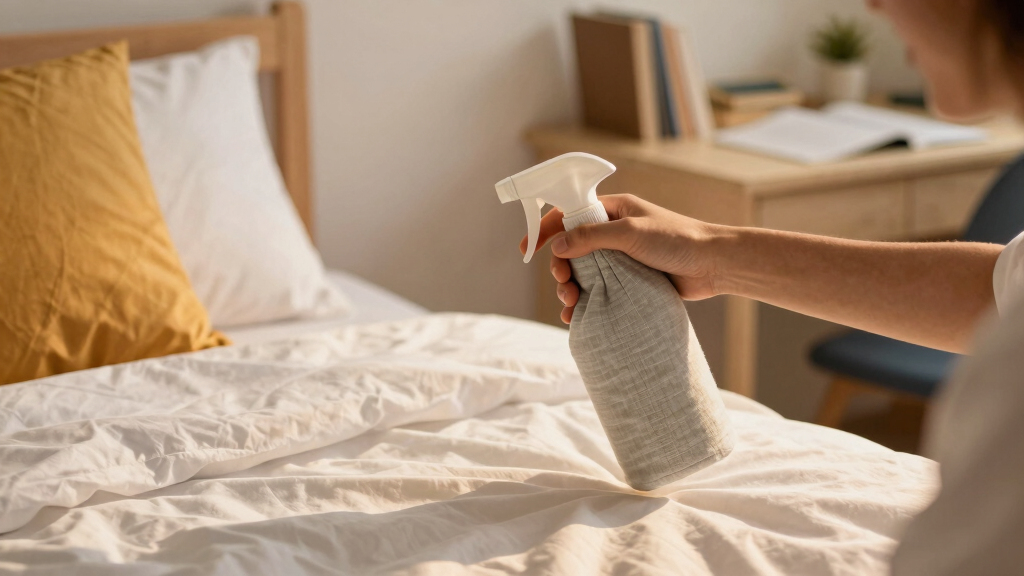
Between laundry days, a few simple habits can significantly improve your bedding’s scent and hygiene. Air out sheets daily by folding back your covers during the day; this dissipates moisture and reduces bacterial growth, which are common causes of odors. Additionally, sprinkling baking soda on sheets once a week and vacuuming it off absorbs odors and moisture, acting as a natural deodorizer. These habits help prevent the buildup of bacteria and fungi that cause musty smells, especially in humid climates.
For example, after a long day of classes, you might open your window, strip your sheets, and let the fresh air do its magic. Adding a few drops of lavender or eucalyptus essential oil to your pillow can also give your bed a calming, fresh scent. These simple practices not only improve smell but also help reduce allergen buildup, creating a healthier sleep environment. Consistent use of these tricks can prevent odors from becoming embedded, making your bedding feel consistently fresh and inviting.
As an affiliate, we earn on qualifying purchases.
Storage and handling: Keep your bedding fresh when not in use
Store clean bedding in a dry, well-ventilated spot—not under your bed or in a damp closet. Avoid piling bedding in a cramped corner, which traps moisture and causes odors. Use breathable storage bins or vacuum-sealed bags if space is tight. Proper storage prevents the growth of mold and mildew, especially in humid environments, by allowing air circulation and reducing trapped moisture that causes odors.
Imagine pulling out a fresh set of sheets from a cool, airy closet—no musty smell, no mold. Proper storage not only preserves the quality of your bedding but also prevents the growth of mold and mildew caused by trapped moisture. Choosing breathable materials for storage containers allows air circulation, reducing humidity and odor buildup. If you live in a particularly humid climate, consider using silica gel packs or dehumidifiers in your storage area to keep moisture levels low. These precautions ensure your bedding remains clean, fresh, and ready to use whenever needed.
Personal hygiene: Your best weapon against dirty bedding
Showering regularly and wearing clean pajamas significantly reduce the transfer of dirt, oils, and sweat to your sheets. Think of your body as a garden—regular watering (hygiene) keeps the soil (your bedding) healthy and fresh. When you skip showers or wear the same pajamas for days, your bedding quickly absorbs that grime, leading to odors and potential skin breakouts. Small habits like washing your face before bed and changing into fresh pajamas each night not only keep your sheets cleaner but also promote better skin health and reduce the risk of breakouts caused by bacteria and oils. These practices are essential for maintaining a hygienic sleep environment and preventing the buildup of bacteria that can compromise skin health.
Latest eco-friendly tips for dorm bedding care
Eco-conscious students love using plant-based detergents, vinegar, and baking soda. These options are gentle on fabrics and better for the planet. They also help keep your bedding fresh without synthetic chemicals that can cause skin irritation or harm the environment. Switching to biodegradable laundry pods or adding a splash of vinegar during rinse cycles can naturally boost freshness and reduce chemical residues. These small choices contribute to a greener dorm lifestyle by minimizing chemical runoff and reducing your ecological footprint while maintaining a clean, healthy sleeping environment. Choosing eco-friendly products aligns with sustainable living and ensures that your bedding care routine is both effective and environmentally responsible.
Smart bedding solutions you might want to try
Antimicrobial fabrics, moisture-wicking sheets, and hypoallergenic pillows are gaining popularity because they actively fight bacteria, stay dry longer, and reduce allergens. These innovations are designed to create a healthier sleep environment by minimizing the buildup of microbes and moisture, which are common sources of odors and mold in bedding.
Imagine waking up in a bed that actively fights odors and mold—that’s what these innovations offer. They’re especially handy if you have allergies or tend to sweat at night. While these options often come with a higher upfront cost, they can significantly improve sleep quality and reduce the need for frequent washing, making them a smart investment for long-term dorm bedding care. Their ability to maintain a fresher, cleaner bed over time means less time spent on laundry and more on enjoying your college experience.
Frequently Asked Questions
How often should I wash my dorm bedding?
Ideally, wash sheets and pillowcases once a week. Mattress protectors can be cleaned about once a month, but regular washing keeps allergens and odors at bay.
What’s the best way to keep bedding smelling fresh?
Wash regularly, air out sheets daily, and sprinkle baking soda or add a few drops of essential oil to your pillowcases for a natural boost of freshness.
Can I use fabric softener on my bedding?
Yes, but some prefer to skip it because it can reduce fabric absorbency and cause skin irritation. Vinegar is a good natural alternative to soften fabrics and neutralize odors.
How do I prevent mold and mildew in my dorm bedding?
Ensure bedding is completely dry before storing, avoid damp storage spaces, and keep your room well-ventilated to prevent moisture buildup.
Are eco-friendly cleaning options effective?
Yes, plant-based detergents, vinegar, and baking soda work well to clean and deodorize bedding without harsh chemicals, making them perfect for eco-conscious dorm dwellers.
Conclusion
Keeping your dorm bedding fresh isn’t rocket science—it’s about small, consistent habits. Regular washing, proper drying, and smart storage turn your bed into a sanctuary rather than a source of allergies or odors.
Think of your bedding as a reflection of your own hygiene. Treat it well, and your sleep space will feel fresher, cleaner, and more inviting every night.