
TL;DR

Prime made for students and young adults
- Fast, free delivery for dorm and study essentials
- Prime Video and Amazon Music included
- Member-only deals
Regular, short cleaning sessions combined with smart decluttering keep dorm spaces manageable. Prioritize trash, laundry, and shared surfaces to prevent odors and clutter from piling up.
Few things drain energy like a messy dorm. That cluttered desk, overflowing trash, and scattered clothes can turn a cozy space into chaos in minutes.
If you want a dorm that feels more like a retreat than a disaster zone, you need a plan. This guide walks through practical strategies to keep your tiny space clean, organized, and stress-free—without spending hours each week.
Regular, brief daily routines prevent clutter from building up and make weekly deep cleans easier.
Decluttering methods like the four-destination sort help you decide what to keep and what to toss, saving space.
Maximize storage by using vertical space, under-bed containers, and labeling to keep your room organized.
Prioritize disinfecting high-touch shared surfaces daily to prevent germs and odors.
Start move-out cleaning early by decluttering and packing in stages, reducing stress and last-minute chaos.
Strategies for Effective Dorm Room Cleaning and Decluttering
Regular, short cleaning sessions combined with deliberate decluttering keep a tiny room manageable. Prioritize trash, laundry, food residue, and shared surfaces first—then give every remaining item a clear home.
“A calm dorm is built through small resets, not occasional cleaning marathons.”
Short routines beat the snowball effect.
A predictable rhythm prevents clutter, dust, odors, and food debris from compounding. Complete the smallest useful reset every day, schedule one focused weekly clean, and use monthly checkpoints for less-visible problems.
Reset the room
Handle anything that creates immediate visual clutter, odors, or obstacles.
- Make the bed and open blinds
- Put clothing in its proper place
- Wash dishes and remove food waste
- Wipe fresh spills
- Clear the desk and floor
Clean beneath the clutter
Remove hidden debris and allergen buildup before they affect comfort.
- Take out trash and recycling
- Dust shelves, vents, and surfaces
- Clean appliance exteriors
- Vacuum under accessible furniture
- Wash towels and bedding as needed
Inspect and edit
Review the places and possessions that daily routines do not reach.
- Discard expired refrigerator items
- Vacuum seams, corners, and baseboards
- Review clothes, books, and supplies
- Return rarely used items home
- Report leaks, mold, or pests promptly
Four destinations. No vague piles.
Decluttering is not about discarding everything. It is a deliberate test of what deserves scarce dorm space. Set a 20-minute timer, finish one zone, and give each item an immediate destination.
Keep
Used regularly, required, genuinely valued, or difficult to replace.
Donate
Useful and in good condition, but no longer serving your current life.
Relocate
Return seasonal, sentimental, or rarely used belongings home.
Discard
Recycle or dispose of broken, expired, unsafe, or unusable items.
The keep test
The “decide later” rule
Place uncertain or sentimental items in one dated box. If nothing is needed by the next scheduled review, reconsider whether it deserves permanent space.
Choose a rule you can repeat.
Different clutter patterns need different controls. Use the comparison below to select a method, then apply it consistently at semester checkpoints and after major shopping periods.
| Method | Best for | Fast reset | Ongoing control | Decision load |
|---|---|---|---|---|
| One-in, one-out | Clothing, décor, and supplies | ~ Moderate | ✓ Excellent | Low |
| Container limit | Fixed shelves, drawers, and bins | ~ Moderate | ✓ Excellent | Medium |
| Four-destination sort | Closets and room-wide cleanouts | ✓ Excellent | ~ Good | Medium |
| 20-minute reset | Overwhelm and busy schedules | ✓ Excellent | ~ Good | Low |
| No assigned method | Unstructured accumulation | ✗ Poor | ✗ Poor | High |
Use the walls
Store books and supplies above desk level with residence-approved shelves, hooks, or door organizers.
Use under-bed space
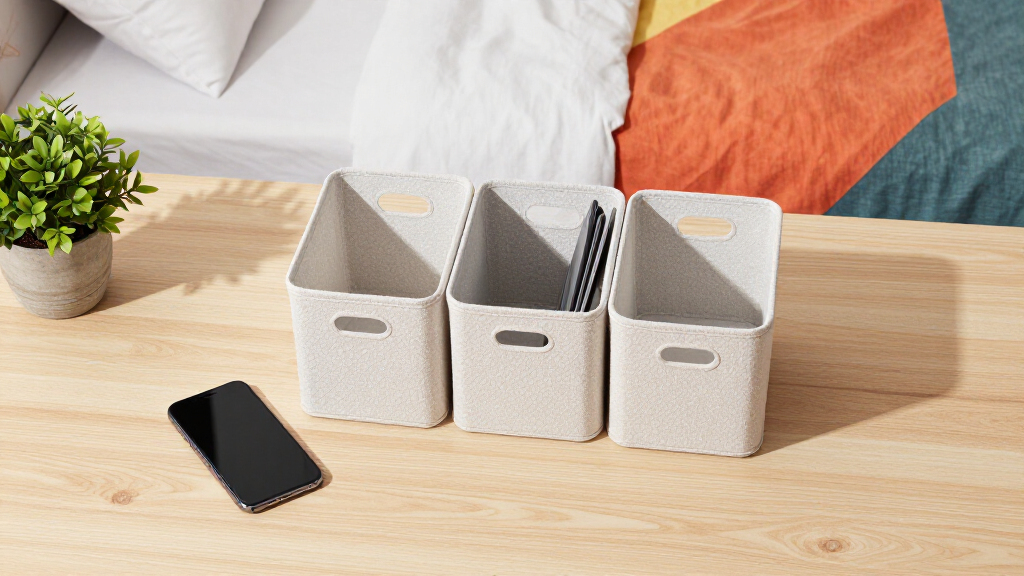
Reserve labeled containers for linens, seasonal clothing, and supplies that are not needed every day.
Choose dual-purpose pieces
Storage ottomans and furniture with drawers add capacity without consuming space for a single function.
Clean what hands touch most.
High-touch areas collect germs quickly in shared housing. Agree on personal, shared, and off-limits zones with your roommate, keep supplies accessible, and rotate responsibility for shared surfaces.
Clean first
Remove visible dirt, crumbs, grease, and debris with an appropriate cleaner or dish soap.
Disinfect second
Apply disinfectant to the cleaned surface and observe the label’s stated wet contact time.
Remove the cause, then finish in stages.
Fragrance only masks problems. Food residue, damp fabric, trash, and poor airflow must be corrected at the source. For move-out, begin several weeks early so decluttering, packing, and cleaning remain separate tasks.
Edit belongings
Donate, recycle, discard, or return home anything no longer needed.
Pack by category
Box nonessentials first and label contents and destinations clearly.
Clean by zone
Finish the bed, desk, wardrobe, food station, bathroom, and entry.
Inspect and exit
Remove trash, check hidden spaces, photograph condition, and follow housing rules.
How to Build a Simple Daily Cleaning Routine that Works
Starting small is key. A quick daily cleanup prevents messes from snowballing. Spend 5–10 minutes each day on quick tasks like making your bed, putting clothes away, and wiping up spills.
For example, every morning, open your blinds and tidy the desk. At night, toss trash and straighten your bed. These little habits save time and effort later.
Stick to these daily tasks:
- Make the bed
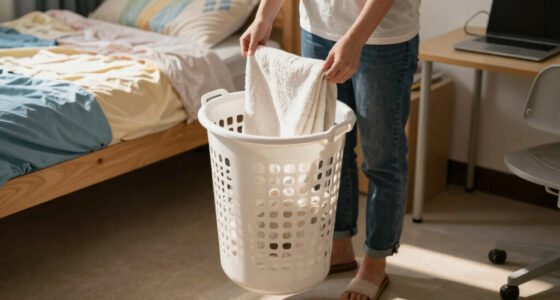
- Put dirty clothes in the hamper
- Wash dishes or food containers
- Wipe up fresh spills
- Reset your space for the next day
Popular right now

Dyson Car+Boat Cordless Handheld Vacuum

Shark Rocket Ultra-Light Corded Stick Vacuum, HV301, Gray/Orange

KitchenAid Classic Series 4.5-Quart Tilt-Head Stand Mixer, Onyx Black
As an affiliate, we earn on qualifying purchases.
Weekly Deep Clean Tips to Keep Your Dorm Fresh
Once a week, dedicate 20–40 minutes for a deeper clean. Start by removing trash, then dust shelves, wipe surfaces, and vacuum floors—even under furniture.
Why does this matter? Regular deep cleaning prevents the buildup of dust, dirt, and allergens that can cause health issues or trigger allergies. It also breaks the cycle of odors and pest attraction by removing hidden food particles and debris. If neglected, these issues can escalate, leading to more extensive and costly problems. For example, neglecting weekly vacuuming can allow dust mites and allergens to accumulate, impacting your health and comfort. A consistent schedule keeps your space healthier and more inviting, making it easier to maintain overall cleanliness and reduce stress.
Key areas to focus on:
- Trash & recycling
- Surfaces & shelves
- Floors & vents
- Kitchen appliances
- Shared bathroom fixtures
Keeping to this schedule makes cleaning less daunting and your room more inviting.
How to Declutter Your Dorm with Easy Methods
Decluttering isn’t about tossing everything out; it’s about making space for what matters. Use simple methods like the four-destination sort: keep, donate, relocate, or discard.
Why is this effective? Because clutter often accumulates gradually, and without intentional decisions, it can quickly take over your space. The four-destination method forces you to evaluate each item’s true value and function, reducing unnecessary possessions. For instance, when your closet gets crowded, set a timer for 20 minutes and sort clothes into these categories. Anything unworn in the last six months? Donate or pack it away at home. This process not only frees up space but also helps you reflect on your habits—are you holding onto items you no longer need? Additionally, strategies like the one-in, one-out rule encourage ongoing control, preventing clutter from creeping back. Regularly reassessing belongings through semester checkpoints ensures you maintain a manageable, clutter-free environment, which reduces stress and saves time spent searching for items.
These methods help you develop a mindful approach to possessions, making it easier to keep your dorm organized and functional.
Storage Hacks to Maximize Your Tiny Space
Smart storage is your best friend in a dorm. Think vertical, under-bed, and multi-purpose furniture. For example, use under-bed containers to store seasonal clothes or extra linens.
Label everything clearly—bins, drawers, shelves—so you know where everything belongs. Avoid buying new organizers before you know what will stay long-term.
Why does this matter? Because maximizing your limited space isn’t just about fitting things in; it’s about creating a system that makes your space functional and easy to maintain. Vertical shelving uses wall space that often goes unused, allowing you to keep books, supplies, or decorative items off your desk and floor. Under-bed containers help you store seasonal or rarely used items out of sight, reducing clutter. Clear labeling prevents chaos when searching for essentials and saves time. Choosing multi-purpose furniture, like a storage ottoman or bed with drawers, combines function with space-saving design. These strategies help you avoid clutter buildup, keep your room organized, and make daily routines smoother.
For example, a well-labeled set of containers under your bed can hold seasonal clothing, freeing up closet space for everyday wear. Additionally, using door hooks and over-the-door organizers adds storage without sacrificing valuable floor space, making your room more livable and less cluttered.
How to Keep Shared Surfaces and High-Touch Areas Clean & Safe
Shared surfaces like doorknobs, switches, and keyboards gather germs fast. Regular cleaning prevents illness and odors. Wipe these daily with disinfectant wipes or spray.
Why is this important? Because high-touch areas are common vectors for germs and bacteria, especially in shared living spaces. Neglecting these surfaces can lead to the spread of colds, flu, or other illnesses, which can disrupt your college routine and affect your health. Daily disinfecting reduces the microbial load significantly, lowering the risk of infection. For example, after cooking or using the bathroom, wiping down the faucet handles and light switches minimizes bacterial transfer. Keep a small disinfectant spray and cloth in your desk drawer for quick access, ensuring you can maintain cleanliness throughout the day. Establishing a roommate pact—clean high-touch areas daily and rotate responsibilities—creates a shared sense of responsibility and normalizes hygiene routines. This simple yet effective habit keeps everyone healthier and your shared space safer.
How to Control Odors & Prevent Pests in Your Dorm
Odors and pests thrive in damp, cluttered spaces with food residue. Keep your room smelling fresh by removing spoiled food, drying towels promptly, and cleaning spills immediately.
Why does this matter? Because odors and pests are not just nuisances—they can pose health risks and create an uncomfortable environment. Leftover food, if not stored properly, attracts pests like ants or cockroaches, which can quickly become a bigger problem. Moisture from damp towels or spilled liquids promotes mold growth and attracts insects. Regularly removing spoiled food and wiping down surfaces prevents these issues before they escalate. Using sealed containers for food and taking out trash frequently cuts off pest attractants. Proper ventilation, such as opening windows or using fans, helps reduce humidity and mold growth. Addressing leaks or moisture issues immediately prevents long-term damage and pest infestations. These small, consistent habits are crucial for maintaining a fresh, pest-free, and healthy dorm environment, ensuring your space remains comfortable and safe.
How to Prepare Your Dorm for Move-Out Without Stress
Start decluttering early—several weeks before leaving. Donate items you won’t need and pack belongings by category. Doing this gradually makes the final cleaning easier.
Why is this effective? Because rushing at the last minute leads to stress, forgotten items, and overlooked cleaning tasks. When you start early, you can thoughtfully decide what to keep and what to donate, avoiding the burden of last-minute packing. For example, packing seasonal clothes and unused supplies into labeled boxes reduces clutter and simplifies unpacking later. Clearing your desk and closet first creates a visual sense of progress and reduces overwhelm. During the last week, focus on cleaning surfaces, floors, and appliances thoroughly. Creating a detailed checklist—wiping down surfaces, vacuuming, cleaning the bathroom, and removing trash—ensures nothing is missed. Reporting maintenance issues like leaks or mold before leaving prevents disputes and potential charges. This staged approach minimizes last-minute chaos, makes cleaning more manageable, and leaves your space in top shape for inspection, giving you peace of mind and saving effort.
Frequently Asked Questions
How often should I clean my dorm room?
Complete a quick reset daily, with weekly deep cleaning of surfaces and floors. Every month or seasonally, do a thorough declutter and appliance clean to keep odors and pests at bay.
What are the must-have cleaning supplies for a dorm?
A microfiber cloth, mild cleaner, disinfectant, small vacuum or broom, dish soap, laundry detergent, and trash bags cover most needs. Use disinfectant on high-touch areas daily.
How do I clean my electronics safely?
Turn devices off, spray a small amount of cleaner onto a microfiber cloth, and wipe gently. Avoid spraying directly onto electronics and never use harsh chemicals that could damage screens.
What should I do if I find mold or pests?
Report serious issues to housing staff immediately. For minor mold spots, clean with approved products and improve ventilation. Address leaks or moisture problems promptly.
How can I prevent odors naturally?
Remove spoiled food regularly, dry towels completely, and clean spills immediately. Keep windows open when possible and use sealed containers for food to keep your room smelling fresh.
Conclusion
Keeping a dorm room tidy isn’t about perfection; it’s about consistency and smart choices. Small daily habits, regular decluttering, and strategic storage turn chaos into calm.
Remember, a clean space isn’t just prettier—it’s healthier, safer, and more comfortable. Start today, and watch your tiny dorm transform into a space you actually enjoy living in.