
TL;DR

Prime made for students and young adults
- Fast, free delivery for dorm and study essentials
- Prime Video and Amazon Music included
- Member-only deals
A regular dorm room maintenance routine involves weekly cleaning, organization, air quality checks, and safety checks. Small, consistent efforts prevent clutter, odors, and pests, making your space more comfortable and healthier over time.
A weekly cleaning schedule prevents dirt buildup and keeps your room smelling fresh.
Using vertical storage and labeling helps maximize limited space and keeps clutter manageable.
Regular safety checks on smoke detectors and cords prevent hazards and provide peace of mind.
Improving air quality with open windows, purifiers, and plants boosts both comfort and health.
Embracing eco-friendly products and smart devices makes maintenance easier and more sustainable.
How to Clean Your Dorm Room Without Losing Your Mind
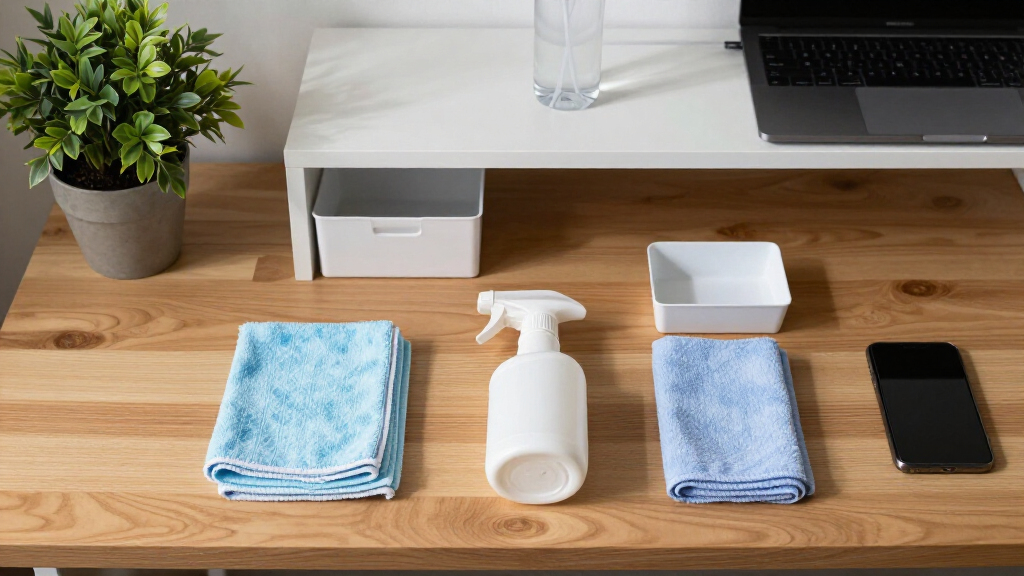
Cleaning your dorm regularly is the key to long-term comfort. Aim for at least once a week. Pick a day that works for you—Sunday evenings or Saturday mornings are popular choices. Focus on dusting surfaces, vacuuming or sweeping the floor, and wiping down your desk and electronics. Imagine the rich, dark aroma of vinegar and lemon as you wipe down your desk — a simple step that keeps germs and dust at bay.
Here’s a quick cleaning checklist:
- Dust all surfaces, including shelves and electronics
- Vacuum or sweep the floor
- Wipe down your desk, nightstand, and shared spaces
- Manage trash and recycling to prevent odors and pests
For example, if you spill coffee on your desk or notice dust on your keyboard, clean it immediately. Small, regular cleanups prevent dirt from becoming a bigger chore later.
Popular right now

Dyson Car+Boat Cordless Handheld Vacuum

Shark Rocket Ultra-Light Corded Stick Vacuum, HV301, Gray/Orange

KitchenAid Classic Series 4.5-Quart Tilt-Head Stand Mixer, Onyx Black
As an affiliate, we earn on qualifying purchases.
Keep Clutter Out of Sight (and Mind): Organize Like a Pro
Staying organized in a small dorm room feels like a constant battle against clutter. Regularly sorting through your belongings is crucial because clutter isn’t just about mess — it impacts your mental clarity and stress levels. When your space is cluttered, it’s harder to focus, relax, or find what you need quickly, which can lead to frustration. Using under-bed storage bins, wall-mounted shelves, and multi-purpose furniture isn’t just space-saving; it’s a way to create a calming environment where everything has a place. Think of your room as a tiny apartment — every inch counts. For example, a 12-gallon under-bed storage bin can hold seasonal clothes, freeing up closet space and reducing the mental load of clutter.
Here’s a simple organization tip:
- Schedule a 10-minute declutter session once a week to reassess and tidy
- Keep essentials within arm’s reach for daily convenience
- Use labels on bins and drawers for quick access and to develop routines
Decluttering isn’t just about tidiness; it’s a powerful mental health strategy. A cluttered space can subconsciously increase feelings of anxiety and overwhelm because it signals chaos and lack of control. Conversely, a tidy room fosters a sense of order, calm, and readiness to focus on your studies or relax. Regular organization routines help you avoid the stress of last-minute cleanups before visitors or exams, turning your room into a retreat rather than a source of anxiety.
Breath Easy: Improve Air Quality and Ventilation
Good air quality is vital for long-term comfort and health in a dorm. Dorm rooms tend to trap dust, odors, and allergens, which can lead to respiratory issues, allergies, or simply a feeling of stuffiness. Opening your window daily, if rules permit, isn’t just about fresh air — it’s about diluting indoor pollutants that accumulate from cooking, cleaning, and everyday activities. Using a small air purifier (around 4x4x8 inches, roughly $50) can significantly reduce airborne dust, germs, and VOCs, especially in rooms with limited ventilation. Adding houseplants like pothos or snake plants doesn’t just add a touch of nature; they naturally filter toxins and help balance humidity, which can prevent mold and dry skin. Understanding these elements helps you create a healthier living environment that supports your well-being.
Here’s a quick checklist for better air:
- Open windows for 10-15 minutes daily to exchange stale indoor air
- Use an air purifier if possible, especially in rooms with poor ventilation
- Monitor humidity levels, aiming for 30-50%, to prevent mold and dry air
Maintaining good air quality is crucial because stagnant air can harbor allergens and bacteria that affect your respiratory health. Poor ventilation can lead to increased susceptibility to colds and allergies, which not only make you uncomfortable but also impact your academic performance. Incorporating simple measures like opening windows and using purifiers can significantly improve your health. Additionally, balancing humidity prevents mold growth and keeps your skin from drying out, creating a more comfortable and safe environment that promotes better sleep, focus, and overall wellness.
Frequently Asked Questions
How often should I clean my dorm room?
Aim for at least once a week for general cleaning, with deeper cleans monthly. Regular upkeep prevents dust, odors, and clutter from piling up, making your space more comfortable and hygienic.
What are the best cleaning products for dorm rooms?
Use non-toxic, multi-surface cleaners, disinfectant wipes, and natural options like vinegar and baking soda. These are safe, affordable, and effective for small spaces.
How can I keep my dorm organized with limited space?
Vertical storage, under-bed bins, and multi-purpose furniture help maximize your space. Regular decluttering keeps your room feeling open and reduces stress.
What are some tips for maintaining good air quality?
Open windows daily, use an air purifier if allowed, and add houseplants to filter toxins and improve humidity. Good air means better sleep and fewer allergies.
How do I prevent pests in my dorm room?
Keep food sealed, dispose of trash regularly, and wipe down surfaces often. Small habits make a big difference in avoiding unwanted guests.
Conclusion
A simple, consistent dorm room routine transforms your space from a cluttered corner into a sanctuary. It’s about small daily and weekly habits that add up to long-term comfort. Keep it manageable — your future self will thank you with a peaceful, healthier living space.Imagine walking into a room that feels fresh, organized, and safe — that’s the power of a good routine. Start today. Your comfort depends on it.