
TL;DR
Get ready for Prime Big Deal Days — try Prime free
Exclusive member deals on October 6–7, plus fast free delivery. Cancel anytime.
Start your free trialAs an affiliate, we earn on qualifying purchases.
Efficient unloading and organization start with pre-planning and prioritizing essentials. Use vertical space, smart storage, and decluttering to maximize a small dorm room. Early setup reduces stress and keeps your space tidy all semester.
Pre-plan your layout and essentials to save time during move-in.
Use vertical space and multi-purpose furniture to maximize small rooms.
Declutter immediately to keep your dorm room tidy and functional.
Create dedicated zones for study, sleep, and storage to boost efficiency.
Develop simple weekly routines to maintain your organized space.
Start with a Clear Plan: Your Move-In Blueprint
Before you even load the car, make a detailed checklist of essentials. Know your room dimensions—most dorms are around 8×10 feet—and plan where everything will go. Use a simple floor plan to map out bed, desk, and storage spots. This saves you from stacking boxes randomly and helps you prioritize what to unload first.
For example, set aside your bedding, toiletries, and clothes for quick access. Visualizing your space — a well-thought-out plan — not only speeds up the move-in process but also helps you avoid last-minute rearrangements that can cause chaos. It ensures you don’t forget critical items and allows you to allocate space efficiently, which is especially important when space is limited.
As an affiliate, we earn on qualifying purchases.
Unload Smart: Prioritize Essentials and Enlist Help
When you arrive, focus on the essentials first. Clothes, bedding, toiletries — these are your top priority because they are needed immediately for comfort and hygiene. Unloading heavy or bulky items with friends or family not only speeds up the process but also reduces the risk of injury. Using a simple 3-step process helps streamline your move-in:
- Bring in essentials first, setting them aside in designated areas.
- Unpack and set up your bed and study area immediately to create a comfortable base.
- Gradually bring in the rest of your belongings, unpacking and organizing as you go to prevent clutter from accumulating.
This method ensures your room remains functional from the start, which is crucial for adapting quickly to your new environment. It also minimizes the overwhelm of trying to do everything at once, allowing you to establish a sense of order early on, which can positively impact your mental state and productivity.
As an affiliate, we earn on qualifying purchases.
Use Vertical Space and Multi-Functional Storage
Maximizing every inch of your small dorm room is essential, but it’s more than just an organizational tip — it’s about creating a livable, efficient environment. Vertical space solutions like wall-mounted shelves and hooks serve a dual purpose: they free up precious floor space and keep frequently used items accessible. For example, installing a sturdy pegboard for supplies or hanging hooks for backpacks and jackets keeps clutter off your desk and chair.
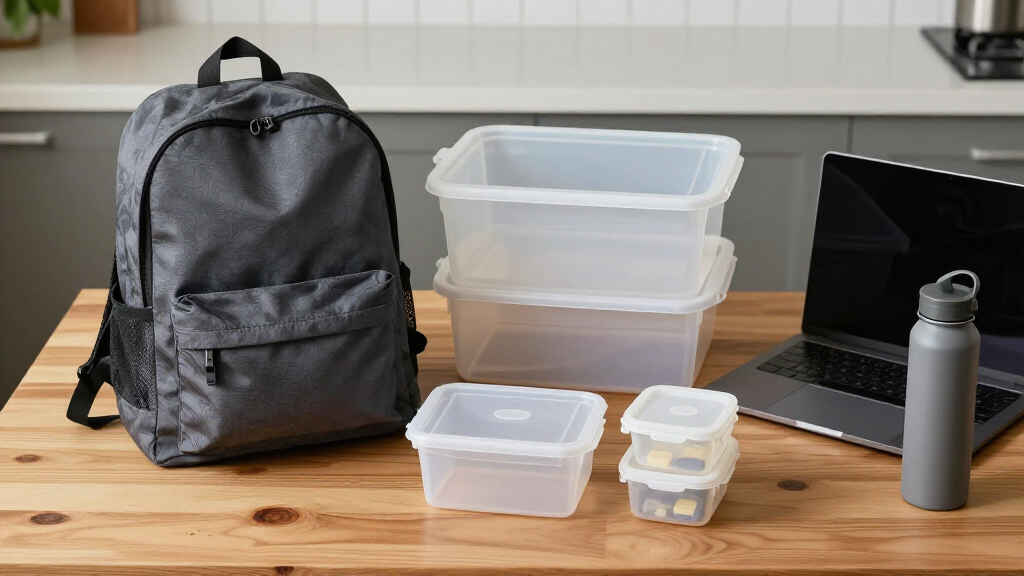
Under-bed storage bins, such as the Sterilite 6 Quart (measuring about 12″ x 8″ x 6″), are excellent for stashing out-of-season clothes or extra supplies. They are easy to slide in and out, making it simple to access items without disturbing your entire setup. Using multi-purpose furniture, like beds with built-in drawers or storage ottomans, helps you combine functionality with space-saving design. This approach is not just about fitting more stuff — it’s about creating a room that feels open, organized, and adaptable to your needs. Recent studies show that these vertical and multi-purpose solutions can add up to 20-30% more usable space, which is a game-changer in small dorm rooms, enabling you to maintain a clutter-free environment and improve overall comfort and efficiency.
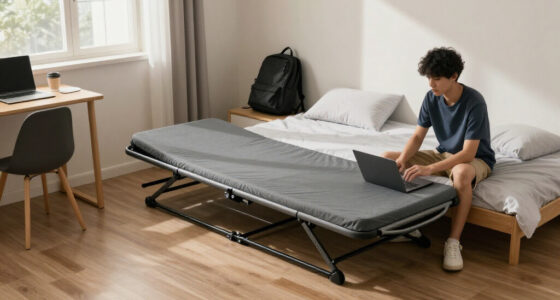
multi-purpose storage furniture for dorms
As an affiliate, we earn on qualifying purchases.
As an affiliate, we earn on qualifying purchases.
Declutter Immediately: Keep Only What You Need
As you unpack, it’s important to be selective and discerning about what stays. Holding onto items you no longer use or need can quickly turn your dorm into a cluttered mess, making it harder to find what’s essential and increasing cleaning time. Be ruthless—if an item doesn’t serve a clear purpose or hasn’t been used in the last few months, consider donating or discarding it. Having a designated box for donations or trash helps streamline this process and keeps it organized.
This decluttering step is crucial because clutter not only hampers your ability to focus but also contributes to stress and anxiety. A tidy environment fosters better mental clarity and allows you to maintain a more manageable space throughout the semester. For example, if you find five pens but only use one, donating the extras reduces clutter and prevents accumulation of unnecessary items. Making decluttering a regular habit—like every time you unpack or weekly—ensures your space remains functional and inviting, setting a foundation for a productive and peaceful college experience.
vertical storage solutions for small rooms
As an affiliate, we earn on qualifying purchases.
As an affiliate, we earn on qualifying purchases.
Create Zones for Study, Sleep, and Storage
Designating specific zones within your dorm room isn’t just about aesthetics — it’s about optimizing your mental and physical space for productivity and relaxation. By clearly separating areas for studying, sleeping, and storage, you reduce distractions and make it easier to switch between tasks. For example, keep your desk dedicated solely to work, with organized supplies within reach via baskets or drawer dividers. Your bed should be a restful area, free of clutter, which helps signal your brain that it’s time to relax.
Using labeled bins or small containers within each zone keeps supplies organized and prevents clutter from spilling over. This zoning approach also helps you develop routines—knowing exactly where everything belongs reduces the mental load of searching for items and makes tidying up quicker. In the long run, these zones foster better habits, improve your focus, and create a sense of order that can carry over into your daily life, ultimately making your dorm feel like a well-functioning home.
Safety First: Keep Your Space Safe and Accessible
Creating a safe dorm environment isn’t just about avoiding accidents — it’s about establishing a space that supports your well-being through thoughtful organization. Placing heavier items on lower shelves or under the bed reduces the risk of falling objects or injuries during movement. Managing cords with clips, zip ties, or cord covers prevents tripping hazards and protects your electronics from damage. Clear pathways allow for quick exits in case of emergencies and make daily movement easier and safer.
Overloading outlets or stacking items precariously can lead to electrical hazards or items falling, which could cause injuries or damage. Use cable organizers to keep chargers and extension cords neat, and regularly check that pathways are unobstructed. By prioritizing safety, you not only protect yourself but also create a more comfortable and stress-free environment, allowing you to focus on your studies and enjoy your new space without constant worry about hazards.
Stay Organized All Semester: Easy Maintenance Tips
Maintaining an organized dorm room throughout the semester requires consistent effort. Developing a quick weekly cleaning routine—spending just 10 minutes each week—can prevent clutter from accumulating and keep your space feeling fresh. Reassessing your storage solutions monthly allows you to adapt to changing needs and optimize space. Using labels on bins and drawers helps you quickly locate items, reducing the temptation to create clutter in search of misplaced supplies.
Small habits, like dedicating five minutes every Sunday evening to put things back in their designated spots and tidy your desk, can make a significant difference. This routine not only keeps your space clean but also fosters a sense of control and calm. Over time, these simple practices become second nature, making it easier to sustain an organized environment and focus on your studies, social life, and self-care without feeling overwhelmed by mess or chaos.
Frequently Asked Questions
How do I quickly set up my dorm room on move-in day?
Focus on unpacking essentials first—bed, clothing, toiletries—and set up your bed and study area immediately. Enlist friends to help carry heavy items and follow your pre-made plan for a smooth setup.What are the best storage options for small dorm rooms?
Use under-bed storage bins, wall-mounted shelves, and over-the-door organizers. Opt for multi-purpose furniture like beds with built-in drawers to maximize every inch of space.How can I keep my dorm organized throughout the year?
Maintain a weekly cleaning routine, label storage bins, and reassess your setup monthly. Small daily habits like putting things back immediately can prevent clutter from piling up.Are eco-friendly storage options available for dorm supplies?
Yes. Look for biodegradable bins, reusable containers, and sustainably sourced shelving. Many brands now offer eco-friendly options that help you stay green while staying organized.What’s the one mistake to avoid when unpacking in a small dorm?
Overpacking and not planning your space. It leads to clutter and chaos. Stick to essentials, use vertical storage, and keep pathways clear for safety and ease of movement.Conclusion
Your dorm room is your new home — it should be functional, safe, and inviting. Starting with a solid plan and smart storage set the tone for a stress-free semester. Remember: a little prep now saves hours of frustration later. Turn chaos into calm, and make your space a place you want to be.NFL season / tailgating Picks
team gear
As an affiliate, we earn on qualifying purchases.