
TL;DR
Prime for Young Adults — start your free trial
Fast free delivery, streaming and member deals for eligible 18–24 year olds.
Try it freeAs an affiliate, we earn on qualifying purchases.
Meal prepping on a budget in dorms is all about simple recipes, smart shopping, and efficient storage. Focus on affordable ingredients like rice, eggs, and frozen veggies, and plan ahead to save time and money.
Plan meals around affordable staples like rice, beans, and frozen vegetables to cut costs by over 30%.
Choose simple recipes that can be cooked in a microwave or assembled cold—saving time and equipment.
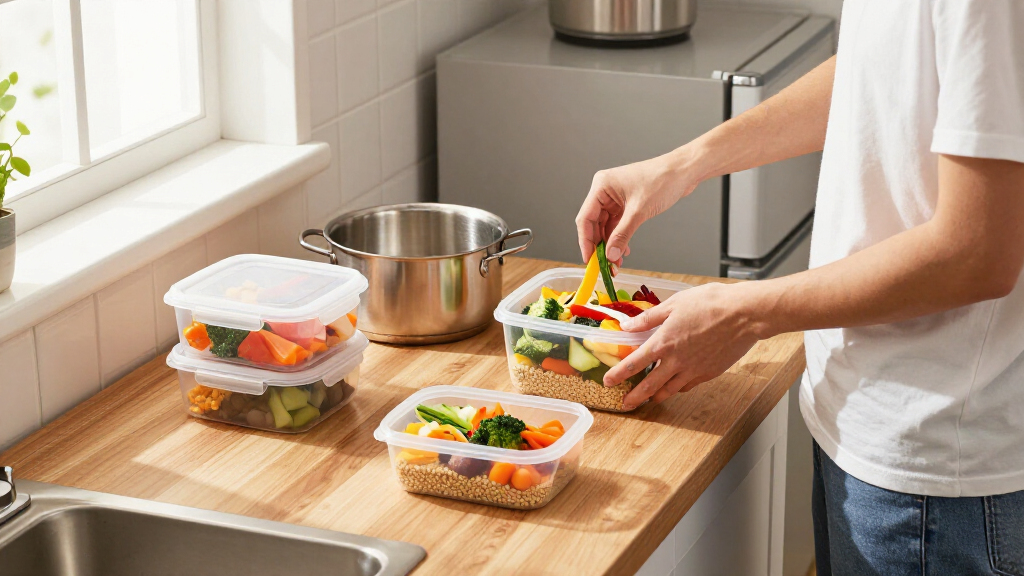
Use small, airtight containers to store meals safely and keep leftovers fresh longer.
Batch prep on weekends. Portion meals into containers to save time during busy weekdays.
Incorporate nutritious ingredients like frozen spinach and canned beans without blowing your budget.
Budget-Friendly Meal Prep for Dorm Living
Turn a tiny fridge, a microwave, and a tight student budget into a practical food system. Build meals around inexpensive staples, prep in short batches, and keep breakfast, lunch, and dinner under control for less than the cost of daily takeout.
The low-cost dorm pantry
Choose ingredients that work across several meals. The best staples are affordable, nutritious, easy to store, and flexible enough to prevent menu boredom.
Rice, oats & pasta
A roughly $2 bag of rice can become bowls, burritos, fried rice, or a side dish. Oats handle breakfast without cooking complexity.
Beans, eggs & lentils
Inexpensive protein and fiber improve fullness. Canned beans require almost no equipment; eggs work for breakfast, bowls, and wraps.
Frozen over fragile
Frozen spinach and mixed vegetables reduce spoilage, require no chopping, and let you use only the portion needed.
Bean & rice burrito
Combine rice, canned beans, tortillas, vegetables, and seasoning for a portable lunch with protein and fiber.
Overnight oats
Mix oats, milk, frozen fruit, and nuts in a jar. It is filling, inexpensive, and ready when an early lecture starts.
Simple stir-fry
Frozen vegetables, rice, and chicken thighs or tofu can yield four balanced meals under $3 each.
Where the budget works hardest
Prioritize ingredients by versatility, storage life, nutrition, and cost. Longer bars indicate stronger overall dorm value.
Planning meals around bulk staples such as rice, beans, and frozen vegetables can reduce weekly grocery spending by more than 30% while keeping ingredients useful across multiple recipes.
Microwave, hot plate, or no-cook?
Always check residence rules before buying an appliance. The best method is the one your dorm permits, your storage can support, and your schedule makes realistic.
| Method | Best for | Speed | Versatility | Watch-outs |
|---|---|---|---|---|
| Microwave | Reheating, steaming vegetables, instant grains | ✓ Fast | ~ Medium | Use microwave-safe containers; season after heating when needed. |
| Hot plate | Stir-fries, pasta, eggs, boiling water | ~ Moderate | ✓ High | May be prohibited; needs ventilation, space, and close attention. |
| No-cook | Wraps, salads, overnight oats, cold bowls | ✓ Fastest | ~ Medium | ✗ Limited warmth and dependent on ready-to-eat foods. |
Plan once, eat all week
A repeatable routine saves more than a complicated recipe collection. Prep only three to five days at a time so food stays appealing and the shared fridge remains manageable.
Check
Review dorm rules, fridge space, pantry stock, sales, and your actual weekly schedule.
Plan
Pick two versatile mains and one breakfast built from overlapping ingredients.
Shop
Use a strict list, compare unit prices, buy stable staples in bulk, and skip impulse snacks.
Batch
Cook grains and protein together, portion meals, cool safely, then label each container.
Remix
Turn leftovers into wraps, salads, bowls, or fried rice before buying more food.
Small fridge, smart system
Space efficiency matters, but food safety matters more. Store perishables promptly and avoid making more food than you can safely chill.
Do this
- Use small airtight containers around 16 oz for stackable portions.
- Label every meal with its preparation date.
- Refrigerate or freeze promptly after cooking and cooling safely.
- Use insulated bags and ice packs when refrigeration is unavailable.
- Clean shared surfaces before and after preparation.
Avoid this
- Do not overbuy perishables that must be used within a few days.
- Do not overcrowd a shared refrigerator or block airflow.
- Do not leave cooked food out while studying or socializing.
- Do not use prohibited appliances or ignore shared-kitchen times.
- Do not rely on memory to judge when leftovers were prepared.
Upgrade the meal, not the bill
Build each meal from a grain, an affordable protein, vegetables, and flavor. Frozen produce, canned beans, eggs, herbs, and spices add lasting value without demanding more equipment.
Whole grains
Oats, brown rice, and whole-grain pasta provide steady fuel for lectures and long study sessions.
Eggs & legumes
A boiled egg or spoonful of beans increases protein and fullness without adding premium meat costs.
Frozen spinach
Stir it into rice, pasta, eggs, or soup for extra iron and fiber with little waste or preparation.
How to Plan Your Meals Without Breaking the Bank
Smart planning starts with knowing what ingredients are cheap, nutritious, and versatile. Focus on staples like rice, pasta, eggs, beans, and frozen vegetables. These items can form the base for dozens of meals without costing a fortune.
For example, a bag of rice (around $2 for 2 pounds) can be turned into fried rice, rice bowls, or stuffed peppers. Buying in bulk from warehouse stores or online can slash costs further. Plan your weekly menu around sales and seasonal produce, and avoid impulse buys that spike your budget.
Making a detailed shopping list based on your meal plan helps you stick to your budget and avoid unnecessary purchases. This discipline is crucial because it minimizes impulse buying, which often leads to wasted money on snacks or extras that don’t contribute to your nutritional goals or meal variety. Budgeting $50-$75 weekly is realistic if you prioritize these staples and shop smart. This approach not only saves money but also reduces decision fatigue, ensuring your meals are consistent and nutritious throughout the week.
As an affiliate, we earn on qualifying purchases.
Simple Recipes That Save Time and Money
In dorms, simplicity is key. Focus on recipes with 4-6 ingredients that can be cooked in a microwave, on a hot plate, or assembled cold. These recipes should be easy to prepare, require minimal equipment, and be adaptable to various tastes, ensuring you stay nourished without hassle.
Some go-to ideas include:
- Oatmeal with frozen berries and nuts: Cheap, filling, and quick. It provides fiber, antioxidants, and healthy fats, supporting sustained energy during long study sessions.
- Bean and rice burritos: Use canned beans and tortillas for a satisfying lunch. They offer protein and fiber, which are essential for maintaining energy and satiety, especially during busy days.
- Stir-fry: Frozen mixed vegetables with chicken thighs or tofu, cooked in a single pan. This method preserves nutrients and flavor while being quick and easy to clean up, saving time and effort.
- Overnight oats: Mix oats, milk, and fruit in a jar, ready to eat in the morning. This no-cook option is perfect for busy mornings and ensures a nutritious start to your day.
For instance, a stir-fry with frozen vegetables ($2/bag), rice ($2/2 lbs), and chicken ($4/lb) makes 4 meals at under $3 each, offering balanced nutrition while keeping costs low. These recipes emphasize efficiency and health, making them ideal for dorm living where time and space are limited.
affordable dorm room kitchen essentials
As an affiliate, we earn on qualifying purchases.
As an affiliate, we earn on qualifying purchases.
Dorm-Friendly Storage Solutions That Keep Food Fresh
Limited space means you need clever storage. Use small, airtight containers (around 16 oz) to portion out meals, which helps prevent spoilage and makes grabbing meals quick and convenient. Label everything with the date to ensure you consume food while it’s fresh, reducing waste and avoiding foodborne illnesses.
Refrigerate or freeze leftovers promptly because dorm refrigerators are often shared and small, which increases the risk of cross-contamination and spoilage if not managed carefully. Investing in a mini fridge (if allowed) or using insulated lunch bags with ice packs for perishable items can extend freshness and safety. These methods help you store prepared meals securely, maintain food quality, and minimize waste. For example, prepping five lunches in containers and freezing them ensures you always have ready-to-eat meals, saving time and reducing the temptation to eat out or buy expensive takeout during busy days.
small airtight food storage containers
As an affiliate, we earn on qualifying purchases.
As an affiliate, we earn on qualifying purchases.
Comparison: Microwave, Hot Plate, and No-Cook Meal Prep Options
| Method | Best For | Pros | Cons |
|---|---|---|---|
| Microwave | Reheating pre-cooked meals, steaming vegetables, cooking instant grains | Fast, widely available, easy to use, preserves moisture and nutrients when used properly | Limited to microwave-safe containers; some dishes may require additional prep or seasoning |
| Hot Plate | Boiling water, stir-fries, boiling eggs, simple pasta | More versatile than microwave alone, allows for more cooking techniques | Requires space, some cooking skill, and careful attention to avoid spills or burns |
| No-Cook | Salads, wraps, overnight oats, cold dishes | No appliances needed, quick prep, minimizes cleanup | Limited to cold or pre-cooked ingredients, may lack variety or warmth for some meals |
As an affiliate, we earn on qualifying purchases.
Top Tips to Save Money and Time on Meal Prep
- Buy in bulk whenever possible—think large bags of rice, beans, and frozen veggies. This reduces per-meal cost and minimizes shopping trips.
- Meal prep on weekends and portion out for the week to avoid daily cooking, which can be time-consuming and less efficient.
- Get creative with leftovers—turn roasted vegetables into wraps or salads, or use leftover rice for fried rice or rice bowls. This reduces waste and extends your ingredients’ utility.
- Use apps or spreadsheets to plan your shopping trips and track expenses. This helps you stay within budget, identify sales, and avoid impulse purchases.
- Invest in space-efficient, durable containers—these last longer, prevent leaks, and keep food secure, making storage and transport easier and more reliable.
How to Keep Your Meals Nutritious Without Spending More
Budget-friendly doesn’t mean sacrificing nutrition. Incorporate frozen vegetables, canned beans, and eggs—these are affordable, shelf-stable, and packed with nutrients essential for maintaining energy and overall health.
For example, stir-fried frozen spinach adds iron and fiber to your rice bowl without extra cost. Adding a boiled egg or a handful of nuts boosts protein and healthy fats, supporting muscle repair and brain function. Using herbs and spices enhances flavor without extra calories or expense, encouraging you to eat more vegetables and enjoy your meals.
Prioritizing nutrient-dense ingredients ensures your meals support your academic performance and overall well-being, even on a tight budget.
Common Pitfalls to Avoid When Meal Prepping in Dorms
Overbuying perishables is a quick way to waste money and space. Dorm refrigerators are often small and shared, so plan meals that use ingredients within 3-4 days and avoid stocking up excessively. This prevents spoilage and ensures freshness.
Neglecting food safety can lead to spoilage or illness. Always label your containers with the date and store perishable foods promptly in the refrigerator or freezer. This practice helps you stay aware of what’s safe to eat and reduces waste.
Don’t forget to check your dorm’s rules about cooking appliances and shared kitchen times. Respect communal spaces and clean up after yourself to maintain good relationships with roommates and avoid conflicts. Proper planning and respect for shared resources are essential for a smooth dorm cooking experience.
Frequently Asked Questions
How can I meal prep with limited kitchen equipment?
Focus on microwave-friendly recipes, no-cook meals like salads and overnight oats, and simple stovetop dishes if you have a hot plate. Keep ingredients versatile and prep in advance.What are some cheap, healthy meal ideas for dorm living?
Opt for oatmeal with fruit, bean and rice burritos, frozen veggie stir-fries, and salads with canned beans. These are nutritious, filling, and easy to make with minimal tools.How do I store meals safely in a dorm room?
Use small, airtight containers labeled with dates. Keep perishables refrigerated or frozen, and consider insulated bags with ice packs for extra safety. Proper storage prevents spoilage and waste.How can I save money on groceries?
Buy in bulk, shop sales and seasonal produce, use coupons, and plan meals around what’s discounted. Avoid impulse buys to stay within your budget.What are quick tips for busy students?
Batch cook on weekends, prep ingredients in advance, and choose recipes that require minimal cooking time. This keeps your meals simple and stress-free.Conclusion
Mastering budget-friendly meal prep in a dorm means thinking creatively, planning ahead, and sticking to simple ingredients. Your tiny fridge and microwave can be your best allies for nourishing, affordable meals that keep you energized for classes and beyond. Remember, a little prep today makes for stress-free, tasty days ahead.Flea & tick season Picks
flea and tick prevention
As an affiliate, we earn on qualifying purchases.