TL;DR
Play games included with Prime
Start a Prime free trial and play with Amazon Luna on your devices.
Start playingAs an affiliate, we earn on qualifying purchases.
Many small appliances like mini-fridges, microwaves, and coffee makers are generally allowed in dorms if they meet safety and wattage rules. Always check your school’s policy first to avoid confiscation or fines. This guide highlights what’s usually permitted and how to choose dorm-safe gear.
Imagine this: you walk into your dorm room, and your tiny kitchen setup is ready to roll. But before you start packing appliances, here’s the truth—most schools have clear rules about what’s allowed, mainly to keep everyone safe. You can’t just bring a hot plate or a space heater without risking confiscation or even fines.
This guide cuts through the confusion. You’ll learn which small appliances are usually allowed, what safety features matter most, and how to avoid common pitfalls. Think of it as your cheat sheet for building a dorm room that’s both functional and compliant.
Always verify your school’s specific appliance policies before buying or bringing items.
Opt for appliances with safety features like auto shut-off, UL/ETL certification, and concealed heating elements.
Keep wattage under the typical 1,000–1,500W limit to avoid circuit overloads.
Use compact models to fit dorm space, and consider Energy Star-rated mini-fridges to save energy and stay compliant.
Gray areas like air fryers and toaster ovens are risky; check with your housing office before bringing them.
Best Small Appliances That Are Usually Dorm Permitted
Mini-fridges, microwaves, and coffee makers are generally allowed in dorms if they meet safety and wattage rules. This guide cuts through the confusion — what’s typically permitted, which safety features matter most, and how to avoid confiscation or fines. Always check your school’s policy first.
Nearly all colleges specify wattage limits to protect aging dorm circuits from overloads.
Safety listing is often written directly into housing policies — check for the mark.
Compact, Energy Star-rated fridges are almost universally permitted.
What You Can Count On — and What’s a Gamble
Most dorms permit appliances with enclosed heating elements, auto shut-off, and low wattage. Hot surfaces and open coils are the dealbreakers. Here’s the quick rundown of what’s typically permitted:
| Appliance | Usually Allowed? | Common Restrictions |
|---|---|---|
| Mini-fridge | ✓ Yes | Under 4.5 cu ft, Energy Star rated |
| Microwave | ✓ Yes | 700–900W; common areas only at stricter schools |
| Single-serve coffee maker | ✓ Yes | Auto shut-off required |
| Personal blender | ✓ Yes | Personal size, low wattage, quiet motor preferred |
| Rice cooker | ✓ Usually | Enclosed element; pressure-cook functions may be restricted |
| Electric kettle | ~ Usually | Concealed element + auto shut-off; some schools ban outright |
| Fans (box, tower, clip-on) | ✓ Yes | Roommate consideration for noise |
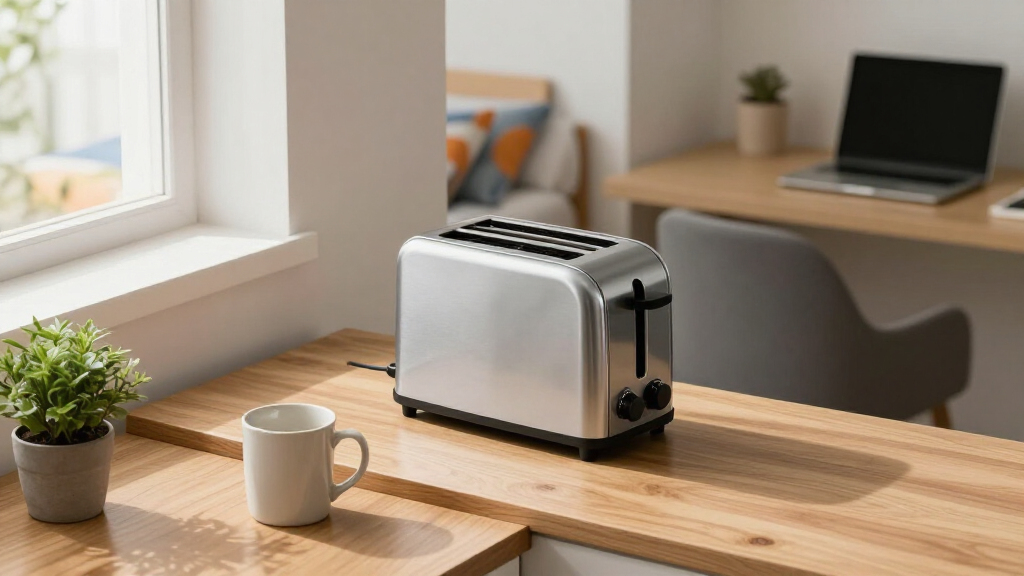
| Toaster oven | ~ Varies | Often banned for exposed hot surfaces |
| Air fryer | ✗ Increasingly banned | Fire risk, smoke-alarm incidents driving crackdowns |
| Hot plate / space heater | ✗ No | Nearly universal bans — exposed heating coils |
Typical Wattage vs. the Dorm Circuit Cap
Why the rules exist: a 1,500W appliance plus a microwave on one circuit trips breakers in older dorms. Keep every device comfortably under the typical 1,000–1,500W cap.
How to Pick the Safest, Most Dorm-Friendly Appliance
Safety features matter more than size or brand — they act as a buffer during late-night study sessions when mishaps happen.
Check the Policy
Read your school’s residence life policy online or contact housing staff before buying anything. Rules vary by school — and sometimes by building.
Look for UL / ETL
These marks mean the appliance passed rigorous safety testing with built-in protections — and they’re often required in writing by housing policies.
Demand Safeguards
Auto shut-off, concealed heating elements, and cool-touch exteriors guard against overheating, fires, and burns when you’re distracted.
Stay Under the Cap
Stick to the typical 1,000–1,500W limit to avoid tripping breakers on old dorm wiring — a 700W compact UL-certified microwave is a safe bet.
Measure Twice
Dorm desks are tiny — choose compact footprints. Quiet fans and low-vibration blenders keep your roommate on your side.
Time the Sales
Compare prices during back-to-school sales in July–August, Prime Day, and Black Friday. Consider Energy Star fridges to save energy and stay compliant.
From Purchase to Plug-In, the Safe Path
Follow this chain and your setup survives move-in inspection without surprises.
Read the Handbook
Check the residence life policy or housing website for the permitted/prohibited list.
Verify UL / ETL
Confirm the certification mark plus auto shut-off and concealed elements.
Check Wattage
Keep each device under the 1,000–1,500W cap; use a UL-listed surge protector.
Ask About Gray Areas
Air fryer? Toaster oven? Kettle? Email the housing office before you pack.
Pass Inspection
RAs do inspect. Compliant gear means no confiscation, no fines, no referrals.
The Gray-Area Warning: Air Fryers & Toaster Ovens
Following dorm fires and smoke-alarm incidents at various universities, a growing number of schools have explicitly added air fryers to prohibited lists. A single incident can mean confiscation, fines, or disciplinary action. The safer play: microwave-safe steamers and rice cookers — enclosed elements, no hot surfaces, and generally permitted. Real food, zero risk to your deposit.
Frequently Asked Questions
The questions every student asks before move-in day.
Are air fryers allowed in dorms?
It depends on your school. Many universities have started banning them after fire and smoke-alarm reports. Always check your residence life policy first.
Can I have a Keurig or coffee maker?
Usually yes, if it has auto shut-off and a concealed heating element. Reusable pods are a good eco-friendly option that’s often permitted too.
Are electric kettles allowed?
Often yes — especially models with concealed elements and auto shut-off. But some schools ban them outright, so double-check first.
What size mini-fridge is permitted?
Most schools cap fridges at under 4.5 cubic feet. Check your residence policy for the specific size limit to avoid confiscation.
What happens if I bring a banned appliance?
Confiscation, fines, or even conduct referrals. RAs inspect at move-in — verify the rules beforehand to avoid surprises.
Should I rent a MicroFridge instead?
Many campuses contract with rental vendors for combined microwave-fridge units certified for their circuits — buying separately can be non-compliant or redundant.
What appliances are usually allowed? Here’s the list you can count on
Most dorms permit appliances with enclosed heating elements, auto shut-off, and low wattage. Think: mini-fridges, microwaves, coffee makers, and personal blenders. These items are considered safe because they minimize fire risk and won’t overload old wiring.
For example, a typical mini-fridge under 4.5 cubic feet is almost universally permitted, especially when Energy Star-rated. Microwaves around 700–900W are common, and single-serve coffee makers like Keurig machines with auto shut-off are usually okay too.
However, gray areas exist—air fryers, toaster ovens, and pressure cookers are sometimes banned due to hot surfaces or fire hazards. Always check your specific school’s policies, but here’s a quick rundown of what’s typically permitted:
As an affiliate, we earn on qualifying purchases.
The ultimate dorm appliance compatibility chart
| Appliance | Usually Allowed? | Common Restrictions |
|---|---|---|
| Mini-fridge | Yes | Under 4.5 cu ft, Energy Star rated |
| Microwave | Yes | 700–900W, often in common areas at stricter schools |
| Single-serve coffee maker | Yes | Auto shut-off required |
| Toaster oven | Varies | Often banned for hot surfaces |
| Air fryer | Increasingly banned | Fire risk, smoke alarms |
| Rice cooker | Usually | Enclosed heating element, no pressure cooking |
| Blender | Yes | Personal size, low wattage |
| Fans | Yes | Roommate consideration for noise |
As an affiliate, we earn on qualifying purchases.
How to pick the safest, most dorm-friendly appliance
- Check your school’s residence life policy online or contact housing staff.
- Look for UL or ETL certification—these safety labels are often required.
- Choose models with auto shut-off and concealed heating elements.
- Stick to wattage limits—most schools cap around 1,000–1,500W.
- Measure your space: dorm desks are tiny, so opt for compact models.
- Be mindful of noise—quiet fans and low-vibration blenders are a plus.
- Compare prices, especially during back-to-school sales in July or Black Friday.
For example, a 700W microwave with a sleek, compact design and UL certification is usually a safe bet. Or, a personal blender with a quiet motor can blend smoothies without waking the entire floor.
As an affiliate, we earn on qualifying purchases.
Gray-area appliances: what to do about air fryers, toasters, and more
Air fryers and toaster ovens are popular but often fall into a gray zone. Many schools have banned them because of their hot surfaces, potential for fires, and smoke alarms being triggered. While some institutions allow them if they have safety features like auto shut-off and are used responsibly, the risk of accidental fires or smoke damage can be significant. Not only do these appliances pose a fire hazard if left unattended, but their hot surfaces and open flames can also compromise dorm safety protocols. If you’re considering bringing one, it’s crucial to understand the implications: a single incident could lead to confiscation, fines, or disciplinary action. To avoid these risks, contact your residence life office to verify current policies, as rules are increasingly strict and enforcement tightens after incidents involving smoke or fires. Alternatively, many students opt for microwave-safe steamers or rice cookers, which are generally permitted and provide a safe way to cook healthy meals without hot surfaces or open flames. These safer alternatives can help you enjoy cooked food without risking dorm safety or your deposit.
small appliance safety certification
As an affiliate, we earn on qualifying purchases.
As an affiliate, we earn on qualifying purchases.
Why safety features matter more than size or brand
Choosing appliances with robust safety features isn’t just about compliance—it’s about preventing accidents that could ruin your semester. Features like auto shut-off, cool-touch exteriors, and concealed heating elements serve as safeguards against overheating, fires, and burns. For instance, a kettle with a concealed heating element reduces the risk of water boiling over or exposed wires, which could cause electrical shorts or fires. These safety features act as a buffer when you’re busy studying or late-night snacking, reducing the chance of mishaps that could lead to evacuations or damage to property. Additionally, appliances with UL or ETL certification have undergone rigorous testing, ensuring they meet safety standards and have built-in protections. Prioritizing safety features over flashy brands or larger sizes ensures your dorm remains a safe, stress-free environment, allowing you to focus on academics rather than emergency situations.
Frequently Asked Questions
Are air fryers allowed in dorms?
It depends on your school. Many universities have started banning air fryers after reports of fires and smoke alarms going off. Always check your residence life policy or ask directly before bringing one.
Can I have a Keurig or coffee maker in my dorm?
Usually yes, if it has auto shut-off and a concealed heating element. Reusable pods are a good eco-friendly alternative that are often permitted as well.
Are electric kettles allowed?
Often yes, especially models with concealed elements and auto shut-off. But some schools ban them, so double-check your policies first.
What size mini-fridge is permitted?
Most schools allow fridges under 4.5 cubic feet. Check your residence policy for specific size caps to avoid confiscation.
What happens if I bring a banned appliance?
It can lead to confiscation, fines, or even conduct referrals. Better to verify rules beforehand and avoid surprises during move-in inspection.
Conclusion
Your dorm room doesn’t need to be a tiny kitchen nightmare. Stick with the appliances that are usually permitted—smart choices, safety features, and a bit of homework on policies keep your space cozy and compliant. Think of it as setting up a mini-café that’s safe, simple, and hassle-free.
Remember, a small fridge, a microwave, and a good coffee maker can make dorm life more livable without risking fines or confiscation. The goal: real food, real convenience, zero stress. So, check your school’s rules, pick your appliances wisely, and focus on making your space truly yours — safely.
Fall yard work Picks
leaf blowers
As an affiliate, we earn on qualifying purchases.