
TL;DR
The best hydration system for active students balances size, durability, and ease of use. Smart features and eco-friendly materials are trending, helping students stay hydrated without hassle or waste.
Imagine running between classes, hitting the gym, or exploring campus on a sunny day. Staying hydrated isn’t just about quenching thirst—it fuels your energy, sharpens your focus, and keeps your body happy during all those active moments.
But with so many options—bottles, packs, soft flasks—how do you pick one that actually fits your life? This guide breaks down what matters most, recent trends, and real-world tips to help you find your perfect hydration companion.
Match your hydration system type to your activity—bottles for quick sips, packs for long outings.
Capacity and material choices directly influence portability, durability, and insulation.
Smart hydration tech and eco-friendly options are making gear more convenient and sustainable.
Prioritize leak-proof design and ease of cleaning to avoid messes and bacteria buildup.
Choose size based on your daily activity duration, balancing weight and hydration needs.
What types of hydration systems work best for students’ busy lives?
Choosing a hydration system starts with understanding your activity style. For quick sips between classes, a simple water bottle works wonders. If you’re into outdoor adventures or long workouts, a hydration pack with a reservoir might be your best bet.
Here’s a quick look:
| Type | Best For | Capacity | Pros | Cons |
|---|---|---|---|---|
| Water Bottles | Everyday campus use, quick hydration | 12-24 oz | Portable, easy to clean, lightweight | Limited capacity, needs frequent refills |
| Hydration Packs | Outdoor activities, sports, long outings | 50 oz or more | Hands-free hydration, large capacity | Bulkier, heavier, can be pricier |
| Squeeze Bottles & Soft Flasks | Running, cycling, quick sips | 8-20 oz | Flexible, lightweight, fits in pockets | Less durable, spills if not sealed properly |
Think about your typical day—do you need quick sips, or are you out for hours? Matching your activity to the right system makes hydration effortless.
As an affiliate, we earn on qualifying purchases.
How capacity and material choice impact your hydration game
Capacity isn’t just about size—it’s about balancing convenience with your hydration needs. A 12-20 oz bottle fits easily into backpacks and pockets, perfect for quick trips. Larger reservoirs, like 50 oz, suit long outdoor adventures or heavy workout days.
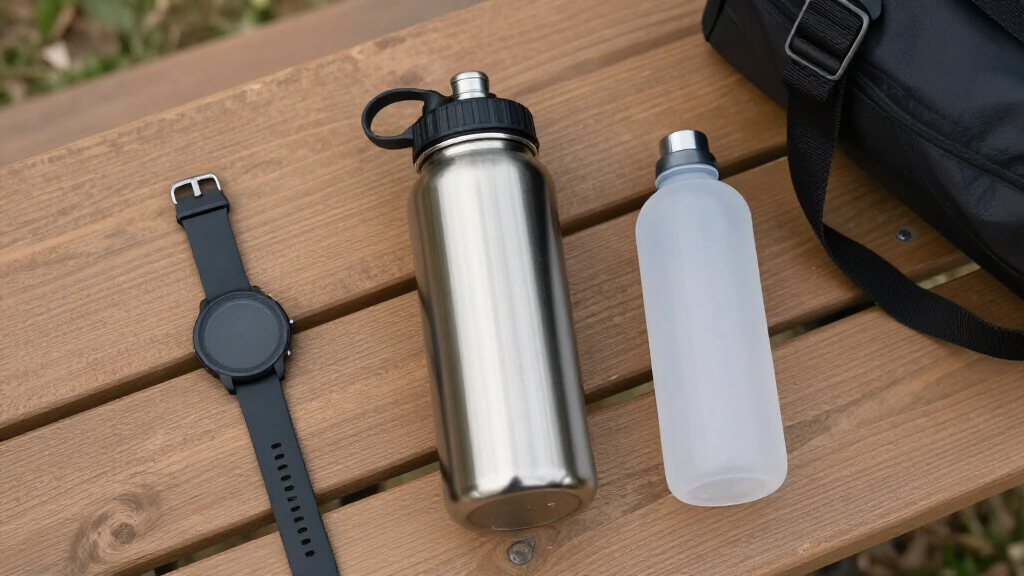
Material choices matter deeply because they influence your hydration experience and the longevity of your gear. BPA-free plastics are lightweight and inexpensive, making them ideal for students who need portability and affordability. However, they might not insulate your drinks well, leading to temperature fluctuations. Stainless steel offers durability and insulation, keeping drinks cold or hot longer, which can be critical during long outdoor activities or cold mornings. But they tend to be heavier and more expensive. Glass bottles look sleek and are free of chemicals, but their fragility means they’re less practical for active use where drops and impacts are common. The choice impacts not just how long your beverage stays at the desired temperature but also how comfortable and reliable your gear feels during your daily routines. For example, a student heading to a long hike might prioritize stainless steel for insulation and durability, while a student who needs quick, lightweight refills might prefer BPA-free plastic. Understanding these tradeoffs helps you select gear that aligns with your activity and environment, ensuring you stay hydrated effectively without compromising convenience or durability.
leak-proof water bottle for campus
As an affiliate, we earn on qualifying purchases.
As an affiliate, we earn on qualifying purchases.
The latest trends: smart tech, eco-friendliness, and design
Recent innovations make staying hydrated easier and greener. Smart bottles with hydration tracking apps remind you to drink—no more forgotten glasses of water. These tech-savvy bottles often sync with your smartphone to provide real-time data on your intake, helping you develop better hydration habits and avoid dehydration during busy days. According to an anonymous researcher, these bottles can boost your daily water intake by up to 40%, which can significantly enhance your focus, energy, and overall well-being. Eco-friendly materials like recyclable plastics and biodegradable components are increasingly popular, reflecting a growing commitment to sustainability. These materials reduce plastic waste and often feature designs that can be customized or modular, allowing students to personalize their gear to match their style or activity needs. Advances in sealing technology now provide more reliable spill-proof features, even during vigorous movement, reducing messes and waste. Insulated bottles with double-wall construction keep drinks cold or hot for hours, making them ideal for outdoor classes, chilly mornings, or long study sessions. These trends are not just about convenience—they represent a shift towards sustainable, high-tech hydration solutions that fit seamlessly into active, eco-conscious student lifestyles.
insulated stainless steel water bottle
As an affiliate, we earn on qualifying purchases.
As an affiliate, we earn on qualifying purchases.
What to look for in a hydration system: a quick checklist
If you’re shopping for your hydration gear, here are key features to keep in mind:
- Leak-proof design: No spills in your bag or during vigorous movement, which is essential for preventing messes and potential damage to your belongings.
- Ease of cleaning: Wide mouths and dishwasher-safe parts make cleaning straightforward, reducing bacterial buildup and ensuring safe drinking water.
- Insulation: Keeps drinks cold or hot longer, which enhances your hydration experience especially outdoors or in variable weather conditions.
- Comfortable mouthpiece: Easy to sip without leaks or discomfort, encouraging regular hydration without frustration.
- Size and weight: Balance capacity with how portable it feels in your hand or backpack. A heavy, bulky bottle might discourage frequent use, while a too-small one might not meet your needs.
- Compatibility with activities: Fits your sport or outdoor routine—consider how easy it is to carry, access, and refill during your specific activities.
For example, if you’re a cyclist, a soft flask with a quick-sip bite valve might be perfect because it’s lightweight and easy to access without stopping. For a student who moves between classes and the gym, a durable, insulated bottle with a wide mouth for easy cleaning and filling might be more practical, ensuring hydration throughout a busy day. Prioritizing these features based on your lifestyle ensures you pick a hydration system that supports your activity and keeps you consistently hydrated without hassle.
As an affiliate, we earn on qualifying purchases.
How to choose the right size for your busy schedule
Pick a size based on how long you’re away from refills and your activity level. If your campus days are packed with back-to-back classes, a 16-20 oz bottle strikes a good balance between weight and hydration capacity. For outdoor sports or long study sessions, larger reservoirs of 32-50 oz ensure you won’t run out of water during extended periods without access to refills.
Here’s a simple step-by-step:
- Estimate how much water you typically drink during your longest activity, considering factors like temperature, exertion, and duration.
- Choose a capacity that not only meets that need but also includes an extra 10-20% to account for unexpected thirst or longer outings.
- Ensure it fits comfortably in your bag or in your hand without adding excessive weight or bulk.
- Test the weight and size in your daily routine—if it feels cumbersome, look for a lighter or smaller option.
For example, a student running between classes might carry a 20 oz bottle to stay hydrated without feeling weighed down, while an outdoor enthusiast or hiker might prefer a 50 oz reservoir to sustain them through a full day of activity. Making an informed choice here ensures you stay properly hydrated without sacrificing comfort or convenience.
Cleaning and maintenance: keep your system bacteria-free
Cleaning your hydration system regularly is crucial to prevent mold and bacteria buildup that can cause illness or unpleasant tastes. A good rule is to wash it after every use, especially if you add flavorings or leave drinks in it overnight, as residual sugars and organic matter promote bacterial growth. Neglecting proper cleaning can lead to health risks and degrade the material over time, making your gear less reliable and less pleasant to use. Use warm water and a mild soap, or specialized cleaning tablets designed for hydration systems. Many modern bottles and reservoirs now feature dishwasher-safe components, which simplifies the cleaning process and ensures thorough sanitation. For example, a student might rinse their bottle with hot water after a workout and perform a deep clean weekly with a cleaning tablet to eliminate any lingering bacteria or mold. Regular maintenance not only extends the lifespan of your gear but also guarantees that every sip tastes fresh and safe, which is essential for your health and hydration effectiveness.
Frequently Asked Questions
What is the best hydration system for a student involved in sports?
A durable, insulated hydration pack or bottle with a large capacity and easy access is ideal. Look for features like leak-proof seals and quick-sip valves to stay hydrated during intense activity.
Are reusable bottles safe and environmentally friendly?
Yes, especially BPA-free plastics and stainless steel options. They reduce plastic waste, save money over time, and often last longer than single-use bottles.
How often should I clean my hydration system?
Ideally after each use, especially if flavored or left overnight. At minimum, clean once a week using soap and water or dishwasher-safe cleaning tablets to prevent bacteria buildup.
What features should I look for in a hydration system for outdoor activities?
Insulation, durability, leak-proof design, and ease of carrying are key. For outdoor adventures, a rugged, insulated bottle that keeps drinks cold and resists spills works best.
Are smart hydration bottles worth it?
They can help you track intake and set reminders, which is especially useful for busy students. If you often forget to drink, a smart bottle might be a worthwhile investment.
Conclusion
Staying hydrated isn’t just about drinking water; it’s about choosing a system that fits your busy, active life. From smart bottles to rugged reservoirs, the right gear can boost your energy and focus through every class and adventure.
Remember—hydration is your secret weapon for a successful campus experience. Find what works, keep it clean, and drink up. Your best day starts with a sip.