
TL;DR

Prime made for students and young adults
- Fast, free delivery for dorm and study essentials
- Prime Video and Amazon Music included
- Member-only deals
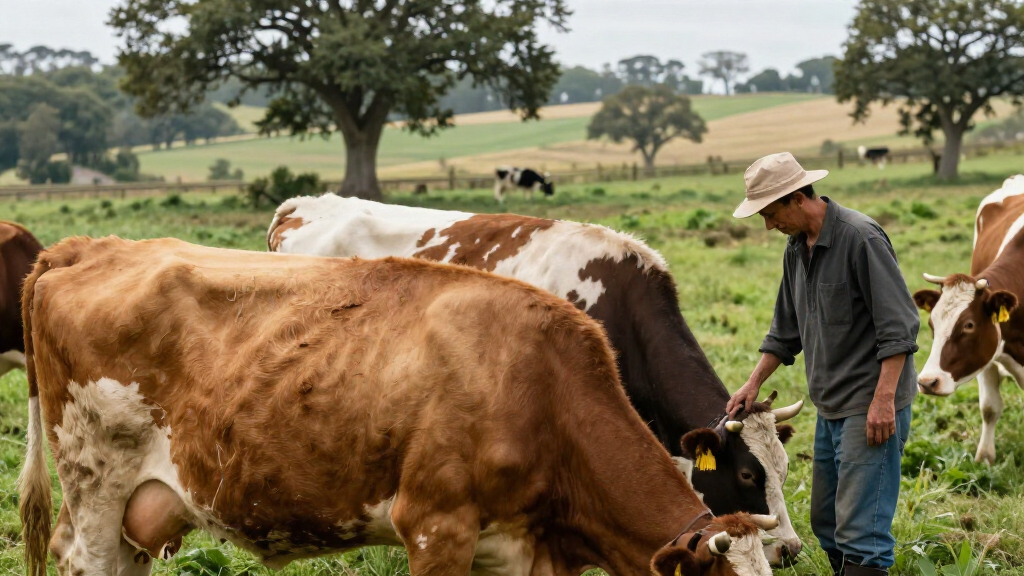
A recent study finds that beef and dairy farming account for 41% of biodiversity damage linked to global farmland. This highlights the significant ecological impact of livestock production. The findings emphasize the need for sustainable practices and policy changes.
A recent study has confirmed that beef and dairy farming are responsible for 41% of biodiversity damage linked to global farmland. This finding underscores the substantial ecological footprint of livestock agriculture and its role in habitat loss and species decline. The research, published in a peer-reviewed journal, provides new quantification of the environmental costs associated with meat and dairy production.
The study analyzed data from multiple regions and ecosystems, finding that beef and dairy cattle account for the majority of biodiversity impacts related to farmland use globally. It attributes this damage to factors such as land conversion for pasture and feed crops, methane emissions, and pollution. The research also notes that other forms of agriculture, such as crop farming, contribute less significantly to biodiversity loss, though they remain impactful.
According to the authors, this 41% figure highlights the importance of addressing livestock-related environmental issues in efforts to conserve biodiversity. The study emphasizes that reducing meat and dairy consumption, improving farming practices, and implementing policy reforms could significantly mitigate these impacts. The research was conducted by an international team of ecologists and environmental scientists, utilizing satellite imagery, land-use data, and biodiversity metrics.
Implications for Global Biodiversity Conservation
This finding is significant because it quantifies the environmental toll of livestock agriculture, which has often been discussed qualitatively. It underscores the need for policy shifts and consumer behavior changes to protect ecosystems and prevent species extinctions. As agriculture expands to meet global food demand, the study suggests that sustainable livestock practices and dietary shifts could be vital in reducing biodiversity loss.
Environmental groups, policymakers, and industry stakeholders may use this data to prioritize conservation efforts and reform agricultural subsidies. The report also adds to the growing body of evidence supporting plant-based diets and sustainable farming as strategies to reduce ecological footprints.
Popular right now

Bose QuietComfort Wireless Noise Cancelling Headphones, Sandstone

De'Longhi Magnifica Evo Fully Automatic Espresso Machine with Manual Milk Frother, Silver

Shark Rotator Lift-Away Upright Vacuum with HEPA Filter (NV501)
As an affiliate, we earn on qualifying purchases.
Background on Livestock’s Environmental Impact
Livestock farming has long been linked to environmental issues, including greenhouse gas emissions, deforestation, and water use. Past studies have indicated that meat production is resource-intensive and environmentally costly, but precise quantifications of its impact on biodiversity have varied. This latest research consolidates these concerns by providing a clear percentage of biodiversity damage attributable to beef and dairy farming on a global scale.
Previous reports, such as those from the Food and Agriculture Organization (FAO), have highlighted the environmental costs of livestock, but the new study offers a more detailed analysis of biodiversity specifically. It builds on earlier findings that suggest land conversion for pasture and feed crops are primary drivers of habitat destruction.
Uncertainties in Data and Regional Variations
While the study provides a comprehensive global estimate, it is still unclear how regional differences influence the exact percentage of biodiversity damage caused by livestock. Variations in farming practices, land use policies, and ecosystem resilience may affect localized impacts. Additionally, the study relies on models and satellite data, which have inherent limitations in capturing all biodiversity changes.
Further research is needed to refine these estimates at national and local levels, and to understand the specific pathways through which livestock farming impacts different ecosystems.
Future Policy and Research Directions
Next steps include integrating these findings into national conservation strategies and agricultural policies. Policymakers may consider incentivizing sustainable livestock practices and promoting plant-based diets. Researchers are expected to focus on regional impact assessments and developing more precise land-use models to guide conservation efforts. Public awareness campaigns could also be launched to encourage dietary shifts and sustainable consumption.
Key Questions
How was the 41% figure determined?
The percentage was calculated by analyzing global land-use data, biodiversity metrics, and environmental impacts associated with different types of farmland, with a focus on beef and dairy cattle.
Does this mean all beef and dairy farming is harmful?
The study does not suggest all farming practices are equally damaging, but highlights that, on a global scale, beef and dairy production are the largest contributors to farmland-related biodiversity loss.
What actions can reduce this biodiversity damage?
Reducing meat and dairy consumption, adopting sustainable farming practices, and implementing supportive policies can help mitigate biodiversity impacts linked to livestock farming.
Is this impact the same across all regions?
No, regional differences in farming intensity, land management, and ecosystems mean impacts vary. Further localized studies are needed for precise assessments.
How urgent is addressing this issue?
Given the critical state of global biodiversity, addressing the environmental impacts of livestock farming is urgent to prevent further habitat loss and species extinctions.
Source: hn