
TL;DR
Prime for Young Adults — start your free trial
Fast free delivery, streaming and member deals for eligible 18–24 year olds.
Try it freeAs an affiliate, we earn on qualifying purchases.
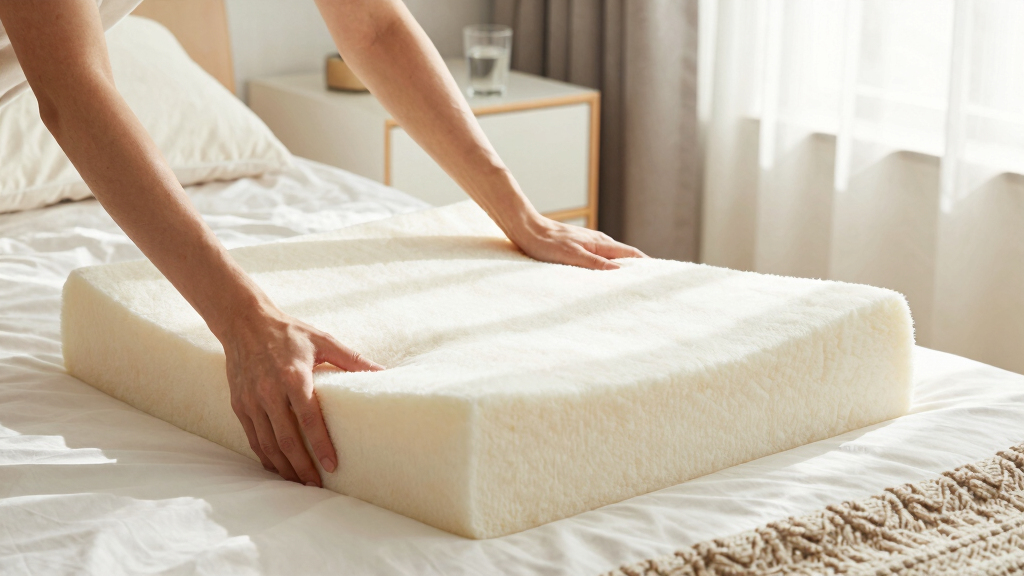
A mattress topper can turn a firm or sagging dorm bed into a plush, supportive sleep surface. Choosing the right type, thickness, and firmness depends on your sleep position, body weight, and temperature needs. Small details like fit and material matter more than you think for a good night’s rest.
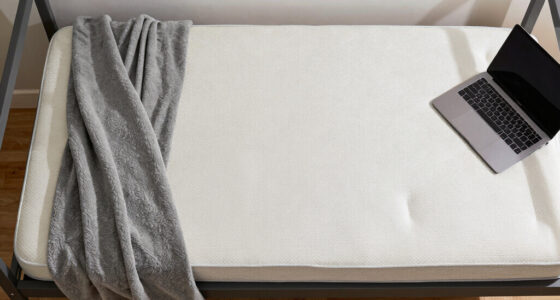
Picture this: a hard, squeaky dorm mattress that feels like sleeping on a board. Now imagine sinking into a cloud of soft, supportive foam after a long day. A good mattress topper isn’t just luxury — it’s a game-changer for dorm life. It can soften a too-firm mattress, add support to sagging spots, and even help regulate temperature.
If you’re shopping for one, you need to know what really matters. Thickness, material, firmness, and fit all make a difference. This guide breaks down exactly how to choose the perfect topper so your sleep becomes a highlight of your college experience, not a chore.
Match your topper thickness and firmness to your sleep position and body weight for best support.
Material choice influences temperature, durability, and feel — latex and natural fibers are cooler and last longer.
Secure your topper with straps and use removable covers to keep it in place and smelling fresh.
Budget options are cheaper but may wear out faster; investing in higher-density foam or latex pays off long-term.
Cooling features help, but don’t rely solely on marketing claims—consider your room environment and bedding for true comfort.
Choosing the Right Mattress Topper for Comfort
A hard, squeaky dorm mattress doesn’t have to define your college years. The right topper can soften a too-firm bed, prop up sagging spots, and regulate temperature — turning a board into a cloud. Thickness, material, firmness and fit all matter more than you think. Here’s exactly how to choose.
Topper vs. Pad vs. Protector
All three sit on your bed, but each does a different job. For dorm comfort, the topper is your main upgrade — the other two play supporting roles.
Mattress Topper
Changes how your bed feels. Softens a too-firm mattress, adds support to tired spots, and adjusts temperature. Made from foam, latex, down or wool.
Mattress Pad
A thin layer of light cushioning that mostly protects the mattress from spills and stains. A gentle hug for your bed — not a comfort overhaul.
Mattress Protector
Guards against allergens, dust mites and liquids. It’s a barrier, not a comfort layer — essential for keeping a dorm mattress clean.
Match Thickness & Firmness to How You Sleep
Your sleep position and body weight decide how much cushioning and resistance you need. Get this match wrong and you wake up with aches; get it right and sleep becomes the highlight of your day.
Memory Foam vs. Latex
The two most popular topper materials, side by side. Sleep hot or want longevity? Latex usually wins. Want deep contouring on a budget? Memory foam delivers.
| Feature | Memory Foam | Latex ★ |
|---|---|---|
| Feel | Soft, contouring, pressure-relieving | Responsive, buoyant, quick bounce-back |
| Pressure Relief | ✓ Excellent — ideal for joints & side sleepers | ~ Good — supports natural spinal alignment |
| Cooling | ✗ Can sleep hot unless gel-infused | ✓ Naturally cooler with better airflow |
| Repositioning | ✗ Slower response; can feel “stuck” | ✓ Easy — great for restless sleepers |
| Durability | ~ 3–5 years, depending on density | ✓ Often 5+ years, holds its shape |
| Price | ✓ $100–$300 for quality versions | ~ Higher cost — and heavier to move |
Five Topper Materials, Decoded
Material drives temperature, durability and feel more than any marketing claim. Match the material to your dorm reality — warm room, tight budget, aching joints, eco priorities.
Memory Foam
Excellent contouring for side sleepers and sensitive joints. Can trap heat unless gel-infused or open-cell. Density (3–5 lb/ft³) is the quality tell.
Latex
Naturally cooler, responsive and durable. Bounces back fast for easy repositioning. Heavier and pricier — but pays off long-term.
Down / Down-Alt
Soft, luxurious loft — like sleeping on clouds. Minimal support and flattens over time; needs regular fluffing to keep its loft.
Wool
Regulates temperature year-round and wicks moisture — great for night sweaters. Naturally antimicrobial and resilient; a sustainable pick.
Polyfoam
Cheap and lightweight, but wears out faster with less consistent support. Fine for a single semester — replace sooner to stay comfortable.
Cooling Foams
Marketed hard for cooling — phase-change materials, graphite, gel infusions. Real-world effect is often modest: factor in your room and bedding too.
What Your Money Buys
Budget toppers are cheaper upfront but wear out faster. Investing in higher-density foam or latex usually wins on cost-per-year — especially over a full degree.
Five Steps to the Perfect Topper
Work through the chain in order — each answer narrows the next choice.
Sleep Position
Side = thick & soft. Back / stomach = thinner & firmer.
Body Weight
Over 180 lbs? Choose denser foam or a thicker profile.
Temperature
Sleep hot? Prioritize latex, wool or verified cooling designs.
Material
Foam for contouring, latex for longevity, down for plush.
Fit & Care
Corner straps stop sliding; a removable cover keeps it fresh.
What to Remember
“A well-chosen topper can extend a mattress’s life by up to two years and measurably improve sleep quality — but it won’t resurrect a deeply sagging mattress. That one needs replacing.”
Key Insight — Sleep Research ConsensusMatch thickness and firmness to your sleep position and body weight — that pairing decides support more than brand names.
Material drives temperature and lifespan. Latex and natural fibers sleep cooler and last longer than basic foams.
Secure it and cover it. Straps keep the topper in place; a removable, washable cover keeps it smelling fresh all semester.
Don’t trust cooling claims blindly. Gel and PCM marketing outpaces reality — weigh your room environment and bedding too.
What’s the difference between a topper, a pad, and a protector? Here’s the quick scoop
Mattress toppers, pads, and protectors all sit on your bed, but each does a different job. A mattress topper is your main tool for comfort — it changes how your bed feels. It’s usually 2-4 inches thick and made from foam, latex, or down.
A mattress pad is lighter and adds a thin layer of cushioning, mainly protecting the mattress from spills or stains. Think of it as a gentle hug for your bed.
A mattress protector guards against allergens, dust mites, and liquids. It’s a barrier, not a comfort layer. For dorms, a topper is the best upgrade for comfort, while protectors keep your mattress clean.
As an affiliate, we earn on qualifying purchases.
How to pick the perfect thickness and firmness for your sleep style
- Identify your sleep position: Side sleepers often need a thicker, softer layer—around 3-4 inches—to cushion shoulders and hips, which are prone to pressure points. Back and stomach sleepers typically prefer 2-3 inches of firmer support to keep the spine aligned and prevent sinking. Recognizing your sleep position helps you select a topper that balances comfort with support, reducing aches and improving sleep quality.
- Consider your body weight: Heavier sleepers (>180 lbs) exert more force on the topper, which can cause softer materials to compress too much, leading to discomfort and reduced support. Opting for denser foam or thicker layers ensures the topper can withstand pressure and maintain its supportive qualities over time. Conversely, lighter individuals benefit from plush, softer toppers that enhance comfort without sinking excessively.
- Match firmness to comfort needs: Soft toppers (like memory foam at 3 lb/ft³ density) create a cloud-like feel, ideal for side sleepers needing pressure relief. Firmer options (latex or higher-density memory foam over 5 lb/ft³) provide more support, suitable for stomach sleepers or those with back pain. Understanding these tradeoffs helps you customize your sleep experience, minimizing discomfort and maximizing support.
Choosing the right thickness and firmness isn’t just about comfort — it’s about aligning your sleep environment with your body’s needs. For example, a heavier person might need a thicker, firmer topper to prevent sinking and support proper spinal alignment. Meanwhile, a lighter person might prefer a softer, thinner layer to avoid feeling like they’re sinking into the mattress. Making these distinctions can prevent waking up with aches and ensure restful sleep, which is essential for energy and focus during busy college days.
memory foam mattress topper 3 inch
As an affiliate, we earn on qualifying purchases.
As an affiliate, we earn on qualifying purchases.
Memory foam vs. latex — which suits your dorm bed best?
| Feature | Memory Foam |
|---|---|
| Feel | Soft, contouring, pressure-relieving |
| Support | Good for pressure points, moderate support |
| Cooling | Can sleep hot, unless infused or gel-enhanced |
| Durability | 3-5 years, depending on density |
| Price | $100–$300 for quality versions |
Latex toppers are naturally cooler, more responsive, and often last 5+ years. They bounce back quickly, making repositioning easier. Because latex responds quickly to movement, it can be better for couples or students who shift positions frequently. However, latex tends to be heavier and more expensive than memory foam, which could influence your decision based on budget and portability. If you sleep hot or want a topper that maintains its shape longer, latex might be the better choice, especially since it offers consistent support and better airflow, reducing heat buildup.
cooling mattress topper queen size
As an affiliate, we earn on qualifying purchases.
As an affiliate, we earn on qualifying purchases.
Materials matter: Which topper suits your dorm needs?
- Memory foam: Offers excellent pressure relief, making it ideal for side sleepers and those with joint sensitivities. However, it can trap heat unless gel-infused or designed with cooling features. Consider this if you tend to sleep hot or need contouring support for aching joints.
- Latex: Naturally cooler, highly responsive, and durable. Its quick bounce-back makes repositioning easier and supports natural spinal alignment. Choose latex if you value longevity and temperature regulation, especially in warm dorm rooms.
- Down/down-alternative: Soft, plush, and feels like sleeping on clouds. It provides a luxurious experience but lacks support and fluffs up over time, requiring regular fluffing. Think of it as a cozy, lightweight layer that creates a soft sleeping surface, but be aware it may need frequent fluffing to maintain its loft and support.
- Wool: Offers excellent temperature regulation and moisture-wicking properties, making it suitable for students who experience temperature swings or sweat at night. It’s a natural choice for eco-conscious students seeking sustainable options. Wool also tends to be resilient and naturally antimicrobial, which can reduce odors and maintain freshness over time.
- Polyfoam: Budget-friendly and lightweight but tends to wear out faster and offers less support. Use with caution if longevity is a priority; it’s best for short-term or temporary solutions. Polyfoam can be a good starter option or for temporary dorm stays, but it may need replacing sooner to maintain comfort and support.
Choosing the right material isn’t just about comfort — it’s about supporting your health and ensuring your dorm sleep environment adapts to your needs. Think about your priorities: if temperature regulation is key, latex or gel-infused memory foam will serve you better. If you want a plush, soft feel and don’t mind fluffing, down or down-alternative toppers are appealing. For eco-conscious choices, wool offers a natural, sustainable option. Consider your lifestyle, budget, and sleep preferences to select a topper that enhances both comfort and health, making your dorm bed a true sanctuary.
As an affiliate, we earn on qualifying purchases.
Frequently Asked Questions
Will a mattress topper fix my sagging dorm mattress?
A topper can provide a temporary boost in comfort and support, but it won’t fix deep sagging. If your mattress has serious sags or lumps, consider replacing it for better long-term sleep quality.How thick should my dorm mattress topper be?
Most students find 3 inches of plush material ideal for side sleeping, while 2 inches of firmer support suits stomach or back sleepers. Thicker toppers offer more softness but can change bed height and potentially affect your sleeping posture if not chosen carefully. To make the best choice, consider your preferred sleep position and whether you need extra cushioning or support to avoid waking up with aches.Do memory foam toppers really sleep hot?
Memory foam can trap heat, especially if it’s dense or lacks ventilation. Gel-infused or open-cell memory foam helps dissipate heat, but it’s not a guaranteed solution. If you’re a hot sleeper, consider latex or toppers with cooling covers, and also optimize room temperature and bedding layers to maintain comfort throughout the night.How do I prevent my topper from sliding around?
Choose toppers with corner straps or fitted skirts designed to grip your mattress securely. Additionally, placing a non-slip mattress pad underneath can increase friction, preventing shifting during restless sleep. Regularly checking and adjusting these straps can prolong the topper’s stay in place, ensuring consistent comfort and reducing frustration.How often should I replace my mattress topper?
Most toppers last between 2–5 years, depending on materials and usage. Signs that it’s time for a replacement include persistent lumps, loss of support, or unpleasant odors that don’t dissipate after airing out. Regularly inspect your topper and consider replacing it when support diminishes or comfort is compromised, to maintain restful sleep and avoid discomfort.Conclusion
Transform your dorm bed from a squeaky, hard slab into a cozy retreat with the right mattress topper. Focus on your sleep style, support needs, and budget to make the smart choice. After all, better sleep sets the tone for everything — classes, friendships, and late-night study sessions.
Pick your topper wisely, and you’ll wake up feeling refreshed, ready to tackle college life. Sleep well, and enjoy your dorm room upgrade — it’s your secret weapon for college success.
Fall Picks
fall essentials
As an affiliate, we earn on qualifying purchases.