
TL;DR
A smart carry-on packing system is about more than fitting everything in. It prioritizes airline rules, protects valuables, and helps you access essentials fast, making travel smoother and safer.
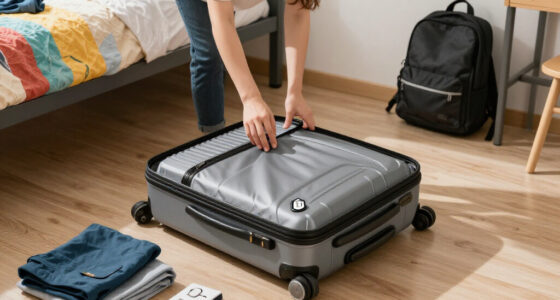
Picture this: you’re rushing through the airport, bag in hand. It’s packed tight, yet you fumble to find your passport or a charger. That chaos? It’s avoidable. Your carry-on isn’t just a bag; it’s a system. A well-designed packing plan helps you fly smoothly, stay within airline rules, and protect your valuables.
In this guide, you’ll learn how to build a packing system that’s safe, efficient, and tailored to real-world travel needs. It’s about organizing smarter, not just packing more. Ready to turn your carry-on into a travel partner you can trust?
Always verify your airline’s specific size and weight limits before packing.
Organize your carry-on into zones for quick access and ease during security checks.
Pack a capsule wardrobe with versatile, lightweight, and quick-drying clothes to save space.
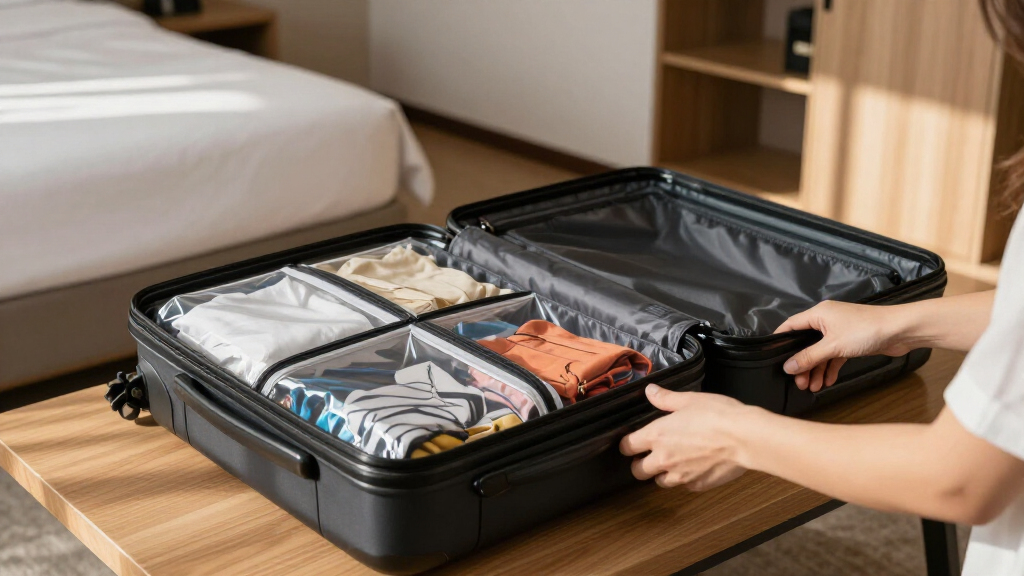
Use category-based packing cubes to stay tidy and find items faster.
Keep essentials like medications, valuables, and electronics in your personal item for safety and convenience.
Creating a Safe and Efficient Carry-On Packing System
Your carry-on is not just a bag—it is a compact operating system. Build it around airline compliance, fast access, protected essentials, and versatile gear to move through every stage of the journey with less friction.
Approximate inches used as a familiar reference—not a universal allowance.
Airline, route, fare, aircraft, and operating carrier can all change the limit.
A well-zoned bag beats a tightly packed bag when security or the gate gets busy.
Start with the airline, not the packing list
Allowances vary by airline, route, fare class, aircraft, and codeshare operator. Confirm the real constraints before choosing what earns space in the bag.
External dimensions
Include wheels, handles, side pockets, and any bulging caused by overpacking. Soft sides only help when the bag can still compress into the frame.
Total cabin load
Compression changes volume—not mass. Weigh the finished bag and leave capacity for food, purchases, or hurried repacking.
Fare-specific rules
Check whether the ticket includes a carry-on, what counts as a personal item, and whether regional or partner-operated flights differ.
Even a 21.5 × 14 × 9-inch soft-sided bag must satisfy the rules published for the exact itinerary and operating carrier.
Pack in order of access
The best location for an item depends on when it is needed, how valuable it is, and whether security staff may request it. Design the journey before filling the compartments.
At the curb
Passport, phone, wallet, and travel documents stay immediately reachable.
At security
Liquids and removable electronics come out without opening the main compartment.
At the gate
Batteries, medication, and valuables can transfer quickly if the carry-on is checked.
In the cabin
Chargers, snacks, layers, and comfort items remain accessible during the flight.
The four-zone bag
Never surrender
Passport, wallet, medication, phone, keys, valuables, and vital documents.
Remove on demand
Transparent liquids bag, laptop, tablet, chargers, and screening-sensitive gear.
Protect from pressure
Electronics, lenses, fragile items, and battery terminals stay separated and cushioned.
Fill the remaining volume
Category-packed clothing and low-risk items form the stable base of the load.
Build a capsule, not a costume archive
A small coordinated wardrobe lowers weight, decision fatigue, and repacking time. Choose pieces that layer, rewear, and dry quickly—and wear the heaviest practical items in transit.
The compact wardrobe formula
Space-value score
Prioritize garments with multiple combinations per unit of weight. If an item works with only one outfit, it must justify the space.
Category packing wins on flexibility
Cubes and lightweight pouches create a visible inventory. They make individual items easier to retrieve, expose overpacking, and keep the rest of the bag stable.
| Method | Fast retrieval | Adaptable outfits | Easy inventory | Weight control |
|---|---|---|---|---|
| Category cubes | ✓ Excellent | ✓ Excellent | ✓ Clear | ~ Must monitor |
| Outfit bundles | ~ Situational | ✗ Limited | ~ Moderate | ~ Must monitor |
| Loose packing | ✗ Slow | ~ Flexible | ✗ Unclear | ✗ Easy to exceed |
| Heavy compression | ✗ Difficult | ~ Moderate | ~ Dense | ✗ No weight saving |
Leaks, lithium, and life essentials
The safest system isolates items that can spill, short-circuit, break, or become urgently necessary. These categories also need to remain removable if the main carry-on is gate-checked.
Contain twice
Use only the amount needed, leave expansion room, tighten every cap, and separate liquids from documents and electronics.
- Use leak-resistant containers
- Add a secondary bag for risky products
- Prefer solid alternatives when practical
- Follow the departure airport’s current rules
Keep in the cabin
Spare lithium batteries and power banks generally belong in cabin baggage. Prevent terminal contact and accidental activation.
- Cover terminals or use dedicated cases
- Verify watt-hour capacity limits
- Check smart-luggage battery removal
- Make all battery items easy to extract
Keep within reach
Essential health items belong in the personal item, preferably in original or clearly labeled packaging with a delay buffer.
- Carry prescription information
- Bring required medical documentation
- Pack a compact first-aid kit
- Check destination-specific legal rules
The carry-on confidence chain
The goal is not a completely full bag. It is a bag that remains compliant, reachable, protected, and manageable.
Start with Airline Rules — Know Your Limits from the Get-Go
Airlines all have their own rules about carry-on size and weight. Ignoring them can lead to delays, extra fees, or gate-checking. Check your airline’s website for max dimensions—think about 22 x 14 x 9 inches as a common standard—and weight limits, often around 15-22 pounds.
For example, a soft-sided bag like the Travelpro Maxlite 5 measures exactly 21.5 x 14 x 9 inches, fitting most airline frames. Leave some wiggle room for unexpected items or slight overpacking. Remember: rules vary by route and ticket class, so always double-check before packing.
Understanding and respecting these rules is crucial because they directly impact how smoothly your journey goes. Overpacking can result in last-minute gate-checking, which can be inconvenient and delay your departure. Under-packing or misjudging size can also lead to having to reorganize at the last moment, adding unnecessary stress. Knowing your limits helps you plan effectively, avoid surprises, and ensure your packed belongings fit comfortably within airline parameters, ultimately making your travel experience more predictable and hassle-free.
As an affiliate, we earn on qualifying purchases.
Create a Packing Hierarchy — Your System for Quick Access
Organizing your bag into zones isn’t just about tidiness; it’s about strategic efficiency. Placing essential items in an easily accessible area reduces stress during security checks and quickens your ability to respond to unexpected needs, like grabbing a passport or a snack. This hierarchy minimizes fumbling and helps prevent forgetting critical items, which could lead to delays or needing to repack at the last minute. By consciously designing these zones, you’re balancing convenience with security, ensuring that your most valuable or necessary items are both protected and reachable when needed most.
This approach also has implications for your overall travel experience. When you can quickly locate important items, you reduce the risk of missing flights, losing valuables, or causing delays for fellow travelers. Moreover, a logical hierarchy helps you keep track of what you’ve packed, making unpacking at your destination more straightforward and efficient. The tradeoff, however, is that over-segmenting your bag might take extra time initially to organize, but the long-term benefits of quicker access and reduced stress outweigh this initial effort.
As an affiliate, we earn on qualifying purchases.
Build a Capsule Wardrobe — Pack Less, Wear More
Imagine fitting a week’s worth of outfits into a compact, color-coordinated wardrobe. Pick versatile pieces that mix and match—think neutral tops, a pair of dark jeans, and a lightweight jacket. Use fabrics that dry fast and resist wrinkling, so you can wash and wear the same items multiple times. This approach isn’t just about saving space; it’s about reducing decision fatigue, weight, and bulk, making your packing more sustainable and your travel more flexible. Choosing fewer, smarter clothes means less hassle when unpacking and repacking, and it encourages a minimalist mindset that prioritizes quality over quantity—crucial for efficient travel.
Beyond space-saving, a capsule wardrobe minimizes the mental clutter of choosing outfits daily. It streamlines your mornings, reduces the temptation to overpack, and ensures you’re prepared for various weather conditions or occasions without carrying excess. The tradeoff is that you might need to plan your outfits ahead and wash clothes during your trip, but this discipline often results in a lighter, more manageable bag and a more intentional travel experience.
lightweight travel wardrobe capsules
As an affiliate, we earn on qualifying purchases.
As an affiliate, we earn on qualifying purchases.
Pack by Category, Not by Outfit — Stay Organized and Flexible
Using packing cubes or small pouches to categorize your clothing isn’t just about tidiness; it’s about strategic flexibility. When you need a specific item quickly—say, a clean T-shirt or a pair of socks—you can grab the appropriate cube without disturbing the rest of your belongings. This organization makes unpacking at your destination faster and more efficient, and it helps prevent overstuffing your bag, which can lead to damage or difficulty closing it. Additionally, categorizing items allows you to easily adapt your outfit choices based on weather or occasion, without rummaging through your entire bag. It’s a simple step that significantly boosts your ability to stay adaptable and organized during travel.
Beyond convenience, packing by category also helps you make better decisions about what to bring. For example, if you realize you packed more than needed in one category, you can pare down before your trip begins. Conversely, if you find you need an item in a particular category, you know exactly where to look. The tradeoff is that packing in categories requires some initial organization time, but it pays off by saving time and reducing frustration during travel and unpacking.
airport security travel accessories
As an affiliate, we earn on qualifying purchases.
As an affiliate, we earn on qualifying purchases.
Control Liquids and Toiletries — Keep Leaks and Delays at Bay
Liquids and gels are a major security concern because leaks can damage your belongings and cause delays. Using tiny, leak-proof containers—think 3 oz or less—fitted into a clear, zip-top bag ensures compliance and minimizes risk. Properly sealing and double-checking caps prevents spills that could ruin electronics or clothes. More importantly, understanding the implications of leaks is critical because a single spill can damage electronics or clothing, leading to costly repairs or replacements. Additionally, leaks can cause security delays if TSA agents need to inspect or confiscate compromised items. Ensuring your liquids are secure reduces these risks and helps you pass through security smoothly, saving time and avoiding unnecessary hassle. The tradeoff is that using multiple small containers can be less convenient initially, but it significantly minimizes the risk of leaks and delays.
Handle Batteries and Electronics — Stay Safe and Compliant
Spare lithium batteries and power banks pose a fire risk, so they must be carried in your carry-on and not checked luggage. Protecting terminals with tape or dedicated cases prevents accidental short circuits. Verifying airline limits—many restrict power banks over 100Wh—avoids confiscation at security, which can be inconvenient and costly. Proper packing of batteries and electronics is essential because mishandling can lead to safety hazards, such as fires or device damage. Carrying them in accessible compartments allows quick inspection if needed, but also ensures they’re protected from damage during transit. Being aware of these safety measures isn’t just about compliance; it’s about safeguarding your devices and the safety of everyone on board. The tradeoff is that extra precautions may add complexity to packing, but these steps are vital for safety and peace of mind during your journey.
Protect Medications and Essential Items — Stay Healthy on the Fly
Keeping medications, medical devices, and critical documents in your personal item isn’t just about convenience; it’s about ensuring immediate access in case of delays or emergencies. Packing extra supplies acts as a safeguard against unforeseen disruptions, such as delays or lost luggage. Using original bottles or clear, labeled bags helps you pass security smoothly and provides clarity during health emergencies. For example, a traveler kept her prescription meds in a small pouch with a doctor’s note, which proved invaluable when crossing borders or in emergencies. Carrying a list of allergies and emergency contacts adds an extra layer of preparedness, especially when traveling internationally or with specific health conditions. These precautions not only support your health but also give peace of mind, ensuring you’re ready for unexpected situations and can respond promptly if needed.
Understanding the implications of not safeguarding medications is crucial because missing essential medicines can lead to health risks or complications. Properly organizing and protecting these items ensures they’re accessible when needed most, preventing unnecessary stress or health issues during travel. The tradeoff is that extra planning and packing may take a little more time, but the benefits of being prepared far outweigh the minor inconvenience.
Balance for Comfort and Safety — Avoid Overpacked or Unstable Bags
Proper weight distribution isn’t just about comfort; it’s about preventing damage and ensuring your bag’s longevity. Placing heavier items near the wheels or close to your back maintains balance, making it easier to carry and reducing strain. Overloading outer pockets with sharp or heavy objects can cause damage or pose safety risks. Testing your bag’s stability—can it stand upright without tipping? Is it easy to lift overhead? If not, it’s a sign to reduce weight or switch to a lighter, more stable bag. A well-balanced bag minimizes fatigue during transit and prevents accidents, ensuring your belongings stay safe and your body stays comfortable throughout your journey.
Additionally, an unbalanced or overloaded bag can tip over or be difficult to maneuver, increasing the risk of damage to contents or injury to yourself. Proper packing also involves considering the durability of your bag—overstuffing can cause seams to rip or wheels to malfunction. The tradeoff is that balancing your load may require some initial effort, but it results in a safer, more comfortable travel experience and extends the life of your luggage.
Prepare for Forced Gate-Checking — Be Ready to Minimize Disruption
Gate-checking can be unavoidable during busy travel times, and being prepared reduces stress and loss. Keeping a small, easily accessible kit with ID, medication, electronics, and a change of underwear ensures you’re not stranded without essentials. It’s wise to keep these items in a compact bag that fits under your seat, so you can quickly retrieve them if needed. For example, a traveler kept her important documents, medication, and charger in a small pouch that could be easily slipped under the seat. Being proactive means you’re less likely to be caught unprepared, minimizing inconvenience and ensuring your essentials remain close, regardless of whether your bag makes it to the cabin or gets gate-checked.
The key is understanding that gate-checking can happen unexpectedly, especially during peak times or due to airline policies. By preparing a dedicated ‘essentials kit,’ you reduce the risk of losing critical items, save time, and avoid the scramble of repacking at the last minute. The tradeoff involves carrying an extra small bag, but the peace of mind gained by being ready for gate-checking outweighs this minor inconvenience.
Use a Repeatable Checklist — Never Forget the Essentials
Creating a master packing list isn’t just about organization; it’s about building a reliable routine that reduces stress and prevents forgetting critical items. Breaking it into categories—documents, clothes, toiletries, electronics, destination-specific gear—makes the process systematic. Using a digital app or printed list allows you to check off items as you pack, ensuring nothing is overlooked. Regularly updating your checklist to include new essentials or remove unnecessary items keeps your packing efficient and tailored to your current needs. This habit fosters consistency, reduces last-minute panic, and helps you develop a personalized packing rhythm. Over time, this routine becomes second nature, making your trips smoother and more predictable, and allowing you to focus on enjoying your journey rather than worrying about missing essentials.
The tradeoff is that initial setup takes time, but the long-term benefits of a reliable checklist include peace of mind, fewer forgotten items, and faster packing—especially valuable for frequent travelers or those with complex itineraries.
Frequently Asked Questions
How large can a carry-on bag be?
Size limits vary by airline, but a common standard is about 22 x 14 x 9 inches. Always check your airline’s website for current dimensions and weight restrictions before packing to avoid surprises at the gate.
What is the difference between a carry-on and a personal item?
A carry-on typically fits in the overhead bin and is larger—usually about 22 x 14 x 9 inches—while a personal item (like a backpack or purse) must fit under the seat. Check airline rules for exact sizes and allowances.
Are packing cubes worth using?
Yes. They help organize your belongings, make unpacking quicker, and keep your bag tidy. Compression models can save space, but don’t expect to reduce weight—just bulk.
Where should medication go?
Always keep essential medication and health items in your personal item, so they’re accessible even if your main carry-on is gate-checked. Carry extra in case of delays, and use clear, labeled containers.
How do I prevent liquids from leaking?
Use small, leak-proof containers, tighten caps, and pack liquids in secondary sealable bags. Keep them in an outer pocket for quick removal during security checks. This prevents spills and speeds up your screening.
Conclusion
Think of your carry-on as a trusted travel buddy—organized, safe, and ready for anything. A smart packing system isn’t just about fitting more; it’s about traveling smarter and stress-free. Next time you pack, focus on clarity, protection, and simplicity. Your future self will thank you.
Remember: a well-planned carry-on turns travel mishaps into minor bumps, letting you focus on the journey. So pack thoughtfully, fly smoothly, and enjoy the adventure ahead.