TL;DR
Israel experienced an unusual August rainstorm that broke historical records, leading to significant water flows through the Judean Desert and Jerusalem. This rare weather event has implications for local water management and climate patterns.
Israel experienced a rare and intense rainstorm in August, breaking historical rainfall records and causing water to flow through the Judean Desert and Jerusalem, authorities confirm. This unusual weather event has drawn attention due to its rarity and potential impact on local infrastructure and climate patterns.
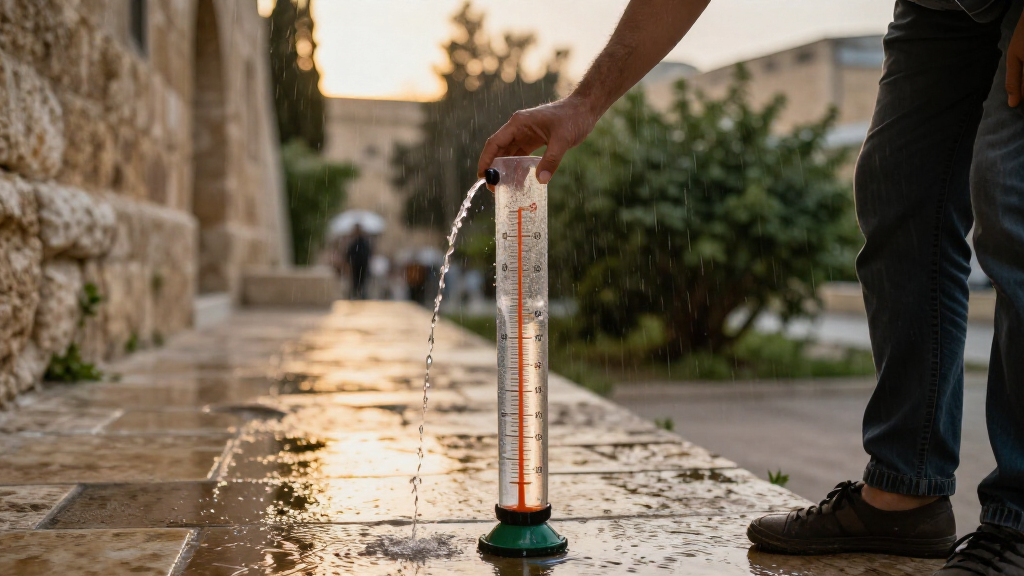
According to the Israel Meteorological Service, the rainstorm on August 20, 2024, resulted in the highest August rainfall recorded in several decades. Measurements indicate that Jerusalem received over 50 millimeters of rain within a few hours, a significant deviation from typical August weather. The Judean Desert, usually arid and dry, saw water rushing through its valleys, with some washes and streams flowing for the first time in years, as reported by local officials.
Emergency services responded to localized flooding, particularly in Jerusalem neighborhoods and along roads in the Judean Desert. No major injuries or casualties have been reported, and authorities are monitoring the situation. Meteorologists attribute this event to a rare combination of atmospheric conditions, including a cold front moving from the Mediterranean and an unusual moisture influx, which is not typical for the season.
Implications of the Record-Breaking Rainstorm in Israel
This rainfall event is notable due to its rarity during the month of August and the extent of water flow observed. The flow of water through areas such as the Judean Desert may have short-term effects on local water availability and infrastructure. Experts suggest that such events could be indicative of changing climate patterns, but further analysis is needed to understand long-term implications.
As an affiliate, we earn on qualifying purchases.
Recent Climate Trends and Unusual Weather Events in Israel
Israel has experienced increasingly variable weather patterns over the past decade, including periods of drought and intense storms. August rainfall is generally limited, making this event uncommon. The region’s climate is typically semi-arid, with most precipitation occurring during winter months. This event represents one of the few instances of significant summer rainfall, prompting discussions about climate resilience and adaptation strategies among scientists and policymakers.
“This rainstorm is an unusual occurrence for August, resulting from atmospheric conditions that are not typical for this time of year.”
— Dr. Rachel Cohen, Meteorologist at Israel Meteorological Service
waterproof dry bag for outdoor activities
As an affiliate, we earn on qualifying purchases.
As an affiliate, we earn on qualifying purchases.
Uncertain Long-Term Climate Impact of August Rainstorm
It remains uncertain whether this event signifies a shift toward more frequent unpredictable weather patterns in Israel or is an isolated occurrence. Scientists are analyzing climate data to assess whether such storms are becoming more common due to climate change, but definitive conclusions have yet to be reached.
As an affiliate, we earn on qualifying purchases.
Monitoring and Preparing for Future Weather Variability
Authorities and meteorologists will continue to observe weather patterns and analyze data from this event. Climate research organizations are expected to examine the storm’s causes and implications. Local governments are also reviewing infrastructure resilience to better prepare for similar events in the future, which may occur more frequently.
As an affiliate, we earn on qualifying purchases.
Key Questions
How unusual is August rainfall in Israel?
August rainfall is typically limited in Israel, making this event uncommon and among the highest recorded for the month in recent decades.
Could this storm be a sign of climate change?
While some scientists suggest that such anomalies could be linked to climate change, there is currently no definitive evidence directly connecting this specific event to long-term climate trends. Ongoing research aims to clarify this relationship.
What areas were most affected by the flooding?
Jerusalem and the Judean Desert experienced notable water flows, with localized flooding reported in some neighborhoods and streams flowing in areas typically dry during summer.
Are there plans to improve infrastructure for future storms?
Local authorities are reviewing and updating infrastructure resilience and flood prevention measures to better manage infrequent but intense weather events in the future.
Will this affect water supply in Israel?
This event temporarily increased water flow in some dry areas but is not expected to have a significant impact on Israel’s overall water supply, which continues to be managed carefully amid ongoing drought concerns.
Source: local

![SpaceX Starship Flight 13 Livestream [Video]](https://acceptedblog.com/wp-content/uploads/2026/07/spacex-starship-flight-13-livestream-video-featured-560x300.jpg)