TL;DR
Packing efficiently for a semester abroad means prioritizing essentials, using space-saving techniques like rolling and packing cubes, and planning for variable weather. It helps avoid baggage fees and makes settling in easier.
Prioritize versatile, multi-use clothing and pack smart with cubes and rolling techniques.
Create a detailed checklist and weigh your luggage to stay within airline limits.
Use digital copies of essential documents and pack layers to adapt to changing weather.
Limit shoes to three pairs and keep electronics minimal but essential.
Focus on space-saving and sustainable packing to reduce stress and baggage costs.
Decide What’s Absolutely Necessary — and Cut the Clutter
When packing for a semester abroad from dorm, the first step is knowing what to bring and what to leave behind. Think of your suitcase as a mini apartment—every inch counts. Start with a core list: versatile clothing, essential electronics, important documents. But more importantly, consider why each item matters. Will it get frequent use? Does it serve multiple functions? For example, a bulky pair of hiking boots might seem necessary for outdoor adventures, but if your destination lacks hiking opportunities, it’s a needless weight. Focusing on essentials that serve multiple purposes—like a scarf that can double as a blanket or a jacket that layers easily—reduces bulk and helps you prioritize quality over quantity. Overpacking not only makes your bag heavier and more expensive to transport but can also cause stress when trying to stay within weight limits, typically 50 lbs or 23 kg. Making tough choices here means you’ll travel lighter, save money, and avoid the hassle of repacking at the last minute.
As an affiliate, we earn on qualifying purchases.
Pack Clothes That Mix and Match — Save Space and Outfit Options
Clothing is often the largest space consumer in your suitcase. But beyond just saving space, choosing versatile pieces impacts your daily comfort and style. When you select items that can be combined in multiple outfits, you’re reducing the total number of clothes needed. This is especially important when laundry facilities are limited or infrequent. Opt for neutral colors like navy, gray, or beige because they easily pair with each other, giving you more outfit options from fewer pieces. Remember, the goal is not only to pack light but also to be prepared for different occasions—casual days, nights out, or formal events. The art of mixing and matching minimizes the number of shoes, accessories, and clothing you need, which directly reduces weight and space. For example, a student heading to Europe in spring might pack two pairs of jeans, three T-shirts, and a blazer that can be dressed up or down. This approach allows you to adapt to various weather conditions and social settings without overloading your luggage. Limiting shoes to three pairs—such as walking sneakers, dress shoes, and flip-flops—further ensures that you’re not sacrificing style for space, but rather making strategic choices that maximize your wardrobe’s flexibility.
As an affiliate, we earn on qualifying purchases.
Maximize Space with Packing Cubes and Rolling Techniques
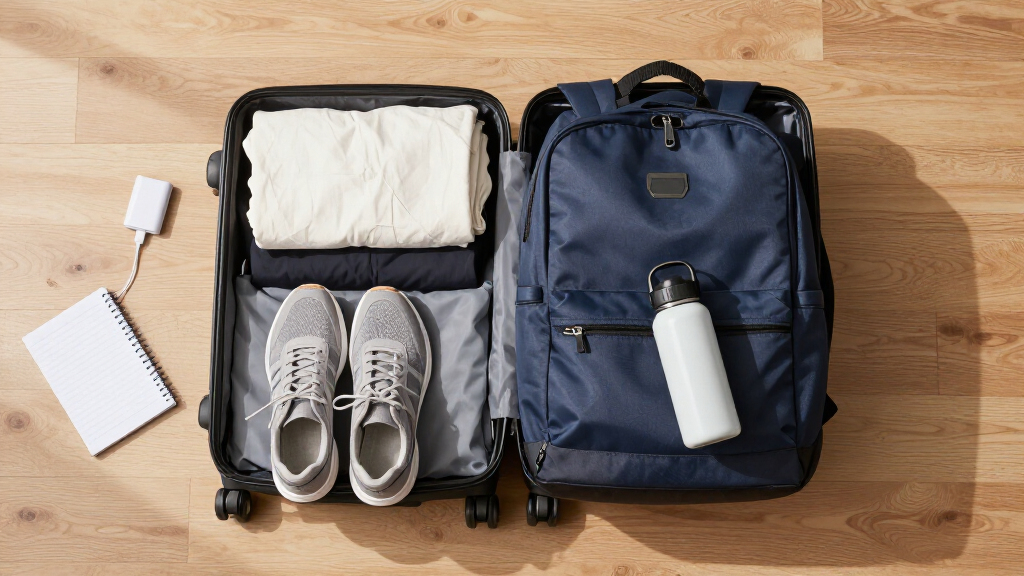
Efficient use of space is crucial when packing light. Packing cubes are a game-changer because they help you organize and compress clothing, which not only saves space but also makes it easier to find what you need without unpacking everything. By grouping similar items—like underwear, T-shirts, or socks—you create a system that streamlines your packing and unpacking process. Rolling clothes instead of folding them further reduces wrinkles and increases packing efficiency; tightly rolled garments occupy less space and fit more snugly into your cubes or suitcase compartments. Think of your suitcase as a puzzle—careful organization with cubes and rolling techniques allows you to fit more in less space. This is especially beneficial when you have strict airline weight limits or limited packing space. The added benefit is that it keeps your belongings tidy and accessible, which minimizes stress during your travels and makes repacking at your destination much easier. Using these methods can increase your luggage capacity by up to 30%, giving you room for souvenirs or additional essentials you might pick up along the way.
As an affiliate, we earn on qualifying purchases.
Choose Electronics and Documents That Save Space and Hassle
Electronics and important documents are vital, but carrying physical copies can be bulky and risky. Bringing lightweight electronics like a slim laptop or tablet, along with essential chargers, helps keep your carry-on manageable. A universal adapter ensures compatibility across different outlets, preventing the need for multiple bulky adapters. A portable power bank becomes your lifeline during long travel days or when outlets are scarce. When it comes to documents—passport, visa, insurance papers, and student ID—organize them in a compact travel wallet or digital format. Digital copies stored securely in the cloud or on a USB drive can replace physical copies, reducing clutter and risk of loss. For instance, scanning important documents and uploading them to your email or cloud storage means you can access them easily if the originals are misplaced or stolen. This not only simplifies your packing but also adds a layer of security, as digital backups are less vulnerable to damage or theft. Being strategic about electronics and documents reduces bulk, keeps you prepared, and ensures quick access when needed, all while maintaining a minimalist setup that’s easier to manage during your trip.
As an affiliate, we earn on qualifying purchases.
Pack Health, Safety, and Personal Care Items Smartly
Health and safety items are essential, but packing them thoughtfully ensures you’re prepared without overloading your luggage. Use travel-sized containers for toiletries—mini shampoo bottles, soap, toothpaste—to save space and comply with airline regulations. Including a small, well-stocked first aid kit with essentials like bandages, pain relievers, and any prescription medications ensures you’re ready for minor emergencies. For example, a compact zippered pouch keeps your toiletries organized and accessible. Consider the convenience of purchasing some items locally—shampoo, soap, or snacks—once you arrive, which can lighten your load. However, having the basics on hand helps you settle in quickly and avoids last-minute shopping. Keep these items in a designated, easily accessible part of your suitcase or carry-on so you’re not rummaging through your belongings in a hurry. Thoughtful packing of health and safety essentials minimizes stress, ensures your well-being, and enables you to focus on enjoying your new environment without worry.
Prepare for Weather and Cultural Differences with Layered Packing
Weather variability is one of the biggest challenges when packing for a new environment. Packing layers allows you to adapt quickly without overpacking for every possible condition. Think lightweight T-shirts, warm sweaters, waterproof jackets, and thermal underwear—these pieces can be combined in numerous ways to suit different climates. For example, a student heading to Scandinavia in winter should pack thermal underwear, a down jacket, and waterproof boots, but also include lighter layers for indoor use or milder days. The key is selecting versatile clothing that can be layered easily, so you’re prepared for both rain and shine, cold and warm days. Cultural norms also influence what you should bring—if modest dress is required, include items like long skirts or shawls. Being mindful of local customs and weather patterns prevents overpacking while ensuring you’re respectful and comfortable. Layered packing offers flexibility, reduces the need for multiple bulky items, and helps you stay comfortable regardless of unexpected weather shifts, making your travel experience smoother and more adaptable.
Create a Simple, Step-by-Step Packing Checklist
Having a detailed checklist transforms packing from a stressful scramble into an organized process. It ensures you don’t forget essentials and helps you stay within weight limits. Start by researching your destination’s climate and cultural norms, then list must-have clothing, electronics, documents, and health items based on that information. Using packing cubes and rolling clothes maximizes space, so include these techniques in your checklist. Prioritize versatile clothing that can be mixed and matched, and remember to pack layers for unpredictable weather. Keep valuables and important documents in a secure, easily accessible pocket or organizer. Weigh your luggage before heading to the airport to avoid surprises and potential extra fees. Checking off each item as you pack gives you peace of mind and confidence that you’re ready for your adventure. A well-structured checklist not only saves time but also ensures you’re prepared for both the practical and unexpected aspects of your trip, allowing you to focus on enjoying your journey.