
TL;DR
Creating a consistent dorm cleaning schedule involves establishing routines, sharing chores fairly, and using organizational tools. Regular upkeep keeps your space hygienic, reduces stress, and prevents chores from piling up.
Living in a dorm means juggling classes, social life, and a tiny space that quickly gets cluttered. Without a plan, chores pile up, and cleanliness suffers. But a smart, manageable cleaning schedule can make dorm life easier and healthier.
In this guide, you’ll discover how to set up a routine that fits your schedule, involve your roommates, and use simple tools to stay on top of chores. These practical tips turn cleaning from a dreaded task into a seamless part of your daily life.
Create a consistent, visual cleaning schedule—using calendars or checklists—to build habits.
Share chores fairly with roommates, using clear communication and tracking tools.
Prioritize disinfecting high-touch, high-traffic areas daily to prevent germs.
Keep cleaning supplies compact, organized, and stocked for quick access.
Manage your time by dedicating small, daily cleaning blocks to stay on top of chores.
Tips for Managing Dorm Cleaning Schedules Effectively
A clean dorm does not require marathon sessions. Build a visible routine, divide responsibilities fairly, and tackle high-touch areas in short, repeatable blocks. The result is a healthier space with fewer conflicts—and more time for college life.
10–15 min
Use a focused reset after breakfast or before bed.
30% fewer
Reported hygiene and cleanliness complaints with structured schedules.
Small + steady
Frequent upkeep prevents clutter and dirt from becoming a major project.
Five habits that keep the room under control
Cleaning becomes easier when each task has a trigger, owner, and visible place in the week. Design the system around real class schedules—not an idealized routine no one can maintain.
Assign a day, not a vague deadline
Connect recurring tasks to specific days: laundry on Monday, floors on Wednesday, and surfaces on Sunday.
Rotate the unpopular chores
Share trash, bathroom, and floor duties on a rotation so no roommate becomes the default cleaner.
Put the plan where everyone sees it
Use a door chart, whiteboard, checklist, or recurring calendar reminder to make responsibilities unmistakable.
Prioritize the surfaces hands touch
Disinfect handles, switches, counters, sink fixtures, and other shared touchpoints before low-risk areas.
Create one compact cleaning station
Keep wipes, microfiber cloths, trash bags, and a small broom or vacuum together in an easy-access caddy.
Use short blocks to beat avoidance
Set a 10–15 minute timer. A defined finish line makes starting easier and protects study and social time.
A schedule designed for busy weeks
Daily resets handle urgent hygiene; scheduled sessions cover maintenance. During exams, preserve the daily minimum and postpone only the deeper work.
| Timing | Primary task | Target zone | Time box | Roommate method |
|---|---|---|---|---|
| Every day | Trash, clutter, high-touch wipe | Handles, switches, counters | 10 min | Alternate or clean your own zone |
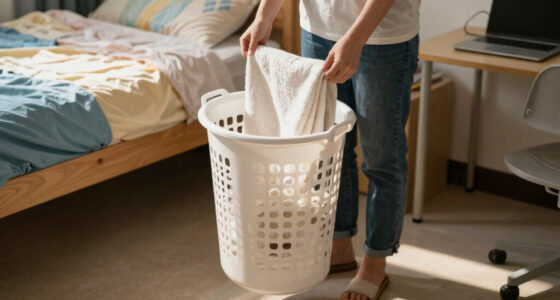
| Monday | Wash clothes and linens | Bed, hamper, laundry area | 15 min | Separate personal loads |
| Wednesday | Vacuum or sweep | Open floor and under desks | 15 min | Rotate the floor owner weekly |
| Friday | Bathroom touch-up | Sink, fixtures, toilet exterior | 10 min | Pair with trash rotation |
| Sunday | Dust and wipe surfaces | Desks, shelves, counters | 20 min | Both roommates reset together |
Adapt frequencies to your dorm’s facilities, occupancy, health needs, and housing policies.
Turn an agreement into a repeatable habit
A fair system needs more than a chore list. Agree on what “done” means, make ownership visible, and reset the plan without blame when schedules change.
Talk
Discuss standards, constraints, and shared priorities.
Divide
Match chores by effort and rotate unpopular tasks.
Display
Post the schedule or add recurring digital reminders.
Complete
Use short time blocks and mark each task finished.
Review
Adjust the plan when workloads or routines shift.
Spend cleaning time where it matters most
The bars show a practical weekly priority mix rather than rigid scientific thresholds. High-touch hygiene and clutter control deserve the most frequent attention.
Weekly cleaning focus
Use this as a planning guide when time and storage are limited.
Clean by contact and traffic
Start with the places used by the most people, most often. This keeps visible messes manageable while concentrating disinfection where germ transfer is more likely.
Door handles and light switches
Shared hands touch them repeatedly, so include them in the fastest daily wipe.
Kitchen and desk counters
Clean spills and food residue promptly to control odors and sticky buildup.
Bathroom sink and fixtures
Regular attention limits residue and keeps shared washing areas ready to use.
Floors, shelves, and hidden edges
Schedule lower-contact zones after urgent hygiene and clutter tasks are complete.
The three-rule dorm reset
Make the easiest action the default. Accessible supplies, immediate cleanup, and clear housing guidance prevent small issues from turning into large ones.
Clean as you go
Wipe counters after food preparation, put belongings away immediately, and remove full trash before odors develop.
Keep supplies compact
Choose multi-purpose products and store them in one caddy. Restock wipes, cloths, and bags before they run out.
Check dorm policies
Confirm permitted products, aerosol restrictions, trash procedures, and shared-space expectations with housing staff or your RA.
How to Build a Cleaning Routine That Actually Works
Starting with a clear plan is key. Dorm rooms don’t need daily deep cleans, but regular small efforts prevent messes from spiraling out of control. For example, vacuuming twice a week and wiping surfaces every other day keeps dirt and germs at bay.
Set specific days for different tasks—Mondays for laundry, Wednesdays for vacuuming, Sundays for surface cleaning. Use a calendar or app to remind yourself. Consistency turns chores into habits, making them less of a hassle.
Here’s a simple schedule to try:
| Day | Task |
|---|---|
| Monday | Wash clothes & linens |
| Wednesday | Vacuum & sweep |
| Sunday | Dust surfaces & wipe down counters |
As an affiliate, we earn on qualifying purchases.
Share Chores Fairly — Keep Roommate Conflicts Out of Cleanings
Sharing chores isn’t just fair; it’s smart. Dorms often have rules or expectations about shared space responsibility. When everyone pulls their weight, conflicts drop and cleanliness improves.
Start with an open chat about who’s responsible for what. Use a chore chart or app to track tasks—this keeps everyone accountable. For example, assign one person to take out trash each evening, another to wipe down the bathroom sink.
Clear communication is crucial because it helps prevent misunderstandings that can lead to resentment. If someone forgets a chore, a gentle reminder is more effective than confrontation. This approach promotes a respectful environment where everyone understands their role.
Why does this matter? Fair chore distribution ensures no one feels overburdened, which can lead to resentment or neglect. It also teaches valuable life skills like responsibility, negotiation, and teamwork—traits that are useful far beyond college.
As an affiliate, we earn on qualifying purchases.
Use Visual Tools to Keep Your Cleaning on Track
Visual tools turn vague chores into clear, manageable tasks. Checklists, calendars, and reminder apps make it impossible to forget important cleaning days.
For example, hang a printable chore chart on your door or set recurring reminders on your phone. Seeing tasks listed and scheduled reinforces your commitment and helps you visualize your progress, which can boost motivation.
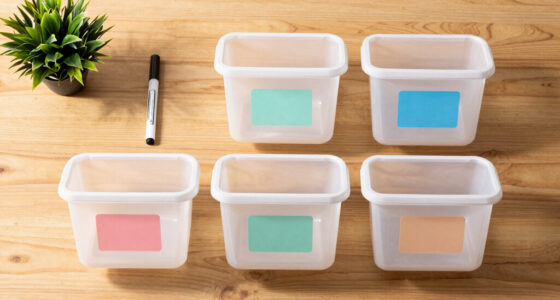
Some students enhance this by combining a whiteboard with color-coded labels—green for laundry, red for trash—to quickly identify what’s due. This instant recognition reduces decision fatigue and streamlines your routine.
Regularly updating your tools keeps cleaning front and center, making it part of your routine instead of an afterthought. When tasks are visually organized, they become habits that are easier to maintain, even during busy weeks.
As an affiliate, we earn on qualifying purchases.
Prioritize High-Traffic Areas to Keep Germs Away
High-touch spots like doorknobs, light switches, and kitchen counters get dirty fast—and spread germs. Cleaning these areas regularly is the best way to stay healthy, especially during cold and flu season.
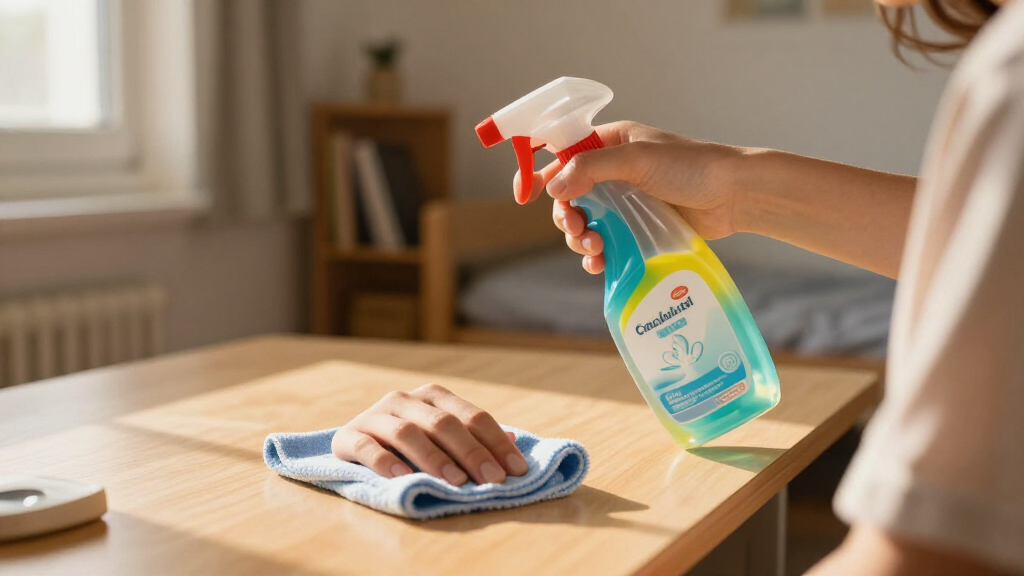
Disinfecting these zones isn’t just about appearance; it’s about reducing the transmission of bacteria and viruses that can cause illness. For example, disinfect door handles daily because they are touched dozens of times a day, increasing the risk of germ transfer. Wiping down the bathroom sink and toilet twice a week prevents bacterial buildup that can lead to infections.
Focusing on these zones is a strategic health measure. Neglecting them can result in higher rates of sickness, which disrupts your routine and affects everyone in the dorm. Regular disinfection creates a safer environment, and integrating this into your schedule ensures it becomes a consistent habit rather than an afterthought.
high-touch surface disinfectant spray
As an affiliate, we earn on qualifying purchases.
As an affiliate, we earn on qualifying purchases.
Stock Up on Cleaning Supplies That Fit Your Space
Having the right supplies makes cleaning less of a chore. In a dorm, space is limited, so choose multi-purpose, compact products that cover multiple needs.
Essentials include disinfectant wipes, a microfiber cloth, a small broom or handheld vacuum, and trash bags. For example, a 9×12-inch pack of disinfectant wipes fits easily in a desk drawer and cleans multiple surfaces efficiently.
Keep supplies in a dedicated bin or small caddy for quick access. Regularly replenish them so you’re never caught unprepared when messes happen. This organization reduces the mental barrier to cleaning, making it more likely you’ll tackle messes promptly.
Choosing space-efficient tools not only saves room but also encourages regular use. When supplies are accessible and manageable, students are more likely to incorporate quick cleanups into their routine, preventing dirt buildup and making maintenance less daunting.
Time Management Tips to Keep Cleaning from Taking Over Your Day
Efficient time management prevents chores from piling up. Dedicate short, focused blocks—10 to 15 minutes—to cleaning tasks, which makes the process feel less overwhelming and more achievable.
For example, set a timer after breakfast to wipe down surfaces or before bed to take out trash. Incorporating these routines into daily habits ensures chores become a seamless part of your schedule rather than a burdensome chore.
Breaking chores into small chunks helps prevent burnout and makes cleaning feel more manageable. When chores are quick and routine, they interfere less with study or social activities, and maintaining a clean environment becomes a natural part of your day.
Know Your Dorm’s Cleaning Rules — Stay Out of Trouble
Every dorm has its own policies on cleaning supplies, trash disposal, and shared space rules. Following these guidelines is crucial to avoid penalties and ensure smooth living arrangements.
Check your dorm handbook or ask your RA about permitted cleaning products and trash procedures. For example, some dorms restrict aerosol sprays or require sealed trash bags to prevent odors and pest issues.
Understanding and adhering to these rules isn’t just about avoiding fines; it also demonstrates respect for shared spaces and dorm management. Compliance fosters good relationships with staff and neighbors, creating a more harmonious environment. Being informed and respectful of these policies shows responsibility and helps you navigate dorm life smoothly, preventing unnecessary conflicts or disruptions.
Quick Tips for Cleaning Smarter, Not Harder
Use multi-purpose cleaners to save time and space. Clean as you go—wiping counters after cooking or tidying clutter immediately avoids big messes that are harder to clean later.
Focus on high-touch areas daily, like door handles and light switches, to reduce germ spread. Reserve deep cleans for weekends or less busy days to maintain a balanced routine.
Put on some music or listen to a podcast while cleaning—it can make chores feel less like a chore and more like a productive break. These habits help embed cleaning into your daily routine, making it feel less burdensome over time.
By adopting efficient habits and focusing on key areas, you minimize the effort needed to keep your dorm tidy, freeing up more time for relaxation or studying, and reducing the mental load associated with cleaning.
Keep Your Dorm Smelling Fresh Without Overdoing It
A fresh-smelling dorm makes your space inviting and more comfortable. Regular trash disposal, ventilation, and odor-neutralizing strategies contribute significantly to a pleasant environment.
Taking out trash daily prevents odor buildup, and opening windows when weather permits allows fresh air to circulate, reducing indoor pollutants. Using odor-neutralizing sprays or placing a bowl of baking soda in the corner can absorb lingering smells, keeping the space smelling clean.
Maintaining a fresh scent isn’t just about masking odors; it’s about creating a healthier environment. Proper ventilation reduces indoor pollutants, and neutralizing odors at their source prevents unpleasant smells from taking over. These small, consistent habits contribute to a more inviting living space, improving your overall mood and comfort while reducing reliance on artificial fragrances. The impact is both psychological and physical—fresh smells boost mood and promote a sense of cleanliness that encourages ongoing maintenance.
Frequently Asked Questions
How often should I clean my dorm room?
Ideally, do a quick tidy-up daily—wiping surfaces and taking out trash—and a deeper clean weekly. This routine keeps dirt and germs at bay without taking up too much time.
What are the must-have cleaning supplies for dorms?
Basic essentials include disinfectant wipes, microfiber cloths, a small broom or handheld vacuum, and trash bags. Choose compact, multi-purpose products to save space.
How do I motivate roommates to help with cleaning?
Set clear expectations early, create a chore schedule, and use a shared tracking system. Making cleaning a team effort helps everyone stay committed and reduces conflicts.
Are there dorm rules about cleaning products?
Yes, check your dorm’s policies—some ban aerosols or require sealed containers. Always follow these guidelines to avoid penalties and keep things running smoothly.
What’s a quick trick to keep my dorm smelling fresh?
Dispose of trash daily, ventilate regularly, and use odor-neutralizing sprays or baking soda. These simple steps keep your space inviting without overpowering scents.
Conclusion
Sticking to a simple, organized cleaning plan transforms dorm cleaning from a daily headache into an easy routine. When chores are predictable and shared fairly, your space stays healthier and more inviting.
Remember, a clean dorm isn’t just about appearance—it’s about feeling comfortable and safe. Put these tips into action and turn cleaning into a habit that serves your busy college life.