
TL;DR
College students should pack versatile clothing, essential tech, safety gear, and stay connected with apps and digital payments. Recent trends include contactless payments, eco-travel options, and flexible booking. Follow these tips for confident, responsible travel.
Traveling during college often feels like a balancing act—packing light but packing everything you might need. Whether it’s a weekend trip or a semester abroad, the right essentials make all the difference. The goal? Be prepared, stay safe, and keep it simple.
In this guide, you’ll find practical tips, recent trends, and real-world examples to help you pack smarter, travel cheaper, and stay secure. Getting it right now sets you up for smooth adventures and fewer headaches later.
Create a versatile packing list with clothing, tech, and safety essentials to avoid overpacking.
Utilize student discounts and compare transportation options to save money on travel.
Keep valuables secure with anti-theft gear and always trust your instincts.
Stay connected with offline maps, digital payments, and portable Wi-Fi for smooth travel.
Travel sustainably by refilling water bottles, using public transport, and supporting local businesses.
Travel Essentials for College Students
Pack versatile layers, protect the essentials, compare every fare, and build a digital backup plan. The smartest student trips are light, connected, affordable, and ready to change course.
Be prepared, stay safe, and keep it simple.
Five categories. One lighter bag.
For a five-day or week-long trip, prioritize items that solve more than one problem. Layers beat single-use outfits, and organized essentials beat “just in case” clutter.
Versatile clothing
- Comfortable jeans
- Layering tops
- Warm hoodie
- Rain jacket
- Walking shoes
Essential tech
- Smartphone
- Charging cable
- Power bank
- Headphones
- Travel adapter
Documents
- Student ID
- Passport or ID
- Tickets
- Booking details
- Visa documents
Health & safety
- Medications
- Mini first aid kit
- Hand sanitizer
- Emergency contacts
- Insurance details
Personal kit
- Reusable bottle
- Compact toiletries
- Trail mix or bars
- Reusable bag
- Small daypack
Cheap is only useful when it fits the trip.
Compare total price, travel time, baggage rules, and change policies. Student discounts can improve the deal, while flexible dates often unlock better choices.
| Transport | Average cost | Travel time | Best fit |
|---|---|---|---|
| BUS | $15–$30 | 4–6 hours | Lowest-cost option |
| TRAIN | $30–$50 | 3–5 hours | Comfort + city-center access |
| BUDGET FLIGHT | $50–$150 | 1–2 hours | Longer distances |
Stay connected—even when the signal disappears.
Prepare the phone before departure. Connectivity, payment access, and stored documents can keep a minor disruption from becoming a major problem.
Offline maps
Download destination areas in advance and save accommodation, station, campus, and emergency locations.
Reliable access
Check roaming options, local SIMs, eSIM availability, or a portable hotspot for low-coverage areas.
Cloud copies
Store protected copies of IDs, tickets, insurance, bookings, and emergency contacts separately.
Protect the trip, not just the bag.
The goal is layered protection: make valuables harder to access, keep backups separate, and know what to do before an emergency happens.
Lock the access points
Choose lockable zippers, hidden compartments, and secure hostel or hotel storage.
Split valuables
Keep backup cash, a second card, and ID copies away from the originals.
Know the numbers
Save local emergency services, accommodation contacts, and your bank’s support line.
Review insurance
Understand coverage for medical care, cancellations, delays, and lost possessions.
Small sustainable choices compound.
Eco-conscious travel can reduce waste and daily costs while creating a closer connection to the destination and its local economy.
One smart decision supports the next.
Five rules to leave with
Build a flexible packing list around clothing, technology, documents, health, and daily-use essentials.
Compare price, time, baggage, and flexibility—then apply every student discount available.
Use anti-theft gear, split valuables, save emergency contacts, and listen to your instincts.
Prepare offline maps, digital payments, protected document copies, and backup connectivity.
Refill, walk, use public transit, reduce waste, and support businesses rooted in the destination.
What to Pack (And What Not to Forget) for a College Trip
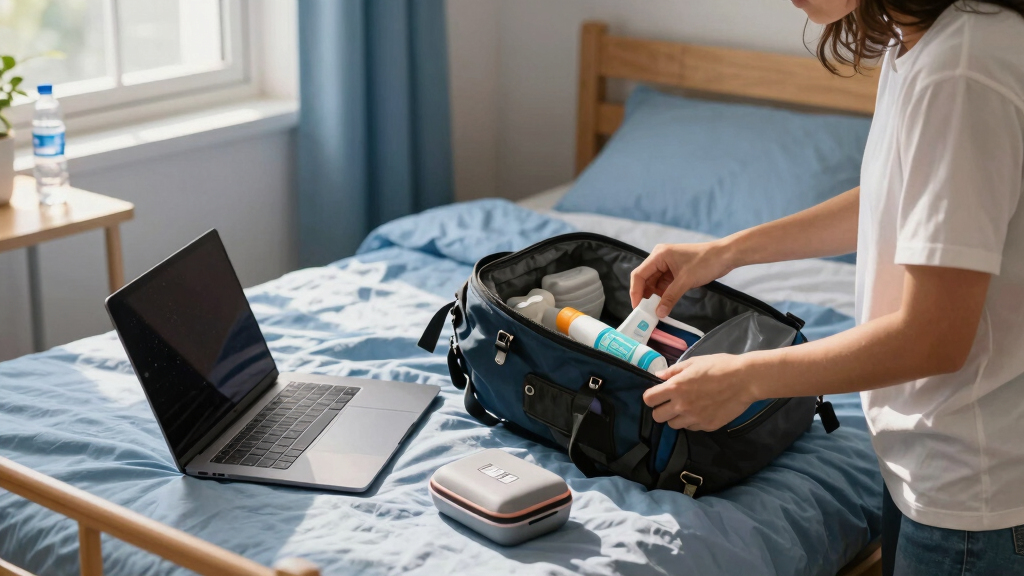
Imagine packing for a 5-day trip. You want enough outfits for weather changes, but not so much that your bag becomes a burden. Think versatile layers: a hoodie, a rain jacket, and some comfortable jeans. Don’t forget your smartphone, charger, and power bank—those are your lifelines.
Include a small first aid kit, personal medications, and a reusable water bottle. Snacks like trail mix or granola bars can save you when hunger strikes between meals. And pack a small backpack or daypack for daily excursions.
Pro tip: Use packing cubes to organize and save space—your suitcase becomes a well-oiled machine. Keep your travel documents (student ID, tickets, hotel confirmation) in an easily accessible spot.
Why does this matter? Proper packing ensures you’re prepared for unexpected weather, minor injuries, or sudden changes in plans. Overpacking can weigh you down and cause stress, while underpacking might leave you unprepared. Balancing these tradeoffs is key to a smooth trip.
As an affiliate, we earn on qualifying purchases.
How to Find Cheap Flights, Buses, and Trains
Travel costs can eat into your budget fast. Use student discounts on airlines, buses, and trains—many offer 10-20% off with a valid student ID. Websites like StudentUniverse or the student travel sections of major carriers are gold mines.
Compare options side-by-side: a flight might be faster but pricier, while a bus could save you $50 but take longer. For example, a round-trip bus ticket from Boston to New York costs around $20, while a flight can be $150.
Plan ahead. Booking tickets 3-4 weeks in advance often cuts costs. Flexibility with travel dates can also save you big bucks. However, consider the tradeoff: earlier bookings might limit your flexibility if plans change, so weigh the savings against potential inconvenience.
Why does this matter? Understanding these tradeoffs helps you maximize your budget while minimizing stress. Early bookings often secure better prices but can restrict spontaneous decisions, which might be important for some students. Comparing options ensures you choose the best balance of cost, time, and flexibility.
| Transport Type | Average Cost | Time |
|---|---|---|
| Bus | $15-$30 | 4-6 hours |
| Train | $30-$50 | 3-5 hours |
| Budget Flight | $50-$150 | 1-2 hours |
As an affiliate, we earn on qualifying purchases.
Staying Connected and Managing Money Abroad
Reliable Wi-Fi and digital payment methods are game changers. Download offline maps on Google Maps or Apple Maps—think of them as your travel GPS backup. Using apps like Venmo, PayPal, or your bank’s mobile app makes splitting bills and paying for stuff effortless.
Carry a mix of cash and cards. For instance, some small vendors or local markets prefer cash, especially abroad. Also, check if your bank offers no-fee foreign transactions to avoid surprise charges.
Why does this matter? Staying connected and managing money digitally simplifies your trip, especially in unfamiliar environments. It reduces the risk of losing access to funds or getting stranded without payment options. Carrying cash is necessary in some cases, but relying solely on cash can be inconvenient and risky if lost. Balancing cash and digital payments ensures flexibility and security in diverse situations.
Pro tip: Set up travel alerts with your bank to prevent account freezes and keep a list of emergency contacts handy. Consider getting a portable Wi-Fi hotspot if you’ll be in areas with spotty Wi-Fi coverage.
As an affiliate, we earn on qualifying purchases.
How to Keep Your Valuables Safe During Travel
Keeping valuables secure is a top priority. Use a theft-proof backpack with lockable zippers and hidden compartments. Never leave your wallet or phone unattended, especially in crowded places like train stations or tourist spots.
In hotels or hostels, use the safe or lock your belongings in your luggage. Carry a small, discreet pouch for cash and cards inside your pocket or bag.
In case of emergencies, have a list of local emergency numbers, and keep copies of your passport and ID separate from the originals. Travel insurance can be a lifesaver if valuables go missing or you face unexpected issues.
Why does this matter? Protecting your valuables isn’t just about preventing theft—it’s about maintaining peace of mind. Losing important documents or valuables can derail your entire trip, cause financial loss, or lead to identity theft. Taking proactive safety measures minimizes these risks and ensures your focus remains on enjoying your travels.
“Always trust your gut—if a place or situation feels off, leave and seek help.”
eco-friendly water bottle for travel
As an affiliate, we earn on qualifying purchases.
As an affiliate, we earn on qualifying purchases.
Eco-Friendly Travel Tips That Save You Money
Traveling sustainably isn’t just good for the planet—it can also save you cash. Bring a reusable water bottle and refill it instead of buying bottled water. Use public transportation or walk whenever possible—think of it as a free tour of the city.
Choose eco-friendly accommodations that prioritize sustainability—many now offer incentives for green travelers. Supporting local businesses, from cafes to markets, reduces your carbon footprint and enriches your experience by connecting you more deeply with the community.
Recent surveys show that 65% of students are willing to pay a little more for eco-friendly options because they recognize the long-term benefits. Small choices, like using a reusable bag or opting for eco-certified hotels, add up and can influence industry standards. This not only helps the environment but often leads to cost savings, like discounts for green practices or avoiding unnecessary waste.
Why does this matter? Incorporating eco-friendly habits aligns with responsible travel, enhances your experience, and can be budget-friendly if you prioritize sustainable options. The tradeoff is often minimal effort for significant environmental impact, making it a win-win.
Frequently Asked Questions
What should I pack for a week-long college trip?
Pack versatile clothing suitable for weather changes—think layers. Include your smartphone, charger, reusable water bottle, personal medications, and snacks. A small backpack for daily outings is essential. Keep travel documents handy, and don’t forget your first aid kit.
How can I find affordable travel options as a student?
Use student discounts on airlines, buses, and trains—sites like StudentUniverse help. Compare options for cost and time, book early, and stay flexible with dates. Budget airlines and ride-sharing apps also offer affordable alternatives.
What safety tips should I follow while traveling alone?
Use theft-proof luggage and keep valuables close. Trust your instincts—if a situation feels off, leave and seek help. Have emergency contacts saved, carry a copy of your ID, and consider travel insurance for peace of mind.
Are there specific travel discounts for students?
Yes, many airlines, buses, and attractions offer student discounts—often 10-20%. Always carry your student ID and check online in advance. Websites like STA Travel and student discount platforms are great resources.
How do I stay connected and manage my money abroad?
Download offline maps, use digital wallets like Apple Pay or Google Pay, and keep a backup of important documents. Carry a mix of cash and cards, and set up alerts with your bank to prevent issues. Portable hotspots can help in areas with poor Wi-Fi.
Conclusion
Travel smart, pack light, and stay aware. Your college years are the perfect time to explore—do it responsibly, confidently, and with a plan. The world’s waiting—are you ready to go?
Remember, good preparation transforms travel from stressful to memorable. Pack your essentials, stay safe, and make every trip count.