
TL;DR
Freshmen who adopt effective study tools like planners, active note-taking, and digital apps boost retention and reduce stress. Recent tech advances like AI aids and adaptive platforms make learning smarter and easier. Focus on organization, active learning, and wellness to thrive academically.
Starting college can feel like jumping into a whirlwind. Deadlines, new routines, and the sheer volume of info can overwhelm anyone. But what if a few simple tools could turn chaos into clarity?
This guide reveals the study tech every freshman needs—no fluff, just proven strategies to help you stay focused, organized, and confident. Whether you’re battling procrastination or trying to remember all those facts, these tips can make your college journey smoother and more successful.
Use digital planners and the Pomodoro Technique to keep your schedule on track.
Implement active note-taking and self-quizzing to reinforce your memory.
Set up a dedicated, distraction-free study space for maximum focus.
Leverage digital tools like Zotero and focus apps to boost productivity.
Prioritize wellness with breaks, exercise, and mindfulness to prevent burnout.
Essential Study Tech Every Freshman Needs
College can feel like a whirlwind of deadlines, unfamiliar routines, and nonstop information. The right system turns that chaos into clarity: plan deliberately, learn actively, protect your focus, and give your brain enough recovery to perform.
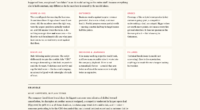
Five tools that turn effort into progress
Start with a small, connected toolkit. Each tool should remove friction from one part of the learning cycle: planning, capturing, recalling, focusing, or recovering.
Planner + calendar
Block classes, study sessions, assignments, and breaks before the week becomes crowded.
Google Calendar · Todoist · Paper plannerActive notes
Transform lectures into cues, structured ideas, diagrams, and short summaries you can retrieve later.
Cornell · OneNote · Notion · Mind mapsSpaced repetition
Review information at increasing intervals and quiz yourself instead of repeatedly rereading.
Anki · Quizlet · Self-testingDistraction control
Silence notifications, move the phone out of reach, and block tempting sites during study sprints.
Forest · Freedom · Focus modeAcademic workflow
Keep assignments, sources, citations, and course resources searchable and connected.
Canvas · Blackboard · Zotero · DatabasesWellness support
Schedule movement, sleep, mindfulness, and real breaks as essential parts of the learning system.
Headspace · Calm · Campus supportMove knowledge from lecture to long-term memory
Retention improves when every study session produces an action: a question, an explanation, a connection, or a scheduled review.
Study in cycles, not marathons
Focused intervals reduce mental drift. Active techniques then make each interval more productive by forcing your brain to retrieve and reorganize information.
Four rounds. One longer reset.
Choose one clear task, remove distractions, work until the timer ends, then step away. After four rounds, take a longer break.
A freshman-ready technology matrix
No single app does everything. Match the tool to the job, keep the stack lean, and avoid duplicating the same information across multiple platforms.
| Tool category | Best use | Organization | Active recall | Focus | Freshman move |
|---|---|---|---|---|---|
| Calendar / Todoist | Deadlines and time blocks | ✓ Strong | ✗ Limited | ~ Indirect | Plan the week every Sunday |
| OneNote / Notion | Multimedia notes | ✓ Strong | ~ With setup | ~ Variable | End each lecture with a summary |
| Anki / Quizlet | Flashcards and retrieval | ~ Moderate | ✓ Excellent | ✓ Strong | Create cards from missed questions |
| Zotero | Sources and citations | ✓ Excellent | ✗ Limited | ~ Indirect | Save sources while researching |
| Forest / Freedom | Distraction blocking | ✗ Limited | ✗ Limited | ✓ Excellent | Run during every focus sprint |
| AI / Adaptive platforms | Explanation and practice | ~ Variable | ✓ Strong | ~ Variable | Verify outputs and show your work |
Use AI as a tutor
Ask for explanations, practice questions, feedback, or alternative examples. Check facts against course materials and follow your institution’s academic-integrity rules.
Keep your judgment active
Do the thinking that produces learning. If a tool replaces retrieval, reasoning, or writing practice, it may save time today while weakening exam readiness tomorrow.
Turn the toolkit into a repeatable routine
A reliable system is more valuable than a complicated one. Set up these five habits once, then refine them as you learn how your courses operate.
Build one master calendar
Add every syllabus deadline, class, exam, and recurring review block.
Create one note template
Use cues, main notes, and a short summary for every lecture.
Start a question bank
Convert key concepts and mistakes into flashcards or practice prompts.
Claim a focus zone
Choose a quiet, well-lit space and define a phone-free study rule.
Protect recovery time
Schedule sleep, movement, meals, breaks, and social time before burnout appears.
Review the system weekly
Keep what improves learning, remove unused tools, and adjust overloaded weeks.
Your brain is part of the technology stack
Chronic stress can impair memory, concentration, and decision-making. A short walk, adequate sleep, regular meals, exercise, and mindfulness preserve the cognitive resources your tools are meant to support. If overwhelm persists, contact campus counseling, academic advising, or student support services early.
How to Manage Your Time Like a Pro
Time management is the backbone of college success. The moment you learn to plan your day, you’re already ahead.
Use a digital or paper planner—whatever suits your style. Block out study times, classes, and breaks. Apps like Google Calendar or Todoist sync across devices and send reminders.
Try the Pomodoro Technique: 25 minutes of focused work, 5-minute break. After four rounds, take a longer break. This keeps your mind fresh and prevents burnout.
Imagine sitting in your dorm, headphones on, focused on a chapter, then stepping outside for a quick walk. That’s efficient time working for you.
As an affiliate, we earn on qualifying purchases.
Master These Note-Taking Hacks to Remember More
Effective note-taking turns passive listening into active learning. The Cornell method, mind maps, and digital apps are your friends here.
For example, during lectures, jot down main ideas and keywords. Later, use the Cornell method: divide your page into cues, notes, and a summary. This structure helps reinforce learning.
Apps like OneNote or Notion let you embed images, links, and voice recordings—making your notes more engaging. Imagine reviewing colorful mind maps that connect concepts visually—easier to recall under pressure.
Try self-quizzing using flashcards—Quizlet is perfect for quick, on-the-go review. Repetition cements memories better than re-reading.
Deep note-taking enhances retention because it transforms listening into an active process, requiring you to process and organize information. This active engagement makes the material more meaningful, leading to better understanding and recall. The tradeoff is that it takes more initial effort, but the long-term payoff in exam performance is worth it.
As an affiliate, we earn on qualifying purchases.
Active Learning: The Secret Weapon for Better Grades
Passive reading won’t cut it—active learning makes concepts stick. Self-quizzing, teaching others, and applying ideas deepen understanding.
For instance, after studying a chapter, quiz yourself with flashcards or write a quick summary without looking. Teaching a friend about a tough topic also reinforces your knowledge.
Use tools like Anki or Quizlet for spaced repetition—review cards at increasing intervals to lock info into long-term memory.
Imagine explaining a tricky physics concept to a roommate or creating a quick diagram. That’s active learning in action, making your study time more effective.
Active learning shifts your role from passive recipient to active participant, which is crucial for mastering complex subjects. The tradeoff is that it requires more effort and discipline, but it results in deeper understanding and better grades, especially when preparing for exams that test conceptual understanding rather than rote memorization.
As an affiliate, we earn on qualifying purchases.
Create a Study Environment That Actually Works
Your surroundings can make or break your focus. A clutter-free, quiet space with good lighting boosts productivity.
Find a corner in the library, a dedicated desk in your dorm, or a local coffee shop where you’re less likely to be distracted. Use noise-canceling headphones if needed.
For example, turn off social media notifications, and keep your phone out of reach while studying. This minimizes interruptions and keeps you in the zone.
Joining a study group in a quiet corner also adds accountability and makes learning more social and fun.
Creating a dedicated study space reduces the cognitive load associated with switching between different environments and distractions. It signals to your brain that it’s time to focus, which can improve concentration and productivity. The tradeoff is that finding and maintaining this space requires effort, but the payoff is a more focused and efficient study session.
As an affiliate, we earn on qualifying purchases.
Digital Tools That Turn Tech Into Your Study Ally
Freshmen should leverage digital platforms to stay organized and efficient. Learning management systems like Canvas or Blackboard contain all your assignments, grades, and resources.
Productivity apps such as Zotero for citations, or research databases, streamline your work. For example, Zotero automatically saves and formats references, saving hours of manual work.
Focus apps like Forest or Freedom block distracting sites during study sessions, helping you stay on track. Imagine planting a virtual tree that grows only when you resist social media—motivating you to stay focused.
Using these tools can double your efficiency and free up time for relaxing or socializing.
Digital tools extend your capacity to organize, access, and focus, reducing the mental clutter that can hinder productivity. However, reliance on technology also means you need to develop discipline to avoid overuse or distraction. When used wisely, these tools amplify your ability to study smarter, not harder.
Stay Calm and Keep Your Brain Happy with Wellness Tips
Stress can crush your motivation and memory. Integrate breaks, exercise, and mindfulness into your routine to stay balanced.
For example, a quick 10-minute walk around campus clears your head. Try mindfulness apps like Headspace or Calm to reduce anxiety before exams.
Recognize signs of burnout—fatigue, irritability, lack of focus—and take action early. Remember, your brain needs rest and nourishment to perform at its best.
Picture finishing a tough study session, then taking a deep breath outside, feeling the cool air fill your lungs. That’s mental reset magic.
Prioritizing wellness isn’t just about feeling good; it’s about preserving your cognitive resources. Chronic stress impairs memory and decision-making, so adopting habits like regular exercise, adequate sleep, and mindfulness can significantly enhance your academic performance. The tradeoff is scheduling time for self-care, but the long-term benefits include better focus, resilience, and mental health.
Recent Tech Boosts That Make Studying Smarter
AI tools like ChatGPT now help brainstorm ideas, explain tough concepts, or even draft essays. Adaptive platforms like Khan Academy personalize learning, adjusting to your pace.
Multimedia notes that combine videos, images, and audio make studying engaging. Distraction-blocking apps like Freedom or Forest help you stay focused during marathon sessions.
Data analytics from study platforms show that students who use spaced repetition and multimodal learning retain 50% more info, according to recent studies.
Imagine having a virtual tutor that adapts to your weaknesses and guides you through difficult topics—that’s the new frontier in study tech.
These technological advances are transforming the way students learn, making it more interactive, personalized, and efficient. However, over-reliance on tech can sometimes lead to superficial understanding, so it’s important to balance digital tools with active engagement and reflection. The tradeoff is investing time to learn these tools, but the payoff is a more adaptive, effective study process that can significantly boost your academic performance.
Frequently Asked Questions
What is the most important study tool for freshmen?
Time management tools like digital planners or calendars are the foundation. They help you stay organized, meet deadlines, and reduce last-minute stress.
How can I make my note-taking more effective?
Use active methods like Cornell Notes or mind maps, and incorporate multimedia if possible. Review your notes regularly and quiz yourself to reinforce learning.
What tech apps should I start with?
Begin with a good calendar app (Google Calendar), a note app (Notion or OneNote), and a distraction blocker (Forest). These are free, easy to use, and highly effective.
How do I avoid burning out?
Balance study with wellness—schedule breaks, stay active, and practice mindfulness. Recognize signs of fatigue early and give yourself permission to rest.
Can AI really help with studying?
Yes. AI tools like ChatGPT can assist with brainstorming, explanations, and writing. They’re a great supplement to your regular study routine, making learning more interactive and personalized.
Conclusion
Your best college days start with mastering these simple but powerful study tools. Think of your study tech as a set of keys—each unlocks a new level of clarity, confidence, and success.
Pick one or two to focus on now, and watch your grades and stress levels improve. Your college adventure is about to get a whole lot smoother.
Fall Picks
fall essentials
As an affiliate, we earn on qualifying purchases.