
TL;DR
The best dorm desk charging stations combine multiple outlets, USB ports, safety features, and space-efficient designs. Recent trends include wireless charging and smart tech, making charging safer and more convenient.
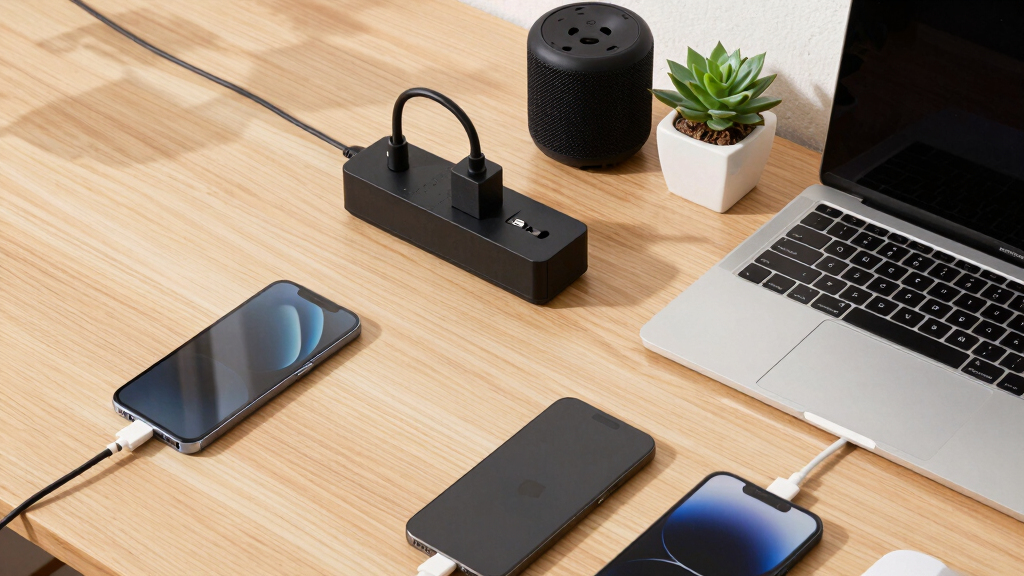
Imagine your dorm desk, cluttered with cables, adapters, and chargers. It’s chaos waiting to happen—and a nightmare for space-starved desks. The good news? A well-chosen power and charging station can clear the clutter, keep everything powered, and boost safety.
In this guide, you’ll learn how to pick a station that fits your space, protects your devices, and keeps your tech ready for every class and late-night study session. Ready to turn that desk into a sleek charging hub? Let’s dive in.
Prioritize safety features like surge protection and safety certifications to protect your devices.
Choose compact, space-efficient designs—vertical towers or multi-tier stations fit better on tiny dorm desks.
Aim for stations with at least 6 outlets and 4 USB ports to support multiple devices simultaneously.
Consider smart or wireless charging options to reduce cable clutter and boost convenience.
For students on the move, portable stations under 2 pounds with built-in surge protection offer flexibility without sacrificing safety.
Best Power and Charging Stations for Dorm Desks
Turn a cable-cluttered desk into one safe, compact charging hub. The ideal station balances enough outlets, modern USB charging, certified protection and a footprint that leaves room for the work that matters.
Build the station around your desk—not the other way around.
A compact station should handle today’s devices, leave room for one or two additions and prevent the constant unplugging that wears down sockets.
Enough connections
Aim for at least six AC outlets and four USB ports. This supports a laptop, phone, watch, speaker, lamp and peripherals from one organized point.
Vertical beats sprawling
Towers and multi-tier designs add ports upward rather than across the desk. They are particularly useful beside monitors or narrow shelving.
Certified safety first
Prioritize surge protection, overload shutoff, fire-resistant construction and a recognized UL or ETL certification mark.
USB-C Power Delivery
USB-C PD can fast-charge compatible phones, tablets and laptops. Check the output of the individual port—not only the combined total.
Cable management
Routing channels, clips and short charging leads prevent tangles, accidental pulls and a pile of adapters from taking over the workspace.
Light but stable
Frequent movers should look below two pounds, while desk-bound users benefit from a weighted base, non-slip feet and sturdy housing.
Four steps to a dorm-ready setup.
Start with physical space, then map devices and power needs. This prevents buying a station that fits electrically but fails spatially.
Map the usable desk zone
Note width, depth, shelf clearance and the distance to the wall outlet.
Count every connection
Include daily devices, occasional accessories and at least one spare port.
Check ratings and safety
Confirm certification, surge protection, USB output and maximum load.
Create one clean cord path
Keep cables away from chair wheels, walkways and hot surfaces.
Suggested capacity by desk setup
Desk-width planning scale
Common station range: 6–12 inchesWhich station style fits your routine?
The best format depends on whether your priority is maximum capacity, minimum footprint, rapid charging or easy relocation.
| Station type | Desk efficiency | Best use | Typical strength | Watch for |
|---|---|---|---|---|
| Vertical tower | ✓ Excellent | Tiny desks | Many ports, small footprint | Stability and overall height |
| Flat desktop strip | ~ Moderate | Easy-access setups | Simple plug visibility | Uses more horizontal space |
| USB-C charging hub | ✓ Excellent | Phones, tablets, laptops | Fast charging, fewer bricks | May offer few or no AC outlets |
| Wireless hybrid | ✓ Strong | Cable-light convenience | Drop-and-charge access | Alignment, heat and case compatibility |
| Travel power station | ~ Moderate | Frequent movers | Compact, lightweight design | Lower capacity or shorter cord |
| Daisy-chained strips | ✗ Poor | Not recommended | No meaningful advantage | Overload and fire risk |
✓ Strong fit ~ Depends on setup ✗ Avoid
Protection is a system, not a sticker.
A certified product is the starting point. Safe placement, realistic loads and routine inspection are equally important.
Look for a recognized certification
UL or ETL marks indicate testing against applicable safety requirements. Verify the mark and product listing.
Require surge protection
Surge circuitry helps shield electronics from sudden voltage spikes caused by faults or power disturbances.
Add overload protection
Automatic shutoff adds a safety layer when connected devices exceed the station’s safe operating limit.
Inspect cords and ventilation
Replace damaged equipment, keep vents open and avoid placing power hardware under fabric or bedding.
Smarter features are shrinking the cable pile.
Convenience features matter most after capacity and safety are covered. Choose extras that solve a real problem in your daily routine.
USB-C PD
Higher-output USB-C ports can replace separate adapters and charge compatible laptops, tablets and phones more quickly.
Wireless charging
A built-in pad creates an easy landing zone for compatible phones, reducing the number of loose leads on the desk.
Smart charging
Device-aware power management can optimize output across ports and reduce unnecessary energy use.
Organizer hybrids
Stations increasingly combine power, cable storage, device stands and small compartments in one compact unit.
Integrated lighting
Subtle nightlights make ports easier to find after dark without adding another lamp to a crowded surface.
Lower-impact builds
Recycled or more sustainable materials are emerging, though electrical safety and durability should remain decisive.
The clean-desk power chain
DR
Choose one certified, surge-protected station with at least six AC outlets and four USB ports. Favor a vertical or compact form, a 3–6 foot cord and useful cable management. Add USB-C PD, wireless charging or smart controls only when they match the devices you actually use.
Why your dorm desk needs a power station with multiple outlets
Most dorm desks are tiny—just enough for a laptop, textbooks, and maybe a lamp. Adding a dedicated power station means fewer tangled cords and less risk of overloading your outlets. Imagine plugging in your laptop, phone, Bluetooth speaker, and smartwatch—without crawling behind your desk or risking a fire.
Choose a station with at least 6 outlets and 4 USB ports. That way, your entire tech ecosystem stays charged without sacrificing space or safety. For example, a compact station measuring about 10 inches long and 3 inches wide can handle 8 devices comfortably.
Having multiple outlets isn’t just about convenience; it’s about reducing the risk of electrical overload. Overloading a single outlet or power strip can lead to overheating, which poses fire hazards. A dedicated station distributes power safely, minimizing this risk. Additionally, with multiple ports, you avoid the constant unplugging and replugging, which can wear out sockets over time. This setup promotes both safety and longevity for your devices and your dorm infrastructure.
Furthermore, investing in a station with multiple outlets ensures you won’t need to rely on potentially unsafe daisy-chained power strips, which are a common cause of electrical fires in dorms. Properly distributing power reduces the chance of overheating, short circuits, and electrical failures. It also makes your desk more organized, as you can keep all your cords in one safe, accessible location, preventing accidental unplugging or damage during busy study sessions.

10Ft Extension Cord with Multiple Outlets, Flat Plug Surge Protector Power Strip 10 Ft Long Cord, 8 Outlets & 4 USB Ports (2 USB C), Desk Charging Station for Home Office, College Dorm Room Essentials
- Number of Outlets and Ports: 8 AC outlets, 2 USB-C, 2 USB-A
- Design Layout: 4-sided outlet layout for accessibility
- Spacing Between Outlets: 1.65-inch space for large plugs
As an affiliate, we earn on qualifying purchases.
As an affiliate, we earn on qualifying purchases.
How to pick a power station that fits your tiny dorm space
- Measure your desk space accurately—most stations range from 6 to 12 inches wide. Knowing your available space helps prevent purchasing a station that’s too bulky or awkwardly shaped.
- Prioritize vertical or multi-tier designs to maximize outlets without taking up extra surface area. Vertical towers or multi-level stations can pack more ports into a small footprint, keeping your desk organized and free for studying or decorating.
- Check the cable length—aim for 3-6 feet to reach outlets comfortably without stretching cords across your workspace, which can create tripping hazards or accidental disconnections.
- Pick a design with built-in cable management to keep cords tidy, reducing clutter and preventing accidental unplugging or damage.
- Ensure it’s lightweight enough to move easily but sturdy enough to last the year. This balance allows flexibility and durability, so your station remains reliable throughout your college tenure.
Choosing the right size and design isn’t just about fitting in; it’s about creating a safe, efficient, and adaptable workspace. A well-measured, thoughtfully selected station minimizes clutter, reduces electrical risks, and makes daily charging effortless. Remember, a compact, multi-port station can be a game-changer for small desks, offering both convenience and peace of mind.
Keep in mind that the ideal station will also factor in your future needs—if you plan to add more devices, consider a slightly larger or more expandable model. Balancing size with functionality ensures your workspace remains uncluttered and safe, while still accommodating your growing tech ecosystem.

Surge Protector Outlet Extender – with Rotating Plug, 6 AC Multi Plug Outlet with 4 USB Ports (2 USB C), 1800J Wall Charger, 3-Sided Power Strip with Spaced Outlet Splitter for Home, Office, Travel
- 10-in-1 Power and USB Outlet: 6 AC outlets with 4 USB ports
- Surge Protection: 1800 Joules surge protector built-in
- Rotating Plug: 180-degree rotating AC plug
As an affiliate, we earn on qualifying purchases.
As an affiliate, we earn on qualifying purchases.
Safety first: Why surge protection and certifications matter
Safety features aren’t just bells and whistles—they’re critical for protecting your expensive tech and ensuring your dorm remains safe. Surge protection acts like a shield against voltage spikes, which can occur during thunderstorms, power surges, or electrical faults. Without this safeguard, a sudden spike can fry your laptop, phone, or other electronics, leading to costly repairs or replacements.
Look for certifications like UL (Underwriters Laboratories) or ETL (Intertek), which indicate the product has undergone rigorous safety testing. These marks aren’t just labels—they’re assurances that the station meets strict safety standards, reducing risks like electrical fires, short circuits, or overheating. Investing in a certified station is a proactive step toward ensuring your safety and that of your belongings.
Additionally, understanding the limitations of your power station is important. Overloading a station or connecting too many high-wattage devices can still pose risks, even with safety features. For example, a station rated for 100W may still be overwhelmed if multiple high-power devices draw more than its capacity simultaneously. Always follow manufacturer guidelines, and consider a station with overload protection to automatically shut off if it detects unsafe conditions. This layered safety approach minimizes hazards and gives you peace of mind, so your focus remains on studying, not worrying about electrical safety.
Remember that safety isn’t just about the station’s features—it’s also about your understanding of its limits. Regularly inspect cords and outlets for signs of wear, and avoid daisy-chaining multiple power strips, which can overload circuits. Prioritizing safety features and understanding how to use your station properly will help prevent accidents and protect your valuable devices over time.

poukaran LED Desk Lamp with Wireless Charger, USB Charging Port, Table Lamp with Clock, Alarm, Date, Temperature, Desk Lamps for Home Office,Black
- Dual Charging Ports: USB and fast wireless charger included
- LCD Display Features: Shows time, date, temperature, and alarm
- Touch Control: 3-second press toggles LCD screen
As an affiliate, we earn on qualifying purchases.
As an affiliate, we earn on qualifying purchases.
Smart features and extras that make charging a breeze
Today’s stations aren’t just power outlets—they’re tech hubs that enhance your entire charging experience. Smart stations can detect the device connected and adjust the power output accordingly, which helps prevent overcharging and prolongs your device’s battery life. This intelligent power management reduces energy waste and can even extend the lifespan of your electronics.
Built-in wireless charging pads are a major convenience—simply drop your phone or compatible device onto the station for quick, cable-free charging. This feature minimizes cable clutter and makes charging effortless, especially when your desk space is limited.
Additional features like LED nightlights improve visibility in low-light conditions, making it easier to find your devices or navigate your desk at night. USB-C Power Delivery (PD) ports enable fast charging for compatible devices, saving you time and keeping your tech ready when you need it most. Small compartments or cable organizers help prevent tangling and make your workspace look tidy and professional.
When selecting a station, consider which features will genuinely improve your daily routine. For example, if you often study late, a nightlight could be handy; if you own multiple fast-charging devices, prioritize stations with USB-C PD. These advanced features aren’t just gadgets—they’re tools that make your life easier, safer, and more efficient.
Keep in mind that integrating these features may come with tradeoffs, such as slightly higher cost or increased size. Weigh the convenience against your space constraints and budget, and choose the features that will truly enhance your dorm life without overcrowding your desk or complicating your setup.

Arkpax Portable Power Station 300W, 600W Peak Backup LiFePO4 Battery 192Wh with 10ms UPS, 1Hr Fast Charge Solar Generator with 120V AC Outlet for Camping Emergency Travel Home Blackout
- Fast Recharge in 1 Hour: Recharge from 0% to 80% quickly
- Multiple Charging Options: AC, car, and solar charging compatible
- 300W Pure Sine Wave Output: Safe power for sensitive devices
As an affiliate, we earn on qualifying purchases.
As an affiliate, we earn on qualifying purchases.
Comparison table: How do popular dorm power stations stack up?
| Feature | Model A | Model B | Model C |
|---|---|---|---|
| Outlets | 8 AC + 4 USB | 6 AC + 6 USB | 10 AC + 2 USB + Wireless Pad |
| Size | 10″ x 3″ x 3″ | 8″ x 4″ x 4″ | 12″ x 5″ x 2″ |
| Power Output | 100W | 80W | 120W |
| Safety Certifications | UL | ETL | UL, FCC |
Choosing between these depends on your space and device needs. Model C offers a wireless charging pad—great for minimizing cable clutter. Consider how each feature aligns with your daily routine, and remember that more outlets and smart features can translate into a more flexible and future-proof setup, even if it costs a little more.
Portable power stations: For students on the move
If you move dorms or study in different spots, portability matters. Look for lightweight models under 2 pounds with built-in handles. A compact station about the size of a small book can fit in your backpack, ready for library or campus lounge use.
For example, a station weighing 1.5 pounds with 4 outlets and 2 USB ports can power your laptop and phone while you study outside or in your car.
Remember: a portable station with built-in surge protection keeps your devices safe wherever you go. Additionally, consider battery capacity—larger batteries offer longer usage but may add weight, so balance portability with your typical usage needs to ensure your station can handle your daily device load on the go.
Eco-friendly options: Do they really make a difference?
Eco-conscious students will love stations made from recycled or sustainable materials. These models often use energy-efficient components that reduce power waste and lower your electricity bills.
For example, a station with ENERGY STAR certification uses less standby power, helping you cut down your carbon footprint. Additionally, choosing eco-friendly materials like recycled plastics or biodegradable housings minimizes environmental impact during manufacturing and disposal. These choices support sustainability, but it’s important to balance eco-friendliness with safety and performance—some eco-friendly materials may have different durability or heat resistance. Look for high-quality, certified options that meet safety standards while aligning with your environmental values.
Choosing eco-friendly doesn’t mean sacrificing safety or performance—many high-quality stations meet strict environmental standards. Keep in mind that eco-friendly materials and energy-efficient components may sometimes come at a higher initial cost, but they can lead to savings over time through lower energy consumption and durability benefits. Prioritize brands with proven safety records and certifications to ensure your eco-friendly choice is also reliable and safe for everyday use.
What should you look for when choosing a dorm power station?
- Number of outlets and USB ports: Enough to support all your devices, but avoid excessive capacity that may increase cost or clutter.
- Safety features: Surge protection, certifications, and overload protection—these are essential to prevent electrical mishaps and protect your devices.
- Size and portability: Ensure it fits your desk without overcrowding, and consider mobility if you move around campus frequently.
- Additional features: Wireless charging, cable management, nightlight—select features that genuinely enhance your daily routine and safety.
- Price: Balance features with your budget. Most good options fall between $30-$70, offering a mix of safety, convenience, and value.
Remember, the right station should align with your specific needs—prioritize safety and functionality first, then consider extra features that make your life easier. Balancing these factors ensures you get the best value and a setup that lasts through your college years.
Your best bet: How to decide what works for you
Think about your daily device load. Do you have a laptop, phone, tablet, and Bluetooth earbuds? Count your devices and match them with a station that offers enough outlets and USB ports. Overestimating your needs can lead to unnecessary expense and clutter, while underestimating might leave you short during busy days.
Consider your space, mobility, and safety needs. Do you move around campus often or have a small desk? Do you want wireless charging or fast USB-C ports? Understanding these factors helps you choose a station that complements your lifestyle and keeps your devices safe and accessible.
Compare models using the table and tips above. The right station should blend safety, convenience, and fit—so your tech stays powered without chaos, and your desk remains organized and efficient.
Frequently Asked Questions
How many outlets and USB ports should I look for in a dorm station?
Aim for at least 6 AC outlets and 4 USB ports. This setup comfortably supports a laptop, phone, tablet, and other gadgets without overcrowding or overloading.Are wireless charging stations safe for dorm use?
Yes, when they meet safety standards like UL certification. Wireless chargers are convenient but ensure your station has proper safety features to prevent overheating or short circuits.Do I really need surge protection in my dorm station?
Absolutely. Surge protection shields your devices from voltage spikes, which can happen during storms or power surges. It’s a small investment for big safety.Can these stations handle multiple devices at once?
Yes. Most stations with 8+ outlets and multiple USB ports are designed to support several devices simultaneously, often with a total power output over 100W.What safety certifications should I look for?
Look for UL or ETL certifications—these indicate the station has been tested for electrical safety and reliability, giving you peace of mind.Conclusion
In a college dorm, your desk is your command center—cluttered cables don’t have to be part of the command. Pick a power station that’s safe, space-smart, and packed with enough outlets for your entire tech lineup.
With the right choice, you’ll enjoy a cleaner desk and fewer power struggles. Keep your devices charged, your space organized, and your focus sharp—your future self will thank you.