
TL;DR

Prime made for students and young adults
- Fast, free delivery for dorm and study essentials
- Prime Video and Amazon Music included
- Member-only deals
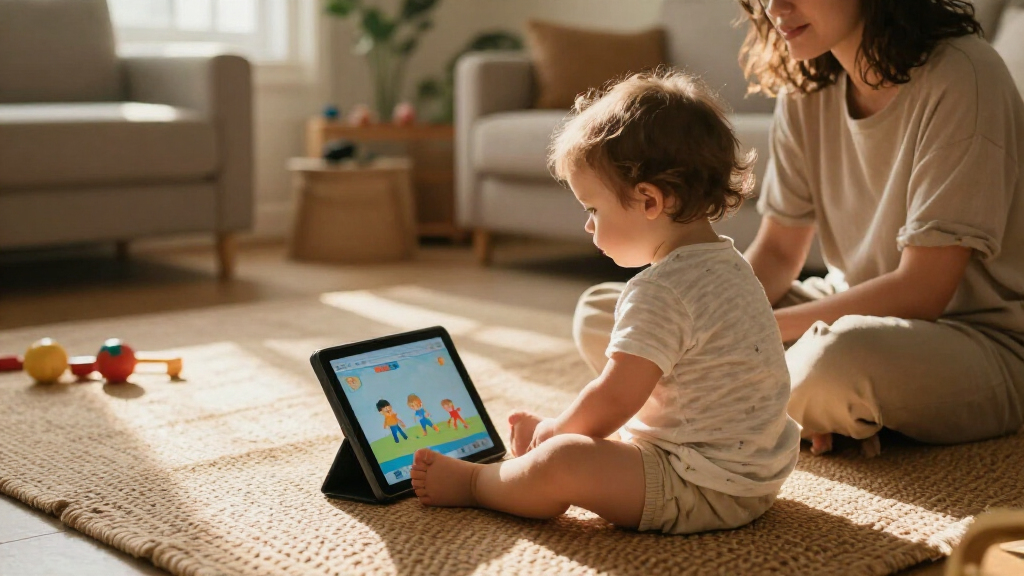
Amazon is marketing 8.7- and 11-inch Android tablets for children as young as 3, promoting features including a child-sized handle, long battery life and learning content. Pediatric researchers cited in an Oligarch Watch report warn that using devices to keep young children quiet or calm may displace other activities, but the research describes associations and does not establish that these tablets cause developmental harm.
Amazon has released 8.7- and 11-inch Android tablets marketed for children as young as 3, positioning them as children’s first tablets and highlighting learning features, a protective case and battery life for trips. The launch has drawn scrutiny from pediatric researchers who warn that relying on screens to calm or occupy toddlers could displace play, sleep and interaction with other people; the available research does not establish that Amazon’s products themselves cause developmental problems.
In sales materials, Amazon describes its Kids Tablets as devices for learning colors, shapes and numbers, and says they offer a “vivid display” and a fast user experience. The company calls them a product children will want to use, saying in its announcement: “Kids want a real tablet, not a toy.” The report says Amazon presents the tablets as suitable for children as young as 3.
The devices come with a child-sized carrying handle and protective case. Amazon’s advertising also refers to battery life for travel, including “Enough for the flight” and “Enough for a road trip.” Oligarch Watch interpreted this marketing as encouraging parents to use the tablets to keep toddlers occupied while travelling. Amazon disputed that characterization.
The report also notes that the tablets offer access to generative AI products as a premium feature. University of Michigan pediatrician Jenny Radesky expressed concern that AI tools doing creative work for children could limit opportunities to think independently. The source does not identify the specific AI products, how children access them, or what safeguards apply.
Screen Habits in Early Childhood
The dispute matters because the tablets are directed at preschool-age children, a group for whom researchers and pediatricians have raised questions about screen time, emotional regulation and the activities screens may replace. Parents deciding whether to buy a device may see Amazon’s claims about learning and eye comfort alongside research that points to possible risks associated with patterns of use.
A peer-reviewed meta-analysis published in JAMA Pediatrics examined 23 existing meta-analyses involving more than 2.8 million children across age groups. It found associations between screen exposure and lower academic achievement and language development, as well as several behavioral and emotional difficulties. These are reported associations, not proof that screens caused the outcomes or that a specific tablet will produce them.
Research on device use for calming is especially relevant to the marketing debate. The question is not simply whether a child uses a tablet, but how often, in what situations and whether it takes the place of sleep, physical activity, human connection, learning or play. The supplied material does not include independent testing of Amazon’s claims that the devices support learning or protect children’s eyes.
Popular right now

Bose QuietComfort True Wireless Earbuds with Active Noise Cancellation, Black

De'Longhi Magnifica XS ECAM22110B Automatic Espresso Machine

Shark PowerDetect Corded Stick Vacuum with HEPA Filtration, Purple (HZ4001AMZ)
As an affiliate, we earn on qualifying purchases.
Research Behind the Screen-Time Debate
Radesky, who studies children’s media use, co-authored a 2022 study observing 422 children ages 3 to 5. It found that mobile-device use to calm children was associated with lower executive functioning and greater emotional reactivity. Executive functioning includes skills such as memory and problem-solving; emotional reactivity describes responses to stress and other negative feelings. The study’s findings describe an association and do not show that device use alone caused those differences.
The JAMA Pediatrics analysis, led by University of Calgary psychology professor Sheri Madigan, likewise examined links rather than proving direct cause and effect. Madigan told CNN that screens are not “inherently bad for children,” but can “crowd out what children really need to thrive,” including sleep, activity, connection and play. The source also cites a 2025 study associating consistent handheld-device use with nearsightedness, but provides no further details about that study’s methods or findings.
Amazon says it develops products with input from organizations including ConnectSafely, the Digital Wellness Lab at Boston Children’s Hospital and the Family Online Safety Institute. Its product page says blue-light filtering can help keep children’s eyes comfortable during long trips or in dim light. That statement is the company’s product claim; the supplied material does not establish that the feature prevents eye problems.
“Kids want a real tablet, not a toy.”
— Amazon, in its tablet announcement
What the Evidence Does Not Establish
The source does not give an exact launch date, prices, sales figures or information about how widely the tablets are being marketed to preschoolers. It also does not detail the parental controls, age-verification measures or safeguards for the AI features. Those details would help readers assess how children are expected to use the devices and what limits parents can set.
The research cited examines screen exposure or device use across groups of children; it does not test Amazon’s tablets. The studies described report associations, not proof of causation, and the supplied report does not provide enough information to independently evaluate the cited eye-health research or Amazon’s blue-light claims. Amazon’s statement about expert input does not specify which features those organizations reviewed or what advice they gave.
There is also a difference between Amazon’s stated purpose and the report’s interpretation of its advertising. The company says its marketing does not claim the battery is meant to keep toddlers seated or preoccupied, while its materials refer to battery life for flights and road trips. The specific wording and images may inform that debate, but they do not establish how families will use the tablets.
Questions for Parents and Amazon
The source describes the tablets as newly released but identifies no scheduled announcement, regulatory review or research follow-up. Further details from Amazon about the devices’ parental controls, AI offerings, age guidance and the expert input it cites would clarify what families can expect. Independent evidence about how children use these products, and whether advertised learning or eye-comfort features deliver their stated benefits, is not included in the report.
For now, the central issue is how the tablets fit into children’s daily routines. The research cited supports caution about frequent use to manage behavior, while leaving open how effects vary by child, content and duration. The launch’s longer-term impact on family screen habits and children’s development remains unknown.
Key Questions
What tablets has Amazon released?
Amazon has introduced 8.7- and 11-inch Android tablets marketed as Kids Tablets, with a protective case, carrying handle and features described as suitable for children as young as 3.
Is Amazon saying the tablets should keep toddlers quiet during trips?
Oligarch Watch interpreted travel-focused battery advertising that way. Amazon disputed that interpretation, saying its messaging does not claim the battery is designed to keep toddlers seated or preoccupied.
Does the research prove these tablets harm children?
No. The studies cited examine associations between screen exposure or use for calming and developmental, behavioral or learning outcomes. They do not test Amazon’s tablets or prove that screen use caused the reported outcomes.
What concerns did pediatrician Jenny Radesky raise?
Radesky warned about making a tablet an always-available tool for calming or managing a child’s behavior. She also raised concerns about the carrying handle encouraging children to take a device everywhere and about AI tools doing creative work for them.
What remains unknown about the tablets?
The supplied report does not specify the tablets’ prices, detailed parental controls, AI safeguards or how Amazon’s named expert organizations contributed to product design. It also provides no independent assessment of the company’s learning and eye-comfort claims.
Source: hn