
TL;DR
Dorm life makes staying hydrated tricky, but small changes can vastly improve your focus, mood, and energy. Using visible bottles, anchoring habits, and smart snacks helps you hydrate without hassle.
Imagine sitting in your cramped dorm room, buried in notes, and feeling that telltale headache creeping in. Hydration might seem minor, but it’s the secret weapon for staying sharp and energized. College life throws curveballs: irregular schedules, dry indoor air, salty cafeteria food, and late-night study sessions.
In this guide, you’ll learn practical tricks to keep your water intake on point—without fuss or extra expense. Because when you hydrate smarter, you stay focused, avoid headaches, and even boost your mood. Let’s turn hydration from an afterthought into a campus superpower.
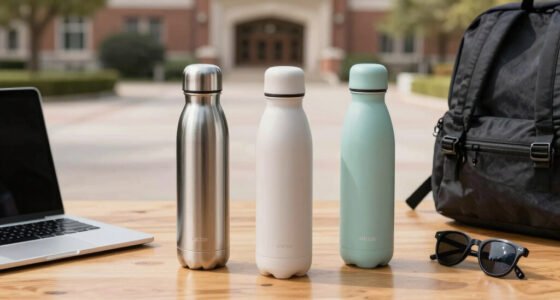
Keep a visible, reusable water bottle on your desk or in your bag to boost hydration automatically.
Anchor drinking to daily routines—like before meals or during study breaks—to build habits.
Eat water-rich foods like fruits and yogurt to supplement your fluid intake naturally.
Use reminders or apps to track your water consumption and avoid forgetting.
Understand when electrolyte products are necessary—mainly during intense activity or illness, not daily.
Smart Hydration Tips for Dorm Life
Irregular schedules, dry indoor air, salty cafeteria food, and late-night study sessions all work against you. Small, smart changes turn hydration from an afterthought into a campus superpower — sharper focus, steadier mood, more energy.
1–2%
Fluid Loss = Brain Drain
Losing just 1–2% of body weight in fluids impairs concentration, memory, and mood — before you even feel thirsty.
~60%
Of Your Body Is Water
Water fuels every cognitive process you rely on during lectures, study marathons, and finals week.
20%
Comes From Food
Roughly a fifth of daily fluid intake comes from fruit, vegetables, soups, and yogurt — easy dining-hall wins.
3.7L
Daily Target · Men
2.7L
Daily Target · Women
8cups
Simple Baseline Floor
60min
Exercise Threshold for Electrolytes
Why Staying Hydrated Matters for Your Brain & Body
Thirst is a lagging indicator — by the time you feel it, mild dehydration has often already begun. Think of dehydration as a slow leak draining mental sharpness during long study nights. Over time, chronic mild dehydration is linked to decreased academic performance and increased stress.
Self-Check: Urine Color Scale
Hydrated Light Yellow
Good Yellow
Drink Soon Dark Yellow
Drink Now Amber
Dehydrated
Focus
Concentration Drops First
Even mild dehydration hampers your brain’s ability to process information and stay alert — the exact skills exams demand.
Memory
Recall Takes a Hit
Studies link 1–2% fluid loss with reduced short-term memory — bad news when you’re cramming for finals.
Mood
Headaches & Mood Swings
Fatigue, irritability, and that telltale headache creeping in mid-study-session are classic early dehydration signals.
How Much Water Do You Really Need in College?
The U.S. National Academies suggest daily total water from all drinks and food. Needs vary with body size, activity, and climate — the simple rule: drink enough to keep urine light-colored and stay ahead of thirst.
Note: Coffee & tea count toward fluids · alcohol genuinely dehydrates — balance it with water
Six Simple Dorm Tricks to Drink More Water Every Day
Tiny habits beat willpower. Sophomore Sarah keeps her bottle on her desk and takes a sip every time she checks her phone — now she hits her water goals without thinking. Steal these moves.
Visibility
1 · Keep the Bottle in Sight
A filled, bright reusable bottle on your desk or in your bag sparks action automatically during study marathons.
Habit Anchor
2 · Anchor to Routines
A glass when you wake, before each meal, and at every study break. Attach sips to habits you already have.
Refill Smart
3 · Use Hydration Stations
Campus touchless bottle fillers make refilling between classes quick, free, and eco-friendly. Tap water is safety-regulated.
Flavor It
4 · Beat the Boredom
Lemon slices, mint, sugar-free drops, sparkling water, herbal tea — no sugar crash, just tastier hydration.
Eat Water
5 · Snack Your Fluids
Watermelon, oranges, cucumbers, soup, and yogurt are easy dining-hall wins that hydrate and nourish.
Automate
6 · Set Reminders
Phone alarms or hydration apps turn drinking into an automatic cue — essential when your schedule is chaos.
Dining-Hall Hydration Wins — Water Content by Weight
Cucumber
95%
Watermelon
92%
Oranges
87%
Yogurt
85%
Your Anchored Hydration Day
Link each sip to a moment that already happens. Front-load fluids earlier in the evening if late-night bathroom trips disrupt your sleep.
Wake Up
One glass right after brushing your teeth
Every Meal
One glass before you eat in the dining hall
Each Class
Carry the bottle, refill at stations between
Study Breaks
Sip every time you check your phone
Evening
Wind down early; match any alcohol with water
When Electrolytes Actually Matter — and When They Don’t
Electrolyte packets (Nuun, LMNT, Liquid I.V.) replenish sodium, potassium, and magnesium lost through heavy sweat or illness. For most sedentary class days, plain water and a balanced diet do the job.
Use Electrolytes When…
- Intense exercise over ~60 minutes or heavy gym sessions
- Heavy sweating — long days outdoors or extreme heat
- Illness — vomiting or diarrhea draining fluid and salts
- Muscle cramps or weakness after exertion — like refueling a car after a long drive
Plain Water Wins When…
- Ordinary class days — your diet already balances electrolytes
- Daily habit use adds unneeded sugars, artificial flavors, and cost
- Budget matters — packets and tablets add up fast over a semester
- Caution: chugging huge volumes of plain water fast risks hyponatremia — balance, don’t binge
Dorm Drink Decoder
Not every beverage hydrates equally. Use this cheat sheet before you stock the mini-fridge.
| Beverage | Hydrates? | Dorm Verdict |
|---|---|---|
| Plain / sparkling water | ✓ Yes — the gold standard | Free at refill stations; filter pitchers improve taste in older buildings |
| Coffee & tea | ✓ Net positive — mild diuretic effect fades in habitual drinkers | Fine in moderation; don’t let it fully replace water |
| Herbal tea & fruit-infused water | ✓ Yes — counts fully | Best fix for “plain water is boring” |
| Sports / electrolyte drinks | ~ Sometimes — useful after 60+ min intense exercise, heavy sweat, or illness | Unnecessary (and pricey) for a normal day of classes |
| Sugary sodas & energy drinks | ~ Partially — but adds sugar, calories, and crashes | Not a hydration strategy; keep occasional |
| Alcohol | ✗ No — suppresses ADH and increases urine output | Match each drink with a glass of water; one more before bed |
Why Staying Hydrated Matters for Your Brain and Body
Water is the fuel for your brain and body—about 60% of your body weight is water. Losing just 1-2% of that causes tiredness, poor concentration, and mood swings. Think of dehydration as a slow leak draining your mental sharpness and energy during those long study nights.
Thirst is a poor indicator—it lags behind your body’s actual needs. Your urine color offers a quick check: pale yellow means you’re good, dark yellow signals you need more. Remember, even mild dehydration can cut your focus and increase headaches, which nobody wants during finals.
Understanding these effects is crucial because dehydration doesn’t just make you feel thirsty; it directly hampers your brain’s ability to process information, recall memories, and stay alert. Over time, chronic mild dehydration can lead to decreased academic performance and increased stress. Therefore, developing consistent hydration habits ensures your brain functions optimally, especially when you need it most.
reusable water bottle for college students
As an affiliate, we earn on qualifying purchases.
As an affiliate, we earn on qualifying purchases.
How Much Water Do You Really Need in College?
Most students aim for around 8 cups (about 2 liters) daily, but hydration needs vary by body size, activity, and climate. According to health experts, men need about 3.7 liters daily, women around 2.7 liters, from all sources—food and drinks.
For college students, a simple rule works: drink enough to keep your urine light-colored and stay ahead of thirst. Think about a scenario: if you’re rushing between classes and notice your mouth is dry or your urine is dark, it’s time for a quick water break. Remember, caffeine and alcohol influence hydration: coffee and tea are fine, but alcohol dehydrates you, so balance with water.
Understanding these numbers is key because over- or under-hydrating can have tradeoffs. Drinking too little hampers your focus and energy, while excessive intake—especially from sugary or electrolyte drinks—can add unnecessary calories and cost. Striking a balance means being mindful of your body’s signals and adjusting based on activity and environment.
In practice, monitoring urine color and thirst cues provides a personalized hydration plan that supports your academic and physical well-being without overcomplicating your routine.
hydration reminder app for smartphones
As an affiliate, we earn on qualifying purchases.
As an affiliate, we earn on qualifying purchases.
Simple Dorm Tricks to Drink More Water Every Day
Sticking with tiny habits turns hydration into second nature. Just a few tweaks make a big difference:
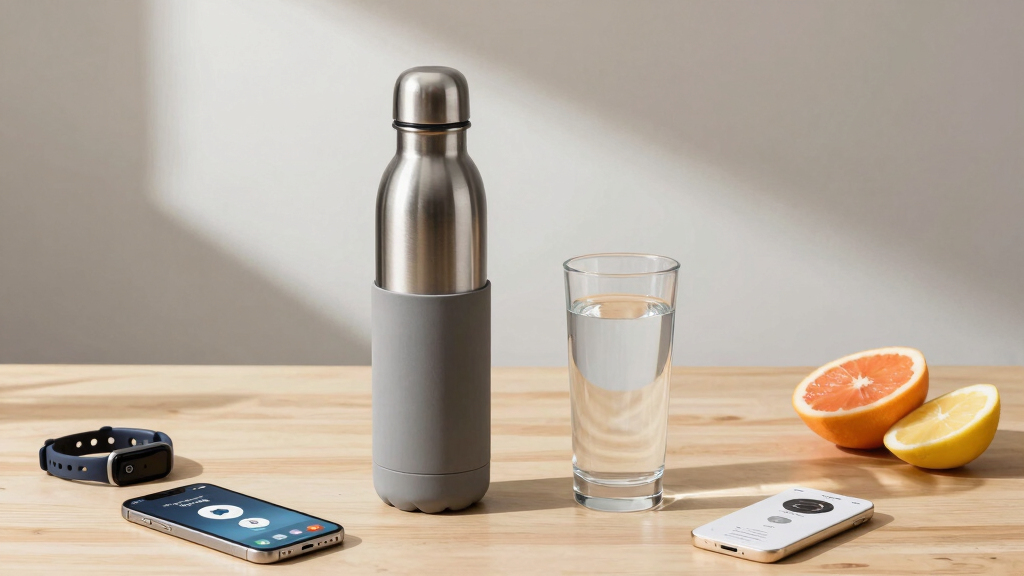
- Keep a filled reusable bottle on your desk or in your bag—visibility sparks action. For example, imagine you’re studying late at night and see your bright water bottle beside your laptop; it reminds you to take a sip, preventing dehydration during those long study marathons.
- Anchor drinking to habits: a glass of water when you wake, before meals, or during study breaks. Picture yourself brushing your teeth and immediately drinking a glass of water afterward—that routine makes hydration effortless.
- Refill at campus hydration stations—many campuses have water fountains with touchless bottle fillers. Visualize filling your bottle quickly between classes without hassle, making hydration quick and eco-friendly.
- Flavor plain water with fresh fruit, herbs, or sugar-free drops—no sugar crash, just tasty hydration. Think of adding a slice of lemon or a sprig of mint to make plain water more appealing, encouraging you to drink more.
- Eat water-rich foods like watermelon, oranges, and yogurt—easy wins in the dining hall. For example, snacking on juicy watermelon slices during a study break not only hydrates you but also provides essential nutrients.
- Set phone reminders or use hydration apps to track your intake—especially if you’re busy or forgetful. When your alarm buzzes, it’s a cue to take a quick sip, turning hydration into an automatic habit.
Real-life example: Sarah, a sophomore, keeps her bottle on her desk. She drinks a sip every time she checks her phone or opens her laptop. Now, she’s hitting her water goals without thinking. This illustrates how small, intentional habits can seamlessly integrate hydration into daily routines, making it sustainable and stress-free.
water-rich snack packs for students
As an affiliate, we earn on qualifying purchases.
As an affiliate, we earn on qualifying purchases.
Why Smart Hydration Is More Than Just Drinking Water
Hydration isn’t just about water—electrolytes matter, especially if you sweat a lot or feel sluggish. Electrolyte packets (like Nuun or LMNT) can help replenish sodium, potassium, and magnesium lost through sweat or illness, which are vital for nerve function, muscle contraction, and maintaining fluid balance.
Imagine you’ve been at the gym or out in the sun all afternoon—you might notice your muscles feeling weak or cramping. In that moment, an electrolyte drink can help restore balance quickly, much like refueling a car after a long drive. However, for most students with regular activity levels, plain water suffices because the body efficiently maintains electrolyte balance through a balanced diet and normal hydration. Overusing electrolyte drinks can lead to unnecessary intake of sugars, artificial flavors, and cost—potentially disrupting your health goals and budget. The tradeoff is clear: electrolytes are beneficial during intense workouts or illness but are generally unnecessary for daily hydration. Choosing when to replenish electrolytes wisely can prevent overconsumption and keep your hydration effective without turning it into a complicated or costly task.
In essence, understanding when your body truly needs electrolytes helps you make informed choices, ensuring hydration supports your health without excess or expense.
electrolyte drinks for dehydration
As an affiliate, we earn on qualifying purchases.
As an affiliate, we earn on qualifying purchases.
Latest Trends Making Dorm Hydration Easier and Cooler
Technology has your back. Smart water bottles that glow or sync with your phone can remind you to drink—no willpower needed. For example, some bottles light up at intervals you set, nudging you to take a sip during study sessions. Many students now use hydration apps that send gentle nudges when you forget, turning hydration into a fun and engaging activity rather than a chore.
Electrolyte powders and tablets are popular—Liquid I.V., Nuun—marketed to students for quick replenishment. Think of a student coming back from a long day outdoors—adding a tablet to water can help restore lost electrolytes quickly. While convenient, it’s important to understand their role: they are most beneficial during intense physical activity or illness, not as a daily habit. Overreliance can lead to unnecessary costs and calorie intake, so use them thoughtfully.
Campus infrastructure is also evolving: more universities add water refill stations to cut plastic waste and promote hydration. These stations often feature touchless technology, making refills quick and hygienic. Plus, TikTok trends show students experimenting with flavored waters—adding herbs, fruits, or natural extracts—making hydration more enjoyable. Just be cautious of artificial sweeteners and additives.
Wearables and health apps increasingly track hydration, integrating it into daily routines. These innovations make staying hydrated effortless, engaging, and even fun, encouraging healthier habits among students.
Quick Fixes for Hydration When You’re Busy or Lazy
When your schedule is packed, staying hydrated can slip your mind. Here are quick hacks:
- Drink a glass of water first thing in the morning—think of it as starting your engine. Just like how a car needs fuel to run smoothly, your body benefits from a splash of water right after waking up to kickstart your day.
- Use a large, attractive bottle that you enjoy holding and drinking from. Imagine having a colorful bottle that you look forward to filling and sipping from during your classes or study sessions—this makes drinking water feel less like a chore and more like a personal ritual.
- Place your water bottle where you can see it—desk, backpack, or next to your laptop. Visual cues like a brightly colored bottle on your workspace remind you to take regular sips, much like how a sticky note on your monitor prompts you to stay on task.
- Set alarms or reminders—like ‘Drink now’ alerts on your phone. Picture your phone buzzing every hour, reminding you to hydrate—this simple prompt keeps hydration on your radar amidst busy schedules.
- Flavor your water with lemon, mint, or berries for a tastier sip. Think of adding a slice of lemon to your water before a study session—it transforms plain water into a refreshing drink, making it more appealing and encouraging you to drink more.
Example: Mike uses a hydration app that buzzes every hour. He drinks a sip, then another. After a few days, it’s a habit—no extra effort needed. These quick fixes leverage psychological cues and simple tools to embed hydration into even the busiest schedules.
Frequently Asked Questions
How much water should I actually drink per day?
Most students should aim for about 8 cups (2 liters), but needs vary. Watch your urine color—pale yellow means you’re well-hydrated. Adjust based on activity and climate.
Do coffee, energy drinks, or soda count toward my water intake?
Coffee and tea contribute to hydration, as their diuretic effect is mild in habitual drinkers. Soda and energy drinks mostly add sugar and calories; they’re not reliable hydration sources. Water is best.
What are the early signs I’m dehydrated?
Headaches, dry mouth, dark urine, fatigue, and difficulty concentrating are common signs. If you notice these, sip water consistently until symptoms improve.
Is dorm tap water safe to drink? Do I need a filter?
In most U.S. colleges, tap water is regulated and safe. Using a pitcher or faucet filter can improve taste and reduce lead risks, especially in older buildings.
How do I remember to drink water when I’m busy?
Set alarms, keep a big bottle in sight, or link drinking to habits like checking your phone or before meals. Making it automatic helps it become second nature.
Conclusion
Hydrating smarter isn’t about chugging gallons or buying fancy bottles. It’s about turning small, deliberate habits into a routine. Your brain works better, you feel more energized, and those headaches fade away.
So, grab that bottle, fill it often, and make hydration a natural part of your day. Your future self will thank you—more focused, less sluggish, and ready to conquer college.