
TL;DR
Get ready for Prime Big Deal Days — try Prime free
Exclusive member deals on October 6–7, plus fast free delivery. Cancel anytime.
Start your free trialAs an affiliate, we earn on qualifying purchases.
Dorm security isn’t just about locks. It’s a mix of physical safeguards, tech tools, and awareness. Staying proactive keeps your space safe and your mind at ease during college.
Lock your dorm room door every time you leave — it’s your first line of defense.
Combine physical security with tech tools like safety apps, smart locks, and alarms.
Walk in groups and stay in well-lit areas at night; use campus escort services when needed.
Recognize suspicious behavior early and report it immediately—trust your instincts.
Practice emergency procedures so you can react calmly and effectively when needed.
How to Keep Your Dorm Room Locked and Secure
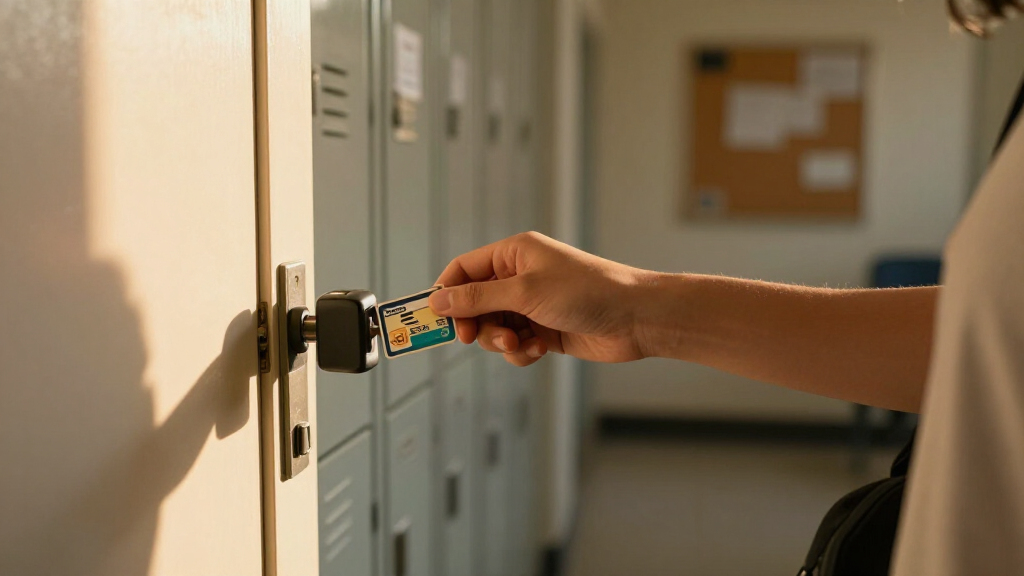
The first step in dorm safety is locking your door every time you leave. It sounds obvious, but many students forget or assume their room is safe. Using a sturdy lock ensures that unauthorized individuals cannot easily access your space, which is crucial because dorms often have high foot traffic. Consider adding a portable door lock or door alarm, especially if your dorm allows modifications, as these can provide an extra layer of security without permanent alterations. Secure storage for valuables—like a lockbox—reduces temptation and risk of theft. Remember, even the best lock isn’t foolproof, but it significantly raises the barrier against opportunistic intruders. Combining physical security with awareness of your surroundings creates a strong foundation for safety, making it less likely you’ll be targeted or fall victim to theft or unwanted entry.
As an affiliate, we earn on qualifying purchases.
Using Tech to Boost Dorm Safety
Technology can dramatically enhance your safety by providing real-time alerts, easy communication, and remote monitoring. Smart locks can allow you to control access digitally, granting temporary keys to friends or service providers while revoking access when needed. Security cameras, even simple ones, can serve as deterrents and help identify suspicious activity if it occurs. Safety apps that enable location sharing or request escorts make it easier to stay connected and get help quickly. For example, campus-specific safety apps often include features like emergency buttons, GPS tracking, and direct lines to security. Investing in portable alarms or window locks can be inexpensive yet effective additions, especially if your dorm allows such modifications. These tools work best when integrated with physical locks and situational awareness, creating a comprehensive safety network that adapts to different scenarios. They empower you to respond swiftly and effectively, reducing vulnerability during emergencies or suspicious encounters.
As an affiliate, we earn on qualifying purchases.
Best Practices for Nighttime Safety on Campus
Nighttime safety is vital because many campus crimes and accidents occur after dark. The key is proactive behavior—anticipating potential risks and taking steps to mitigate them. Walking in groups and sticking to well-lit, populated paths reduces the chance of vulnerability because many offenders target isolated or poorly lit areas. Campus escort services are designed to provide safe transit, especially for late-night walks, and utilizing them can be a game-changer in avoiding dangerous situations. A fully charged phone is essential; it ensures you can call for help or use safety apps when needed. Familiarity with emergency call points, which are often strategically placed around campus, allows for quick access to help. Planning your routes and sharing your itinerary with friends or family adds an extra layer of security. These habits might seem simple, but they collectively create a proactive safety culture that can prevent incidents or help you respond swiftly if something feels wrong.
As an affiliate, we earn on qualifying purchases.
How to Recognize and Respond to Suspicious Activity
Early recognition of suspicious behavior is critical because it allows you to act before a situation escalates. Look for individuals loitering in hallways or around entrances without a clear purpose. Nervous or hurried movements, unusually aggressive behavior, or individuals trying to avoid visibility can be warning signs of potential threats. Trust your instincts—if something feels off, it probably warrants attention. Reporting suspicious activity promptly to campus security or local police is vital; timely information can prevent crimes or apprehend offenders. Using your campus safety app to share your location and details can help authorities respond more effectively. Remember, your safety is paramount. Never intervene directly in a threatening situation; instead, keep a safe distance, stay on the line with security if possible, and move to a secure location. Being vigilant and knowing when to report can stop a threat before it harms you or others, turning your awareness into an active defense.
As an affiliate, we earn on qualifying purchases.
Frequently Asked Questions
How can I make my dorm room more secure without damaging the door or walls?
Use portable locks like the Addalock or door alarms that don’t require drilling or permanent changes. These inexpensive devices can be removed easily if needed, offering extra security without risking your dorm agreement. Understanding the limitations of these devices is important—while they add convenience and deterrence, they should complement, not replace, traditional locks and situational awareness. They are especially useful when you want to enhance security temporarily or in shared spaces where permanent modifications aren’t allowed. Making informed choices about these tools ensures your safety measures are effective without jeopardizing your housing agreement or causing damage.
What should I do if I see someone acting suspiciously late at night?
Trust your instincts. If you notice someone loitering, acting nervously, or in a way that makes you uncomfortable, immediately notify campus security using your safety app or by calling their direct line. Avoid confronting or intervening directly, as this could escalate the situation or put you at risk. Instead, move to a well-lit, populated area or find a safe spot while waiting for help. Reporting early helps authorities respond more effectively, potentially preventing crimes before they happen. Your quick action can protect not only yourself but others as well, creating a safer campus environment for everyone.
Are safety apps reliable when I need help fast?
Yes, when used properly, safety apps can be highly reliable tools. Many campus apps feature one-touch emergency alerts, real-time GPS tracking, and direct communication lines to security personnel. They are designed for quick activation, providing immediate assistance or notifying authorities without delay. However, their effectiveness depends on having a charged phone, a good internet connection, and familiarity with how to use the features. Regularly testing and updating these apps, along with ensuring your device is always charged, maximizes their reliability during emergencies. When integrated with physical safety measures, these apps become a vital part of your overall safety strategy, offering peace of mind and rapid response capability.
What’s the best way to keep valuables safe in my dorm?
Lock valuables in a secure, hidden spot or a personal lockbox that you keep with you or in a concealed area. Avoid leaving electronics, jewelry, or cash out in plain sight, especially when you’re not in the room. Using a lockable drawer or small safe can be effective, but remember that no method is completely foolproof. Combining these physical precautions with situational awareness—like locking your door whenever you’re away—greatly reduces the risk of theft. Also, consider engraving or marking valuables with identifiable info to help recover stolen items. The goal is to make your valuables less tempting and more difficult for thieves to access quickly, thereby reducing your risk of loss.
What’s the most important thing to remember in a safety emergency?
Stay calm, follow your campus emergency protocols, and call for help immediately. Panicking can impair your judgment, so taking a few deep breaths and focusing on clear, concise actions is essential. Know where the nearest exits are, how to communicate with security, and what steps to take depending on the situation—whether it’s a fire, medical emergency, or threat. Being prepared through drills or familiarization with campus procedures ensures your response is swift and effective. Your ability to remain composed and act decisively can prevent injuries, contain threats, and protect yourself and others during critical moments.
Conclusion
Your dorm is your home away from home. Making it as safe as possible comes down to smart habits, good locks, and the right tech. Stay alert—your safety depends on it. When you walk onto campus, think of safety as a simple, everyday routine, not a hassle. It’s your best shield against the unexpected.NFL season / tailgating Picks
team gear
As an affiliate, we earn on qualifying purchases.