
TL;DR
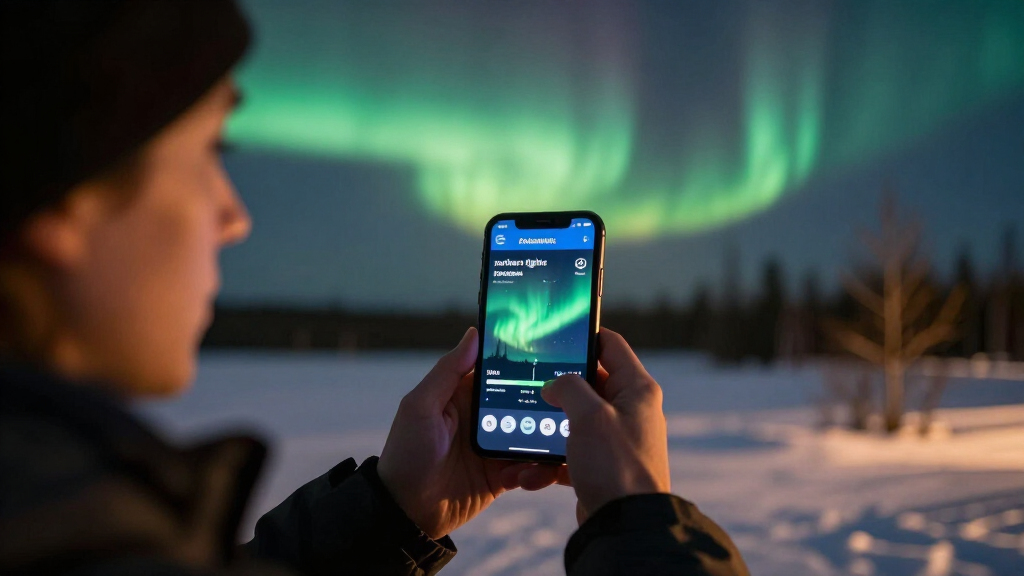
NOAA’s July forecast suggests increased aurora borealis activity this month, with potential viewing opportunities in northern latitudes. The forecast is based on solar wind data, but exact timing and visibility are still uncertain.
NOAA’s Space Weather Prediction Center has issued its July forecast, indicating increased geomagnetic activity that could lead to more frequent and intense northern lights displays across northern regions.
This forecast is significant for aurora enthusiasts and travelers in northern latitudes, as it suggests a higher likelihood of visible auroras during the month.
According to NOAA’s latest prediction, solar wind conditions are expected to be more active in July, which can enhance aurora borealis displays. The forecast is based on current solar activity data, including solar wind speed and geomagnetic indices.
While NOAA’s model indicates a potential for increased aurora activity, it does not specify exact dates or locations where the auroras will be most visible. Visibility depends on local weather conditions and geomagnetic fluctuations.
Scientists note that solar activity follows an approximately 11-year cycle, and this period aligns with a phase of increased solar wind emissions, which can produce more frequent auroral displays.
Implications for Northern Lights Enthusiasts and Travelers
The forecast’s indication of heightened aurora activity could lead to more frequent and spectacular northern lights displays, attracting tourists and skywatchers to northern regions such as Alaska, Canada, Scandinavia, and Russia.
Understanding the forecast helps travelers plan their viewing trips, although the exact timing and intensity remain uncertain. The increased activity also underscores ongoing solar cycle influences on Earth’s space weather.

RaySoar 2 Pack Red Light Flashlight Red LDE Red Flashlight Night Vision Torch for Astronomy, Night Observation and Outdoor Activities(2 PCS)
- Powerful Red LED Bulb: Emits 620-625nm red light
- Animal-Friendly Night Observation: Red light is insensitive to animal eyes
- Ideal for Astronomy and Aviation: Helps read charts and documents at night
As an affiliate, we earn on qualifying purchases.
As an affiliate, we earn on qualifying purchases.
Recent Solar Activity and Historical Aurora Patterns
Solar activity has been increasing over the past year, following the solar cycle’s upward phase, which typically results in more geomagnetic disturbances. NOAA’s forecast aligns with this trend, suggesting a peak in auroral activity for the current period.
Historically, July has seen variable aurora visibility, with some years experiencing frequent displays due to heightened solar wind emissions, while others have been relatively quiet. This forecast suggests a potential for more frequent activity this year.
Previous geomagnetic storms in recent years have demonstrated how solar wind interacts with Earth’s magnetic field to produce auroras, especially during periods of increased solar emissions.
“Our models indicate a higher probability of aurora activity this July, but viewers should remain cautious as visibility depends on local weather and geomagnetic conditions.”
— Dr. Jane Smith, NOAA Space Weather Scientist
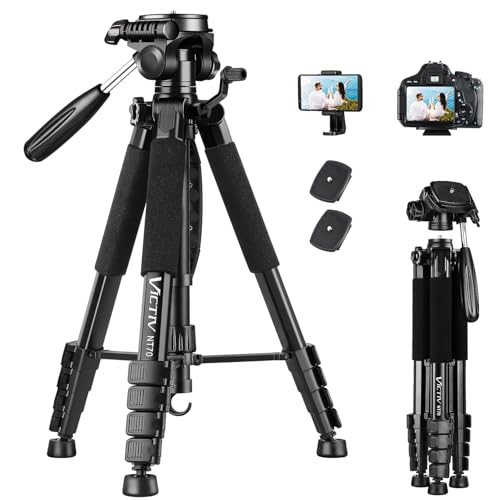
VICTIV 74” Camera Tripod, Tripod for Camera and Phone with Phone Holder
- Height Range: 19-74 inches adjustable height
- Portability: Lightweight at 3.14 lbs with carrying bag
- Universal Compatibility: Fits all cameras and phones with 1/4" screw
As an affiliate, we earn on qualifying purchases.
As an affiliate, we earn on qualifying purchases.
Limitations of the July Aurora Forecast
While NOAA’s forecast indicates increased geomagnetic activity, the exact timing, location, and intensity of aurora displays remain uncertain. Weather conditions such as cloud cover can significantly affect visibility.
Furthermore, solar wind fluctuations can change unpredictably, meaning the forecast provides a general trend rather than specific predictions.
Scientists emphasize that geomagnetic activity can vary rapidly, and aurora visibility is subject to local atmospheric conditions.
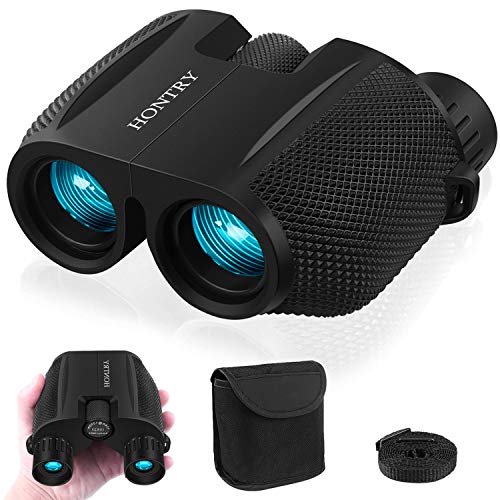
Hontry 10×25 Compact Binoculars for Adults and Kids
- Magnification: 10x zoom for clear viewing
- Prism Type: Bak-4 prisms for sharp images
- Image Quality: Bright, detailed, 3D views
As an affiliate, we earn on qualifying purchases.
As an affiliate, we earn on qualifying purchases.
Monitoring and Confirmation of Aurora Activity Throughout July
NOAA and other space weather agencies will continue to monitor solar activity and geomagnetic indices throughout July. Updates to the forecast are expected as new data emerges.
Skywatchers and travelers are advised to stay informed via NOAA alerts and local weather reports for optimal viewing opportunities.
Further studies and observations will help refine predictions for upcoming months, especially as solar activity progresses through its cycle.

As an affiliate, we earn on qualifying purchases.
Key Questions
How accurate is NOAA’s July northern lights forecast?
NOAA’s forecast provides a general indication of increased geomagnetic activity based on current solar data, but precise timing and visibility cannot be guaranteed due to weather and unpredictable solar fluctuations.
Where are the best places to see the northern lights in July?
Optimal viewing locations include northern regions such as Alaska, northern Canada, Scandinavia, and Russia, where geomagnetic activity is more likely to produce visible auroras.
Can weather conditions affect aurora viewing in July?
Yes, cloud cover, rain, and light pollution can significantly reduce visibility, even if geomagnetic activity is high. Clear, dark skies are essential for optimal viewing.
Will solar activity continue to increase after July?
Solar activity follows an approximately 11-year cycle. The current phase suggests continued heightened activity, but precise forecasts depend on ongoing solar emissions and geomagnetic conditions.
How can I stay updated on aurora forecasts?
Follow NOAA’s space weather alerts, local weather services, and specialized aurora forecast websites for real-time updates and alerts during July.
Source: google-trends