
TL;DR

Prime made for students and young adults
- Fast, free delivery for dorm and study essentials
- Prime Video and Amazon Music included
- Member-only deals
In an opinion article for The 74, a Dallas mother of six describes how communication with her children’s charter school helped her manage tardiness and morning routines. She argues that schools should maintain attendance expectations while learning about and addressing the barriers families face.
A Dallas mother of six is urging schools to pair expectations for regular, on-time attendance with support for the practical challenges families face. In an opinion article published by The 74, she recounts how communication with her children’s school helped her manage difficult mornings and says attendance messages alone may not resolve the obstacles keeping students from class.
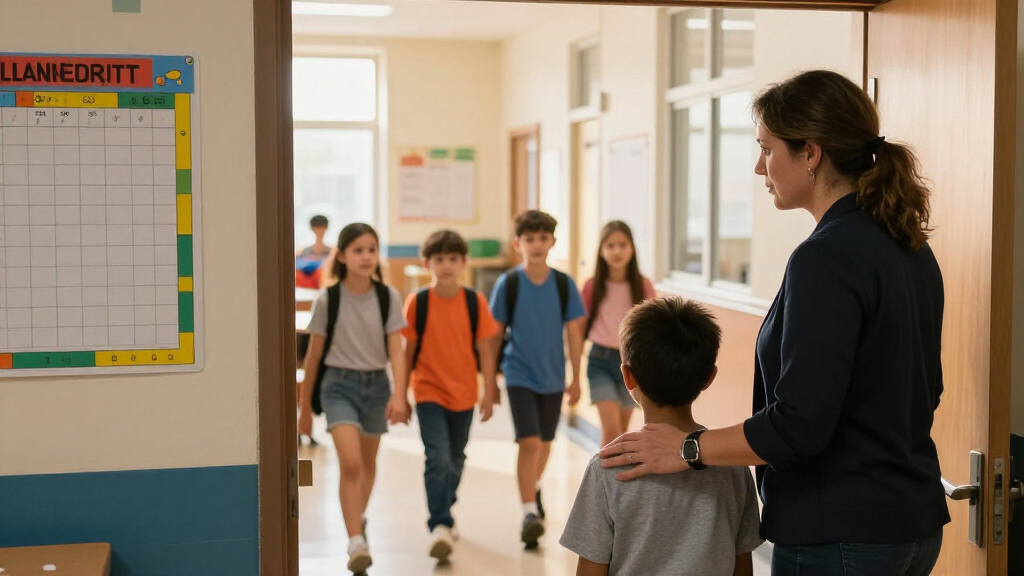
The writer says five of her children attend a charter school about an hour from home, while she also takes a younger child to daycare and works in education. After the death of her children’s father, she says the family had to adjust, and some mornings getting everyone ready and making the drive felt overwhelming. She describes herself as a single mother who already understood that school attendance mattered; what she needed was help working through the routine.
She credits teachers, administrators, case managers and other staff at IDEA A.W. Brown with creating open communication. She says that when the family was running behind, she knew whom to contact. Support from her father and sister also helped her get the boys up and out of the house.
A conversation with her son Legend’s third-grade teacher became a turning point, according to the article. The teacher saw his potential and explained that arriving on time meant being present for school breakfast, the start-of-day routine and early instruction. The mother says her family changed its routines, although getting six children out the door remained difficult.
Attendance Depends on Family Support
The article’s central argument is that accountability and understanding can work together. Schools can expect students to arrive on time and ready to learn while also asking what is making that difficult for a particular family. The writer warns that assuming a parent does not care may overlook circumstances such as childcare needs, work schedules, long commutes or bereavement.
Her account also describes why punctuality can matter beyond a recorded attendance mark: a late arrival may mean missing breakfast, the opening routine or instruction. In her family’s experience, a teacher’s specific explanation helped connect the expectation to what her son needed at school. The piece is a personal account, not evidence that one approach will work for every family, but it offers a concrete example of how communication and practical changes can support attendance.
children's morning routine organizer
As an affiliate, we earn on qualifying purchases.
As an affiliate, we earn on qualifying purchases.
One Family’s School-Morning Experience
The writer describes traveling about an hour each way to take five children to their charter school in Dallas, while coordinating daycare and her own work schedule. She says family support and a willingness to speak openly with the school helped her handle mornings that had become more complicated following the loss of the children’s father.
She presents the teacher’s conversation about Legend’s tardiness as an important moment: the teacher paired a high view of his potential with a clear explanation of why arriving on time mattered. The account focuses on this family’s experience at IDEA A.W. Brown; it does not report a schoolwide attendance policy change or provide attendance data.
“High expectations and empathy are not opposites. My family needed both.”
— The mother, writing in The 74
As an affiliate, we earn on qualifying purchases.
What the Personal Account Cannot Show
The article is an opinion account of one family’s experience. It does not provide attendance records, measure whether the school’s communication changed tardiness over time, or establish how common similar barriers are among families. It also does not describe specific schoolwide programs, staffing or resources for addressing attendance challenges.
The writer identifies possible barriers—including childcare, work schedules, long travel and family loss—but does not quantify their effects or compare different approaches. The source does not report a response from school officials or independent evaluation of the support she describes.
As an affiliate, we earn on qualifying purchases.
A Call for School-Family Communication
The article does not announce a policy, program or scheduled next step. Its proposed approach is for schools to talk with families about what is getting in the way, identify practical supports and continue communicating while maintaining clear expectations for students. Whether schools adopt that approach, and what support they can offer, is not specified in the source.
For readers, the immediate takeaway is the writer’s recommendation: treat repeated lateness or absence as a reason to understand a family’s circumstances, not as proof that a parent does not value education. The article offers no new attendance data or formal initiative to track beyond that argument.
family communication planner for school
As an affiliate, we earn on qualifying purchases.
As an affiliate, we earn on qualifying purchases.
Key Questions
What is the opinion article about?
A Dallas mother of six describes how she managed difficult school mornings with help from family members and staff at her children’s school. She argues that schools should combine clear attendance expectations with efforts to understand and address family barriers.
Which school does the writer identify?
She names IDEA A.W. Brown, where five of her children attend school, according to the article.
What helped change the family’s morning routine?
The writer says a conversation with her son Legend’s third-grade teacher helped her see how tardiness could mean missing breakfast, the start-of-day routine and early instruction. She says the family then worked on changing its routines.
Does the article show that the school’s approach improved attendance?
It describes the mother’s experience and says communication made mornings more manageable, but it provides no attendance data or independent evaluation measuring the effect.
Source: rss
Halloween Picks
halloween
As an affiliate, we earn on qualifying purchases.