
TL;DR
Prime for Young Adults — start your free trial
Fast free delivery, streaming and member deals for eligible 18–24 year olds.
Try it freeAs an affiliate, we earn on qualifying purchases.
Parents should check dorm rules before shopping, focus on essentials over décor, coordinate early with roommates, and prepare for limited space and safety. Good planning makes dorm life smoother for everyone.
First-time dorm living can feel like stepping into a whole new world—crowded, unfamiliar, and full of surprises. As a parent, your role shifts from managing every detail to supporting your student’s independence. The key? Practical preparation that sets the stage for confidence rather than chaos.
In this guide, you’ll find straightforward tips on what to check off the list before move-in day, how to talk about safety without creating fear, and ways to help your student stay organized and budget-savvy in tight quarters. Think of it as your parent’s toolkit for making dorm life a success—without the stress.
Always check the dorm’s specific rules before shopping for supplies to avoid unnecessary or prohibited items.
Prioritize essentials—like bedding, toiletries, and organization tools—over decorative décor to keep the room manageable.
Coordinate early with the roommate to set expectations and share big items, preventing conflicts and clutter.
Maximize limited space with multi-purpose storage and thoughtful packing—measure and plan ahead.
Encourage safety awareness without causing fear—know emergency procedures and campus resources.
Tips for First-Time Dorm Living
Dorm life is a major step toward independence. The parent’s role shifts from managing every detail to helping a student prepare, make decisions and solve problems with confidence.
Start with function, not decoration
Good preparation prevents duplicate purchases, prohibited items and a room so full that everyday routines become difficult.
Read the dorm rules
Confirm room dimensions, furniture, bed size, approved appliances, extension-cord rules, decorations, guests, pets and storage before shopping.
Buy daily essentials
Begin with bedding, toiletries, laundry supplies, lighting, cleaning basics, medications and a small first-aid kit. Personalize later.
Contact the roommate
Decide who brings shared appliances and discuss sleep, study, noise, guests, cleaning, food sharing and temperature preferences.
Plan every inch
Use compact, multipurpose storage. Measure before buying bed risers or organizers, since residence-hall safety rules may restrict them.
Review safety calmly
Teach practical responses, campus resources and emergency contacts without framing college as a constant source of danger.
Leave room to adapt
Students often discover what they genuinely need only after move-in. An unfinished corner is useful flexibility—not failed planning.
Check, share or wait?
Run each purchase through three questions: Is it allowed? Is it already provided? Could the roommates share one?
| Item | Action | Why |
|---|---|---|
| Twin XL bedding | ✓ Buy after confirmation | Bed sizes vary by residence hall |
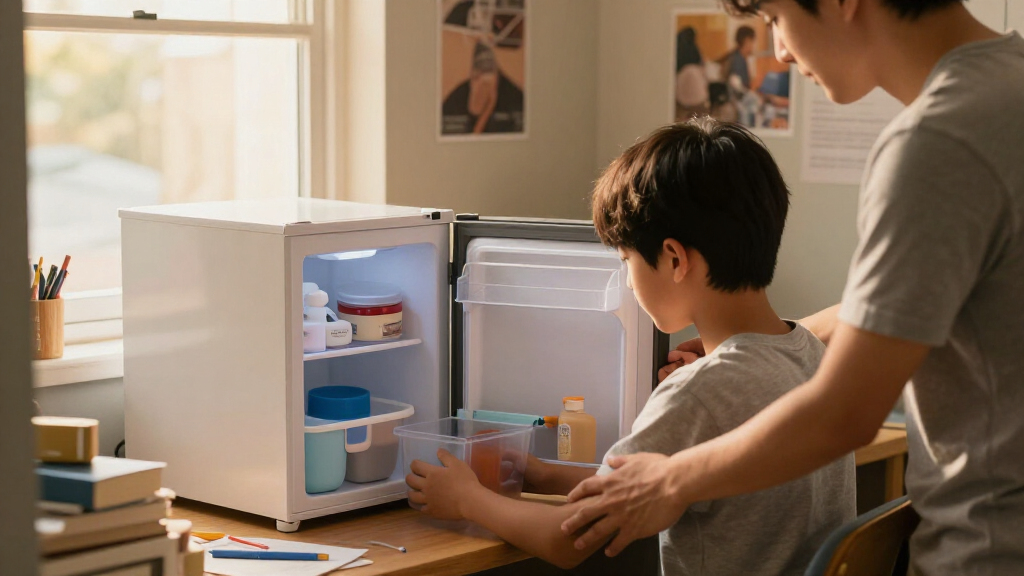
| Mini-fridge | ~ Coordinate first | May be provided, restricted or shared |
| Hot plate / heater | ✗ Usually restricted | Common fire-safety prohibition |
| Approved power strip | ✓ Essential | Protects electronics and reduces overload risk |
| Large décor haul | ~ Wait until move-in | Preserves space and avoids duplicate styles |
| Entire wardrobe | ✗ Pack seasonally | Closet capacity is extremely limited |
From research to a smoother first week
Each early decision prevents a predictable move-in problem and gives the student more ownership of the result.
Read the residence guide
Identify dimensions, restrictions and supplied furniture.
Measure and list
Separate confirmed needs from optional purchases.
Talk with the roommate
Divide shared items and discuss daily habits.
Pack in layers
Essentials first, compact storage second, décor last.
Adapt after arrival
Buy only what real routines reveal is missing.
Talk before you shop
Build confidence for everyday dorm life
Preparation also means knowing where to seek help, how to manage small expenses and when a parent should step back.
Know the support network
- Save campus security and resident-assistant contacts.
- Locate the health center, pharmacy and late-night transport.
- Review alarms, evacuation routes and emergency procedures.
- Protect medication, valuables and health information.
- Discuss drinks, substances and safer decision-making plainly.
Plan for the small expenses
Agree on a weekly or monthly limit, which costs parents will cover, how emergency funds work and how often spending will be reviewed.
Essentials create comfort. Communication creates cooperation. Independence creates growth.
Check the rules before buying, pack for real routines, normalize homesickness and let manageable mistakes become part of the education.
Why Double-Check the Dorm’s Rules Before Shopping
Most dorms come with a long list of rules—dimensions, allowed appliances, decoration limits, guest policies. Checking these first can save you and your student from returning unopened boxes and unnecessary expenses. For example, some colleges restrict the use of hot plates or space heaters, which might influence what appliances you buy.
Imagine buying a mini-fridge only to find out it’s not permitted. Better to confirm rules early—many schools publish detailed move-in guides—and then shop with confidence. Remember, dorms vary widely: one might allow a full-size mattress, and another only Twin XL.
Understanding these rules matters because it directly affects what your student can and cannot bring, influencing their comfort, safety, and even the overall dorm experience. Failing to check can lead to costly returns or having to replace items after move-in, causing unnecessary stress and expense. Moreover, knowing restrictions helps your student develop responsibility and respect for shared spaces, fostering a positive living environment from the start.
As a practical step, make a checklist of rules to review with your student before any shopping spree. This prevents overpacking and ensures compliance, saving both money and frustration.
twin XL bed sheets and bedding set
As an affiliate, we earn on qualifying purchases.
As an affiliate, we earn on qualifying purchases.
Prioritize Essentials Over Decor — What Your Student Really Needs
When packing for dorm life, focusing on essentials isn’t just about minimizing clutter; it’s about ensuring your student’s basic needs and comfort are met efficiently. Think: a good mattress protector, cozy bedding, quick-dry towels, and shower shoes. These items directly impact daily comfort and health, making the difference between a stressful move and a smooth transition.
For example, a standard Twin XL mattress measures about 39 inches wide by 80 inches long. Choosing the right sheets and a lightweight comforter isn’t just about aesthetics—they affect sleep quality and hygiene. A quality, fitted sheet prevents slipping and discomfort, while a comfortable bedding setup encourages restful sleep, which is vital for academic performance. A desk lamp isn’t just for studying; it helps prevent eye strain and fatigue, contributing to better focus. A power strip with surge protection safeguards electronics and prevents overloads that could cause hazards or damage.
While decorating can help make the space feel personal, it’s important to recognize that overemphasizing décor can lead to clutter, which hampers organization and mental clarity. Prioritizing essentials ensures your student can focus on academics and social life without the stress of managing unnecessary stuff. Encouraging them to pack only what’s necessary also teaches valuable skills in decluttering and prioritization—key for college and beyond.
Leaving room for personalization later allows your student to adapt the space over time, making it truly their own without sacrificing functionality from the start. The goal is a balance—functional essentials first, personal touches second—so they can settle in comfortably and efficiently.
space-saving dorm storage organizers
As an affiliate, we earn on qualifying purchases.
As an affiliate, we earn on qualifying purchases.
How to Coordinate with the Roommate Before Move-In
Effective communication with your student’s roommate isn’t just about avoiding conflicts; it’s about laying the foundation for a cooperative and respectful shared living environment. When your student reaches out early—ideally a few weeks before move-in—they can establish a dialogue that addresses expectations, preferences, and shared responsibilities. This proactive approach helps prevent misunderstandings and sets a tone of mutual respect.
For instance, discussing who will bring common appliances like a mini-fridge or microwave can reduce duplication, save space, and cut costs. Additionally, talking about habits—sleep schedules, lighting preferences, guest policies, cleaning routines—helps both roommates understand each other’s needs and boundaries. Using a simple roommate agreement form can formalize these discussions, making expectations clear and reducing potential conflicts.
Open, honest conversations early on are crucial because they foster trust and cooperation. Addressing concerns beforehand prevents surprises after move-in, which can escalate into bigger issues. When your student learns to communicate proactively, they develop skills that will serve them well in college and future relationships—such as negotiation, empathy, and conflict resolution. This preparation promotes harmony and makes shared living a positive experience from the start.
As an affiliate, we earn on qualifying purchases.
Managing Limited Space — Smart Packing Tips
Dorm rooms are compact—often around 150 square feet—so packing smart is essential for making the most of every inch. Beyond just fitting belongings, it’s about creating a space that feels functional, organized, and even welcoming. Using multi-purpose items helps maximize utility; for example, a storage ottoman can serve as seating, a footrest, and a hidden storage space for books, snacks, or seasonal clothing. Under-bed bins are invaluable for seasonal items or shoes, keeping clutter out of sight and freeing up room for daily essentials.
Choosing space-efficient furniture—like hanging closet organizers instead of bulky wardrobes—can significantly increase usable space. Foldable laundry baskets and collapsible storage containers are lightweight and adaptable, making them easy to store when not in use. Measuring the room and furniture before packing is critical; it helps ensure everything will fit and allows your student to plan a layout that’s both functional and cozy. This foresight prevents overstuffing, which can make the space feel cramped and stressful, and teaches valuable skills in spatial awareness and planning.
Encouraging your student to think ahead about how they will organize their belongings fosters independence and helps them develop habits that will serve them well in small living spaces—whether in college, apartments, or future homes. Thoughtful packing isn’t just about saving space; it’s about creating a comfortable, manageable environment where they can thrive.
As an affiliate, we earn on qualifying purchases.
Talking Safety Without Creating Fear
Parents naturally want their students to stay safe, but overemphasizing potential dangers can inadvertently increase anxiety or foster a sense of vulnerability. Instead, focus on empowering your student with practical safety knowledge that builds confidence and independence. Teach them how to contact campus security, recognize the location of emergency exits, and understand how to use late-night escort services. For instance, knowing the campus police phone number or how to summon an escort service easily can be a crucial safety net during late hours.
Discuss emergency procedures calmly—such as fire drills, severe weather protocols, or medical emergencies—so your student feels prepared rather than alarmed. Emphasize that safety is about awareness and preparation, not fear. Encourage them to keep emergency contacts, medications, and valuables secure, but also reassure them that campus resources are designed to protect and support students in everyday situations.
Review safety plans and emergency contacts together, making it a routine part of orientation. This approach helps your student see safety as a manageable and integral part of their college experience, reducing unnecessary worry and fostering a proactive mindset that’s critical for handling unexpected situations confidently.
Budgeting for Dorm Life — Keeping Finances Under Control
Living in a dorm involves more than tuition—it introduces a variety of recurring expenses that can quickly add up if not managed carefully. Establishing a realistic budget with your student is essential for fostering financial independence and avoiding stress. Break down typical costs: laundry ($50/month), meals outside the meal plan ($100/month), transportation, supplies, and social activities. By understanding these categories, your student can prioritize spending and avoid impulsive purchases that strain their finances.
Discuss which expenses you will cover and set clear spending limits—this transparency helps your student develop a healthy attitude toward money. Using a simple app or a dedicated notebook to track spending reinforces accountability and encourages mindful decision-making. Over time, this habit helps them recognize patterns, identify unnecessary costs, and develop skills in financial planning that will be invaluable beyond college.
Remember, unexpected costs—such as medical emergencies or replacing lost items—are inevitable. Building a small buffer into the budget provides a safety net, reducing anxiety and enabling your student to handle surprises calmly. Teaching them to plan ahead and monitor their spending fosters independence and prepares them for financial responsibility in their future careers and lives.
Helping Your Student Cope with Homesickness
Homesickness is a natural and often unavoidable part of the college transition, especially during the first few weeks when everything feels new and unfamiliar. Recognizing that these feelings are normal helps both parents and students approach the situation with compassion. It’s important to understand that homesickness doesn’t mean your student regrets their decision; rather, it indicates they’re adjusting to a new environment and missing the comfort of home.
Encouraging routines—such as regular meals, exercise, and participation in campus activities—can provide stability and a sense of normalcy. Suggesting involvement in clubs, study groups, or social events helps create a new support network and fosters a sense of belonging. For example, signing up for a campus sport or volunteering can provide purpose and connection, easing feelings of loneliness.
Offer emotional support by listening actively and validating their feelings. Avoid rushing to solutions or encouraging frequent trips home, as these can reinforce feelings of dependence. Instead, focus on small, manageable steps that help your student build confidence and resilience. Over time, these strategies help transform homesickness into a normal part of growth, teaching them how to adapt and flourish in a new environment.
Teaching Your Student to Solve Small Problems Independently
Minor issues—like laundry mishaps, noise disputes, or forgotten supplies—are common in dorm life and offer valuable opportunities for growth. Instead of solving every problem yourself, guiding your student to develop problem-solving skills fosters independence and confidence. Ask questions like, “What have you tried so far?” or “Who on campus can help?” to encourage them to think critically and seek appropriate resources.
Encouraging your student to contact resident assistants, academic advisors, or campus health services helps them learn to navigate support systems. For example, if a roommate refuses to respect quiet hours, your student can address the issue calmly or seek mediation. If laundry is missed, they can set reminders or create a schedule. These small steps teach responsibility, resilience, and self-efficacy—traits that are essential for college success and future independence.
By fostering a mindset of proactive problem-solving, you help your student view challenges as manageable and solvable, reinforcing their ability to handle future difficulties with confidence and resourcefulness. This approach not only alleviates parental stress but also prepares them for adult life beyond college.
Setting Communication Expectations Without Overdoing It
Maintaining contact with your student is important, but excessive check-ins can hinder their development of independence and self-reliance. Instead, establish a balanced communication routine early—perhaps a weekly video call, a daily text, or a quick message about how their day went. This routine provides reassurance and connection without becoming intrusive or micromanaging.
It’s also crucial to respect your student’s need for space. If they go silent for a day or two, don’t panic; they might be busy or offline. Conversely, over-communication can create dependency or feelings of being controlled. Finding a middle ground—based on trust and mutual understanding—helps your student learn to manage their own social and emotional needs while knowing they are supported.
Clear expectations set the foundation, but flexibility allows both of you to adapt as your student gains confidence. Remember, effective communication is about quality, not quantity—it’s about fostering trust and independence through respectful, consistent routines.
Planning Move-In Day for Smooth Sailing
Effective move-in planning reduces stress and sets your student up for success. Label belongings clearly to avoid confusion and make unpacking easier. Pack essentials last—like toiletries, a change of clothes, and important documents—so they’re immediately accessible. Keep important items such as medications, identification, and financial aid documents with your student throughout the process.
Bring only the necessary tools—small screwdriver, cleaning wipes, snacks, water—to avoid overloading the car and creating chaos. Once your student’s space is organized, keep goodbyes brief and positive. A confident, warm farewell reassures your student that you trust their ability to handle independence. For example, a quick hug, a reassuring smile, and words of encouragement can boost their confidence as they start this new chapter.
The goal is to leave them feeling capable, supported, and ready to face their new environment. Proper planning and a calm departure help foster their independence and reduce anxiety for both of you.
Frequently Asked Questions
What should a student bring to a dorm?
Think bedding, toiletries, laundry supplies, basic electronics, and some comfort items. Check the college’s packing list for specifics, and focus on what makes their space functional and cozy.
What should students leave at home?
Prohibited items often include candles, space heaters, hot plates, weapons, and large appliances. Avoid expensive jewelry or large quantities of décor that can cause clutter or safety issues.
How much money does a student need each month?
It varies based on dining, transportation, and social habits. A realistic budget includes essentials plus a small buffer for emergencies. Review and adjust after the first month to stay on track.
Should roommates contact each other before move-in?
Yes. Early conversations about shared items, habits, and expectations help prevent surprises and build a foundation for cooperation. Keep it light and honest.
How can parents help with homesickness?
Listen and validate feelings, encourage routines, and suggest participating in campus activities. Small steps toward new routines often ease the transition without pushing too hard.
Conclusion
First-time dorm living is a big step, but with preparation and open communication, it can be a smooth transition. Your support helps your student gain confidence and independence, setting the stage for a successful college experience.
Remember, trust and flexibility are your best tools. When you let go a little, they grow a lot.
Fall yard work Picks
leaf blowers
As an affiliate, we earn on qualifying purchases.