
TL;DR

Prime made for students and young adults
- Fast, free delivery for dorm and study essentials
- Prime Video and Amazon Music included
- Member-only deals
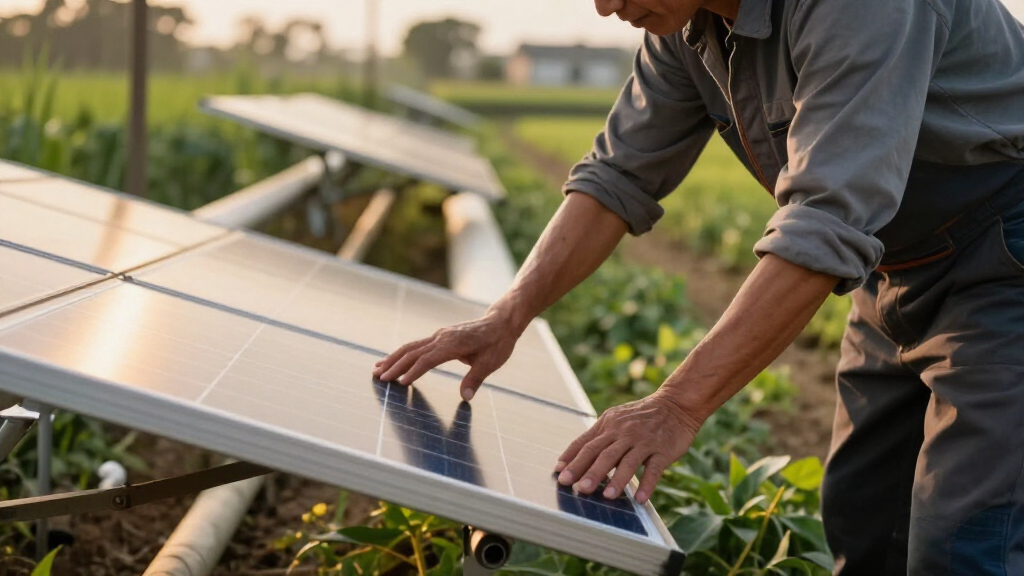
California is testing the installation of solar panels over irrigation canals to generate renewable energy and improve water management. This emerging trend aims to optimize land use and reduce costs, but broader implementation details are still under evaluation.
California is actively exploring the installation of solar panels over irrigation canals as a way to generate renewable energy while simultaneously managing water resources more efficiently. This approach, still in pilot stages, aims to maximize land use and reduce costs associated with traditional solar farm setups. The initiative is part of broader efforts to increase renewable energy capacity and water conservation in the state.
Multiple pilot projects are underway across California to test the feasibility of installing solar panels directly over irrigation canals. These projects involve placing solar arrays on structures that span the canals, allowing for electricity generation without taking up additional land. Officials from California’s water and energy agencies have confirmed that initial assessments suggest potential benefits in energy production and water conservation.
Experts involved in the pilot programs note that this method could reduce evaporation from open canals, lowering water loss, while also providing a new source of renewable energy. The approach leverages existing infrastructure, potentially lowering installation and maintenance costs compared to traditional solar farms. However, detailed data on long-term performance, environmental impacts, and economic viability remains limited at this stage.
According to preliminary reports, some projects have successfully installed solar panels that are resilient to water flow and weather conditions. Local farmers and water district officials have expressed cautious interest, emphasizing the need for further testing to understand operational challenges and impacts on water delivery systems.
Potential Impact on California’s Renewable and Water Management Goals
This initiative could significantly influence California’s efforts to meet its renewable energy targets and water conservation goals. By integrating solar power generation with existing irrigation infrastructure, the state may reduce land use conflicts and lower costs associated with solar farm development. Additionally, the potential reduction in water evaporation from canals could improve water availability during drought periods, which are becoming more frequent due to climate change. If successful, this model could serve as a blueprint for other regions facing similar land and water resource challenges.
solar panels for irrigation canals
As an affiliate, we earn on qualifying purchases.
As an affiliate, we earn on qualifying purchases.
Growing Interest in Dual-Use Infrastructure Solutions
The concept of combining renewable energy generation with water management infrastructure is gaining attention nationally and internationally. California, facing both energy demand and water scarcity issues, has been exploring innovative solutions for years. The current focus on solar panels over irrigation canals reflects a broader trend of seeking multi-benefit infrastructure projects that optimize land use and reduce environmental impacts.
Historically, California has relied on large, dedicated solar farms and extensive water infrastructure. The idea of overlaying solar panels on canals is relatively new but has gained momentum amid rising concerns about land availability, cost, and environmental sustainability. Previous studies and pilot projects in other regions have shown promising results, although comprehensive data is still emerging.
The trigger for increased interest appears to be a combination of technological advances, policy incentives, and the urgency of climate adaptation strategies. However, it is important to note that most current reports are preliminary, and full-scale implementation remains in the exploratory phase.
water management solar infrastructure
As an affiliate, we earn on qualifying purchases.
As an affiliate, we earn on qualifying purchases.
Uncertainties Surrounding Long-Term Performance and Environmental Impact
It is not yet clear how well the solar panels will perform over time when installed over irrigation canals, especially considering water flow, debris, and weather conditions. The environmental impacts, such as effects on aquatic ecosystems and water quality, are still being studied. Additionally, the economic viability, including installation and maintenance costs versus benefits, remains uncertain as pilot data is limited.
Further research is needed to determine whether this approach can be scaled effectively across California’s diverse water and land resources.
solar array mounting systems for canals
As an affiliate, we earn on qualifying purchases.
As an affiliate, we earn on qualifying purchases.
Next Steps in Pilot Testing and Data Collection
California agencies plan to continue monitoring current pilot projects over the next 12-24 months, collecting data on performance, environmental impacts, and operational challenges. Based on these findings, regulators and stakeholders will decide whether to expand the initiative or refine the approach. Researchers are also exploring technological improvements to enhance durability and efficiency of solar panels installed over water infrastructure.
Policy discussions and funding allocations are expected to follow, potentially paving the way for broader adoption if pilot results prove favorable.
As an affiliate, we earn on qualifying purchases.
Key Questions
What are the main benefits of installing solar panels over irrigation canals?
The main benefits include generating renewable energy without using additional land, reducing water evaporation from canals, and potentially lowering installation costs by utilizing existing infrastructure.
Are there environmental risks associated with this approach?
Environmental impacts are still being studied, particularly effects on aquatic ecosystems and water quality. Long-term environmental safety has not yet been fully established.
How soon could this method be scaled across California?
Scaling depends on the outcomes of ongoing pilot projects. If data shows positive results, broader adoption could occur within the next few years, but no definitive timeline has been set.
What challenges might arise in implementing solar panels over canals?
Potential challenges include ensuring durability against water flow and debris, managing environmental impacts, and integrating these systems with existing water and energy infrastructure.
Is this approach being used in other regions?
Similar dual-use infrastructure projects are being explored elsewhere, but California’s pilot programs are among the most advanced in testing this specific application over irrigation canals.
Source: hn
Evergreen bestsellers Picks
bestsellers
As an affiliate, we earn on qualifying purchases.