
TL;DR

Prime made for students and young adults
- Fast, free delivery for dorm and study essentials
- Prime Video and Amazon Music included
- Member-only deals
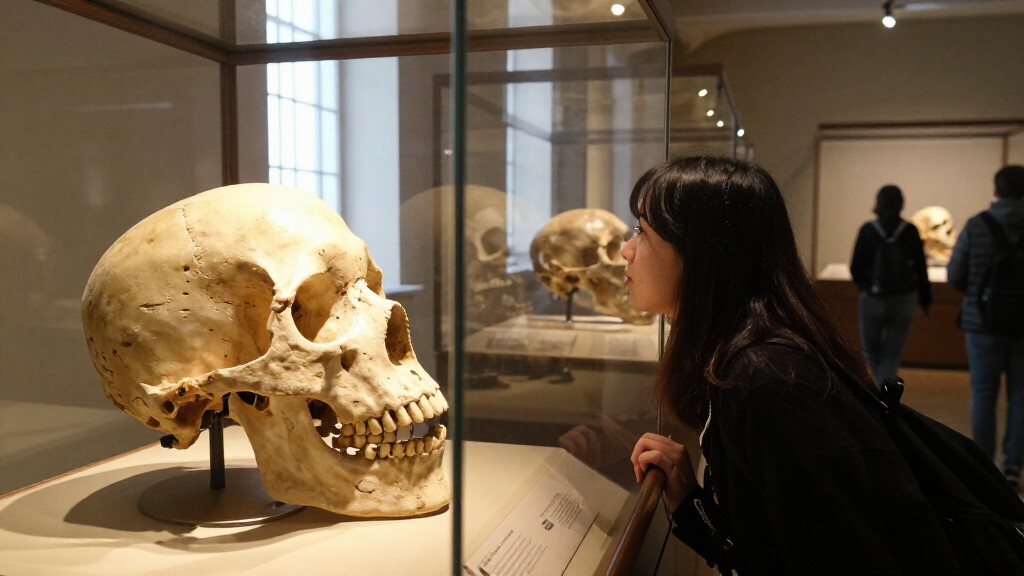
A History Today review presents Peter Sahlins’s Neanderthals Among Us as a history of Neanderthal research alongside portrayals in literature, film and everyday language. The book traces the shift from caricatures of brutish, inferior beings to evidence of care, cultural practices and interbreeding with Homo sapiens, while warning that genetic findings can be used to project assumptions about human identity.
History Today has reviewed Peter Sahlins’s Neanderthals Among Us, a book that follows how scientific research and popular culture have shaped ideas about Neanderthals, from nineteenth-century racial hierarchies to evidence of interbreeding with modern humans. The review describes the book as the first to bring together this scientific history with a broad survey of Neanderthal portrayals in novels, films, cartoons and other media.
According to the review, Sahlins connects the history of Neanderthal science with a wide-ranging collection of cultural depictions, including poetry, advertising and computer games. Its central theme is that “Neanderthal Man” has been an ever-changing figure, shaped as much by social ideas as by discoveries about fossils and ancient DNA. The book’s historical account begins before the 1856 discovery of Neanderthal 1 in Germany’s Neander Valley, tracing older European traditions of satyrs and Wild Men.
The review recounts how nineteenth-century craniology placed Neanderthals at the bottom of racialised hierarchies, even as they were treated as a “missing link” in accounts of human evolution. Popular depictions across the nineteenth and twentieth centuries often cast them as brutish and sexually violent. The review cites the 1911 novel Quest for Fire and its 1981 film adaptation, as well as the Clan of the Cave Bear books, as examples of stories that drew on such imagery.
That caricature was challenged by archaeological discoveries and later genetic research. The review discusses evidence of Neanderthal survival after serious injuries, burials, and the 2010 mapping of the Neanderthal genome. It says repeated interbreeding with Homo sapiens left Neanderthal DNA in populations around the world. Sahlins also examines consumer ancestry reports and cautions against treating genetics as a complete explanation of human behaviour.
How Neanderthals Became a Cultural Measure
The review’s broader point is that portrayals of Neanderthals have often served as a shorthand for judging other people. The word has been used as an insult for those described as violent, unintelligent or backward; the review notes that progressive movements in North America applied it to reactionaries, anti-feminists and conservatives. Sahlins also uses a news-language corpus to identify a worldwide spike in English-language uses of “Neanderthal” around Donald Trump’s presidential campaigns. The review does not provide a baseline or detailed figures for that pattern, so it should be understood as a reported observation, not a quantified measure of change.
Putting these uses beside scientific findings matters because it shows how accounts of human origins can carry contemporary assumptions about race, gender and social behaviour. Evidence of shared ancestry and interbreeding complicates a simple division between Neanderthals and modern humans. Sahlins’s book, as described by the reviewer, asks readers to distinguish what fossils and DNA can establish from the meanings people attach to them.
As an affiliate, we earn on qualifying purchases.
From the Neander Valley to Ancient DNA
In 1856, quarrymen found bones in a cave in the Neander Valley in western Germany. Local schoolteacher Johann Carl Fuhlrott collected them and took them to the University of Bonn, where they were recognised as very old remains that might represent an early European population. The specimen later known as Neanderthal 1 became the first ancient hominin recognised as belonging to another species, Homo neanderthalensis. The review says fossil-bearing sites in Europe and West Asia have yielded more than 350 Neanderthal individuals.
Scientific interpretations and popular images did not change in lockstep. After the Second World War, discoveries such as a severely injured Neanderthal found at Shanidar Cave in Iraq helped challenge the image of the incapable brute; other remains were associated with elaborate burial practices. The mapping of the Neanderthal genome in 2010 added evidence of interbreeding. Together, these developments provide the historical frame for Sahlins’s account of how scientific evidence and cultural stereotypes have repeatedly reshaped one another.
“The Neanderthal genome remains “something of a Rorschach test onto which people project ideas and assumptions about ancestry and what it means to be human – or differently human”.”
— Peter Sahlins, as quoted in the History Today review
As an affiliate, we earn on qualifying purchases.
Limits of the Genetic Evidence
The review’s account of the book does not provide the full supporting detail for every scientific claim it mentions. It refers to a 2026 discovery suggesting that interbreeding was predominantly between Neanderthal males and human females, but the supplied review excerpt ends before completing its discussion of that finding. The researchers, evidence and qualifications behind the result are therefore not specified here.
The review also reports that nearly a third of the Neanderthal genome survives as fragments scattered across the DNA of the global population, but it does not explain the measurement or how that figure relates to the share of Neanderthal ancestry in any individual. Sahlins’s own reported ancestry estimate is 2.1 per cent, described as average. These figures refer to different claims and should not be treated as interchangeable. The source does not establish how widely consumers relied on ancestry reports or what effects those reports had on their understanding of identity.
prehistoric archaeology documentary DVD
As an affiliate, we earn on qualifying purchases.
As an affiliate, we earn on qualifying purchases.
Further Research and Reception
The review presents a book that brings together a long history of research and a broad cultural archive, rather than announcing a new study or policy change. Readers seeking to assess its account of the reported 2026 interbreeding finding will need the underlying research and its publication details, which are not included in the supplied review text. Further reporting can clarify the study’s methods, the scope of its conclusions and how specialists assess them.
The broader conversation is likely to continue as ancient-DNA research develops and as new portrayals of Neanderthals appear in public culture. The book’s argument, as described by History Today, is that those developments merit separate scrutiny: what the evidence indicates about Neanderthal lives, and what modern societies choose to make those lives represent.
As an affiliate, we earn on qualifying purchases.
Key Questions
What is Neanderthals Among Us about?
According to History Today’s review, Peter Sahlins’s book examines both the scientific history of Neanderthal research and portrayals in literature, film, art and popular media.
What does the review say about Neanderthal ancestry?
It says that ancient-DNA research indicates repeated interbreeding between Neanderthals and Homo sapiens, leaving Neanderthal DNA in populations around the world. The review does not give enough methodological detail to assess all the genetic figures it cites.
How did popular portrayals of Neanderthals change?
The review describes a long history of images that presented Neanderthals as brutish or inferior, followed by challenges from archaeological and genetic findings that point to more complex lives and relationships with modern humans.
What is unclear about the reported 2026 finding?
The review excerpt refers to research suggesting interbreeding was predominantly between Neanderthal males and human females, but it does not identify the study or provide its evidence, methods or qualifications.
Source: hn
Halloween Picks
halloween
As an affiliate, we earn on qualifying purchases.