
TL;DR
To prepare for college weekend getaways, set a flexible plan, budget wisely, pack light with essentials, and prioritize safety. Smart planning makes trips smoother, more affordable, and more fun.
Imagine packing your bag in 10 minutes, hopping on a bus, and arriving at a new city or scenic spot, ready to unwind. Sounds perfect, right? But without a little prep, even the most exciting weekend getaway can turn into chaos. The key is simple: plan smart, pack light, and stay safe. This guide helps you get ready for spontaneous trips that are fun, affordable, and stress-free.
Whether you’re heading to a nearby beach, a mountain trail, or exploring a new city with friends, knowing what to do before you leave makes all the difference. Let’s walk through how to turn those weekend escapes into memorable, hassle-free adventures—no matter your budget or destination.
Start planning your trip at least two weeks in advance to save up to 50% on transportation and accommodation.
Create a simple, versatile packing list focused on comfort and weather, avoiding bulky luggage.
Use apps and online deals to find affordable transportation and lodging, and book early.
Share your plans with friends or family and carry essential safety gear to stay protected.
Leverage trends like eco-friendly travel options and digital tools to enhance your experience.
How to Nail Your Weekend Trip Planning in 3 Easy Steps
Great planning starts with clarity. First, pick your destination based on how far you want to travel and what interests you. Understanding your destination helps you prioritize what’s most important—whether it’s hiking, shopping, or relaxing at the beach. Next, sketch a flexible itinerary that balances must-see spots with free time. This flexibility allows you to adapt to weather changes or spontaneous discoveries, making the trip more enjoyable and less stressful. Finally, double-check transportation options and accommodations early to lock in the best deals. Early planning not only saves money but also reduces last-minute scramble, giving you peace of mind and more time to enjoy your trip.
For example, a group of friends planning a trip to a nearby national park might decide to leave Friday afternoon, hike Saturday morning, and relax Sunday. They research bus schedules, book a hostel, and create a rough timeline. This prep prevents last-minute stress and makes the trip flow smoothly, ensuring everyone has a good time without feeling rushed or overwhelmed.
compact travel backpack for college students
As an affiliate, we earn on qualifying purchases.
As an affiliate, we earn on qualifying purchases.
Budgeting Without Breaking the Bank: Your Ticket to Stress-Free Traveling
Budgeting isn’t just about setting a spending limit; it’s about strategic allocation to maximize your experience while avoiding financial stress. When you set a clear budget—say, $150—you’re forced to prioritize what matters most, whether that’s fun activities, good food, or saving for emergencies. Dividing your budget into categories like transportation, food, activities, and emergencies helps you see where your money should go and prevent overspending in one area at the expense of another. Using student discounts, apps, and websites to find deals amplifies your savings, but it’s equally important to consider tradeoffs—opting for free or low-cost activities might mean missing out on certain experiences but allows you to enjoy more destinations or better accommodations.
For instance, booking bus tickets two weeks ahead might save 40%, but choosing a cheaper hostel or cooking your own meals can free up funds for special experiences or souvenirs. Smart budgeting involves balancing costs and experiences, so you enjoy your trip without financial anxiety. This way, spontaneous adventures don’t lead to financial regret afterward but become a source of lasting memories and lessons in financial planning.
As an affiliate, we earn on qualifying purchases.
Pack Smart: The Only Packing Checklist You Need for Weekend Trips
When it comes to packing, less is more—but that doesn’t mean sacrificing essentials. Focus on versatile clothing—think a pair of jeans, a hoodie, and weather-appropriate layers—because packing items that serve multiple purposes reduces bulk and simplifies dressing options. For example, a lightweight jacket can be used for warmth and rain protection. Don’t forget chargers, toiletries, and a small first aid kit—these essentials can mean the difference between a smooth trip and a minor crisis. Use a checklist to ensure you don’t forget important items like your student ID, medications, or any necessary documents. Planning your packing around the activities you’ve scheduled ensures you’re prepared without overloading your bag, which can make travel more cumbersome and stress-inducing.
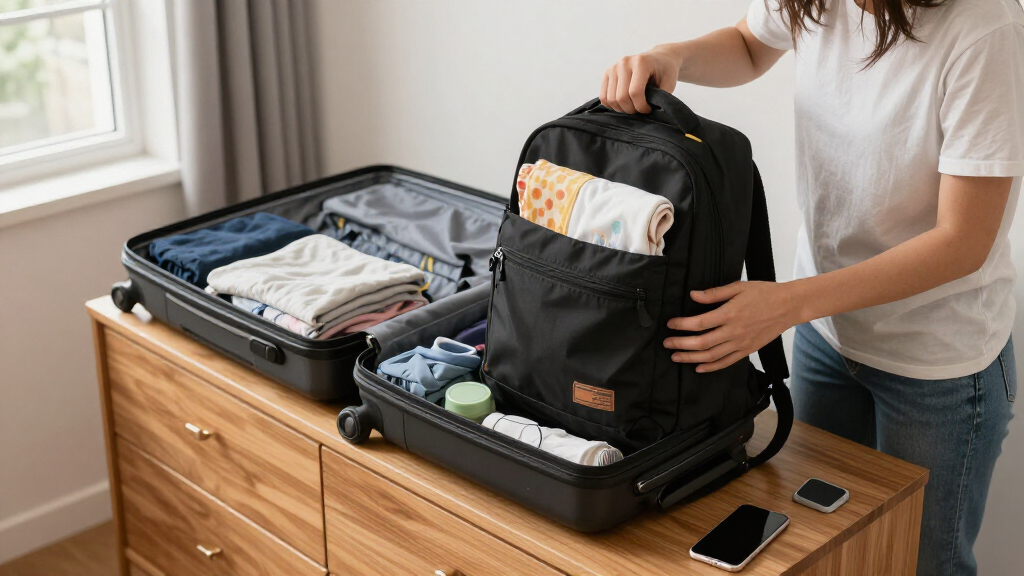
Picture yourself with a compact backpack filled with just enough to keep comfortable—no bulky suitcases needed. Packing light enhances mobility, reduces the risk of lost luggage, and allows more room for souvenirs. It also means quicker packing and unpacking, giving you more time to enjoy your destination rather than stressing over your luggage.
As an affiliate, we earn on qualifying purchases.
Getting There: How to Find the Best Transportation Deals
Transportation costs can significantly impact your overall trip budget and experience. Booking bus, train, or flight tickets at least two weeks in advance is crucial because prices tend to rise as departure dates approach. Early booking not only saves money—sometimes up to 50%—but also secures your preferred times and seats, reducing last-minute stress. Carpooling with friends via group chat or renting a small vehicle can be more economical and flexible, especially when traveling in a group. Additionally, researching local public transit options at your destination can help you cut costs further; many cities offer student discounts or day passes that make exploring affordable and convenient.
For example, a student heading to a college town might find a round-trip bus ticket for $20 if booked early, versus $50 last-minute. This kind of planning ensures you get to your destination on time, comfortably, and without breaking the bank, all while leaving room in your budget for activities once you arrive.
lightweight packing cubes for weekend trips
As an affiliate, we earn on qualifying purchases.
As an affiliate, we earn on qualifying purchases.
Stay Safe and Healthy: Your Must-Know Travel Tips
Safety isn’t just a precaution; it’s a foundation for enjoying your trip fully. Sharing your plans with friends or family provides a safety net—if something unexpected happens, someone knows where you are. Keep emergency contacts, medications, and a portable phone charger readily accessible—these are your basic safety essentials. Trust your instincts: if a place or situation feels off, don’t hesitate to leave. This awareness can prevent minor issues from escalating into serious problems. Think of safety as your travel insurance—it’s about proactively managing risks to keep your trip enjoyable and stress-free. Using safety apps that share your location with trusted contacts or alert authorities can be especially helpful when exploring unfamiliar areas, adding an extra layer of security and peace of mind.
In the end, prioritizing safety allows you to focus on making memories rather than worrying about what could go wrong. It’s about balancing adventure with caution, ensuring that your spontaneous trips remain fun, safe, and memorable.
Where to Stay? Finding the Perfect Spot for Your Weekend Escape
Choosing the right accommodation can significantly influence your trip’s overall experience and budget. Options like crashing with friends, booking hostels, or trying Airbnb each have their pros and cons. Early booking often provides access to better rates and availability, especially during peak travel times. Considering proximity to your planned activities is also crucial—staying within walking distance or close to public transit can save time and transportation costs, giving you more flexibility and freedom during your trip. For example, booking a cozy Airbnb for $60 a night close to downtown allows you to spend more time exploring and less on taxis or buses, making your trip more relaxed and enjoyable. Your choice of accommodation isn’t just about cost; it sets the tone for your experience, influences your safety, and impacts how much you get out of your weekend adventure.
Using Tech to Make Your Trip Smooth and Safe
Leveraging technology can transform your travel experience from stressful to seamless. Download offline maps, travel apps, and safety tools before you leave—these resources help you navigate unfamiliar areas without relying solely on internet connectivity. Apps like Google Maps, TripIt, and local transit apps offer real-time directions, itinerary management, and transit schedules, reducing confusion and delays. Sharing your itinerary with friends or family through these apps adds an extra layer of security, allowing others to track your progress and assist if needed. Additionally, having offline maps saved on your device ensures you won’t get lost if Wi-Fi or mobile data drops out—crucial when exploring unfamiliar streets or trails. Embracing these digital tools makes your trip more efficient, safe, and enjoyable, especially when venturing into new environments.
Recent Trends: What’s Changing in College Weekend Travel
Recent trends highlight a shift toward more sustainable and cost-effective travel options. Eco-friendly choices like renting bikes, choosing eco-lodges, or utilizing public transit not only reduce your carbon footprint but can also enhance your travel experience by immersing you more deeply in local environments. Budget platforms such as Hostelworld and Airbnb now offer extensive student discounts, making it easier to find affordable accommodations that suit a variety of preferences. Travel safety apps are also increasingly sophisticated, providing real-time alerts about weather, local issues, or emergencies—crucial for making informed decisions on the go. By adopting these trends, students can enjoy greener, safer, and more economical trips, which often translate into richer experiences and a greater sense of responsibility toward the environment and community.
Understanding and leveraging these evolving options means your trips can be more than just fun—they can also be meaningful and aligned with broader values of sustainability and safety, all while keeping costs in check.
Frequently Asked Questions
How early should I book transportation for a weekend trip?
Book at least two weeks in advance whenever possible. Early bookings can cut costs by up to 40-50% and ensure you get your preferred times and seats.
What should I pack for a short weekend getaway?
Pack versatile clothing, chargers, toiletries, medications, and a small first aid kit. Stick to essentials to keep your bag light and manageable.
How can I stay safe while traveling with friends?
Share your itinerary with someone you trust, use safety apps, carry emergency contacts, and trust your instincts. Always have a plan for emergencies.
What are some inexpensive activities I can do during a weekend trip?
Look for free city tours, parks, beaches, or cultural events. Many destinations offer free or low-cost attractions perfect for students.
How do I find the best deals on accommodations?
Book early through platforms offering student discounts like Airbnb or Hostelworld. Staying slightly outside popular areas can also save money.
Conclusion
Spontaneity is part of the college experience, but a little prep makes those weekend escapes smoother and more fun. Focus on planning ahead, packing smart, and staying safe. When you combine curiosity with a dash of organization, every trip becomes a story worth telling.
Next time you’re packing your bag, remember: the best adventures start with a plan. So go ahead—set your destination, pack light, and make every weekend memorable.