TL;DR
Choosing the right college backpack means balancing size, comfort, durability, and style. A well-chosen pack can prevent back pain and keep your tech safe, lasting through years of campus life.
Imagine lugging around 20 pounds of textbooks, a laptop, and supplies every day — without back pain or discomfort. It’s not just about style; your backpack impacts your health, organization, and even your confidence. Choosing the right one isn’t a luxury; it’s a necessity for smooth campus life.
In this guide, you’ll learn how to pick a backpack that fits your needs, fits your budget, and lasts through years of classes, study sessions, and weekend adventures. Ready to find your perfect match?
Prioritize a capacity between 20-30 liters for balanced space and portability.
Choose backpacks with padded straps and supportive back panels to avoid discomfort.
Durability depends on water-resistant fabrics and reinforced stitching — don’t skimp here.
Tech features like padded compartments and USB ports add convenience but watch your budget.
Invest in security features for peace of mind in crowded campus environments.
How to Pick a Backpack That Fits Your Day-to-Day Needs
Start with size. A 20-30 liter capacity usually covers textbooks, notebooks, and a laptop. For example, a typical 15-inch MacBook fits snugly into a padded compartment on most backpacks of this size.
Think about your daily load. If you carry gym clothes or a lunchbox, add extra volume. If you mostly walk or bike, lightweight and slimmer designs become more comfortable.
For instance, a freshman who bikes to campus might prefer a sleek, slim pack that won’t bounce around, while a student with a car might opt for a larger, more organized bag.
Choosing the right size is crucial because an overly large bag can cause you to carry excess weight, leading to strain, while a too-small bag might not fit everything you need, forcing you to leave essentials behind. Consider your typical daily items and how the bag distributes weight—this impacts comfort and posture over time.

JanSport Cool Backpack, with 15-inch Laptop Sleeve – Large Computer Bag Rucksack with 2 Compartments, Ergonomic Straps, Black
- Trusted Brand with Lifetime Guarantee: Includes lifetime repair or replacement
- Iconic Design with Comfort Features: Leather bottom, ergonomic straps, padded back
- Durable and Stylish Materials: Made with tough fabric, zippers, and straps
As an affiliate, we earn on qualifying purchases.
As an affiliate, we earn on qualifying purchases.
The Comfort Test: Why Ergonomics Matter More Than Looks
Comfort is king. Look for padded shoulder straps, a padded back panel, and adjustable straps. These features distribute weight evenly and prevent strain. Imagine walking across campus with a backpack that feels like a brick — it’s a quick way to back pain.
According to an anonymous researcher, backpacks with weight-distributing features reduce the risk of back and shoulder pain by up to 40%. That’s a big deal over four years.
Try on different models, load them with your daily gear, and walk around. Does it sit comfortably? Is the weight evenly spread? Your back will thank you. Remember, a poorly fitting backpack can cause postural issues, muscle strain, and long-term discomfort. Investing in ergonomic features isn’t just about comfort; it’s about your health and academic performance, as pain and fatigue can distract you from studies.
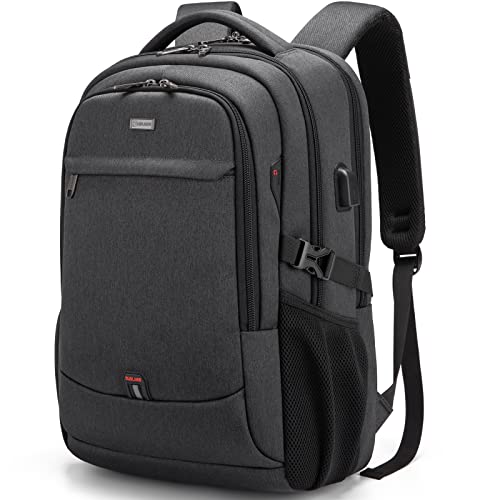
DUSLANG 17 Inch Laptop Backpack for Travel Water Resistant College Backpack for Men/Women Laptop Bag with USB Charging Port,Black
- Laptop compartment fits various sizes: Fits 13-17 inch laptops and iPads
- Ample storage for accessories: Multiple pockets for tech and essentials
- Comfortable airflow back design: Ventilated padding for maximum support
As an affiliate, we earn on qualifying purchases.
As an affiliate, we earn on qualifying purchases.
Durability and Material Choices You Can Count On
College life demands a tough backpack. Water-resistant fabrics like nylon or polyester keep your stuff dry during unexpected rainstorms. Reinforced stitching and sturdy zippers add longevity. But beyond the materials, understanding why these features matter helps you make smarter choices.
For example, a backpack with a high-denier nylon shell and YKK zippers isn’t just about durability; it reflects a design that accounts for daily wear and tear, exposure to the elements, and frequent use. Choosing such features means fewer replacements and more value over time. Think about what happens if your bag gets caught in a rainstorm—if it’s not water-resistant, your books and electronics could be ruined, leading to inconvenience and expense. So, investing in quality materials is about protecting your investment and ensuring your bag can withstand the unpredictable nature of campus life. Additionally, consider how the materials age; high-quality fabrics tend to resist fraying and tearing longer, saving you money and hassle in the long run.

Extra Large Backpack for Men 50L,Water Resistant 17.3 inch Travel Laptop Backpack with USB Charging Port,TSA Friendly Big Business Anti Theft Computer Bag Work College School Bookbags Gifts,Black
- Large Capacity with Multiple Pockets: 20 pockets including padded laptop compartment
- TSA Friendly Design: Allows laptop to stay in bag during security checks
- Versatile Use: Suitable for travel, business, school, and outdoor activities
As an affiliate, we earn on qualifying purchases.
As an affiliate, we earn on qualifying purchases.
Tech-Savvy Features: Protect Your Devices and Power Up
College backpacks with dedicated padded compartments for laptops (up to 17 inches) are a must. If you carry tech, look for features like USB charging ports or RFID-blocking pockets. These small touches make a big difference.
For instance, a student with a 13-inch MacBook and a tablet benefits from a backpack with a dedicated sleeve, keeping everything protected and organized. But beyond mere protection, these features can significantly enhance your daily efficiency and security.
Recent trends include solar panels and built-in power banks, but check if these features fit your daily routine and budget. For example, a built-in USB port allows you to recharge devices on the go, reducing the need for multiple chargers and outlets. RFID-blocking pockets help guard against electronic theft, which is increasingly relevant in crowded or busy campus settings. Incorporating these features can streamline your day, protect your investments, and give you peace of mind. Be mindful, though, that added tech features often come at a higher cost, so consider whether they align with your actual needs and budget constraints.
DUSLANG 17 Inch Laptop Backpack for Travel Water Resistant College Backpack for Men/Women Laptop Bag with USB Charging Port,Black
- Laptop compartment fits various sizes: Fits 13-17 inch laptops and iPads
- Ample storage for accessories: Multiple pockets for tech and essentials
- Comfortable airflow back design: Ventilated padding for maximum support
As an affiliate, we earn on qualifying purchases.
As an affiliate, we earn on qualifying purchases.
Style Meets Function: Finding a Backpack That Matches Your Vibe
Your backpack says a lot about you. Whether you prefer sleek minimalism or bold patterns, ensure it matches your style while remaining practical. For example, a clean black backpack with subtle reflective accents works well for both class and casual hangouts.
Colors, patterns, and materials vary widely. Choose something that makes you feel confident and comfortable, because you’ll be seen with it every day.
Remember, a style-forward backpack that’s poorly constructed won’t last long — look for balanced design and quality materials.
Beyond aesthetics, consider how the style impacts your daily life. A trendy bag made from cheap materials may look good initially but could fall apart quickly, costing you more in replacements. Conversely, a classic design with durable fabric might feel more reliable and timeless. Your choice should reflect both your personality and a thoughtful balance of style and longevity.
The Organization Edge: Multiple Pockets and Secure Storage
College backpacks with multiple compartments help you stay organized. Keep your pens, chargers, and snacks in separate pockets. Hidden or lockable compartments add security for valuables.
For example, a backpack with a front zip pocket for keys and a hidden sleeve for your wallet keeps your essentials accessible and safe.
Think about what you carry daily. Do you need a space for your gym shoes? An extra pocket for your lunch? Prioritize organization features that match your routine. Well-planned compartments can save time during hectic mornings, prevent lost items, and help you stay focused on your studies. The tradeoff is that more compartments often add weight or complexity; choose a design that balances functionality with simplicity to avoid unnecessary bulk.
Safety First: Spotting Anti-Theft and Security Features
Security features like lockable zippers, RFID-blocking pockets, and hidden compartments matter. They help prevent theft, especially on crowded campuses or during travel.
Imagine having your passport or student ID stolen — a backpack with RFID-blocking pockets can protect your cards from electronic pickpocketing.
Always check if the backpack’s zippers can be secured with a small lock and if valuables can be hidden from prying eyes. These features are especially important if you frequently carry expensive electronics or personal documents. While they add a layer of security, they may also introduce slight inconvenience—such as extra steps to access your belongings. Balancing security with ease of access is key to choosing features that fit your lifestyle without frustration.
Budgeting Without Sacrificing Quality: What to Expect Price-Wise
High-quality backpacks typically cost between $50 and $150. You don’t need to spend a fortune to get durability and comfort, but avoid the cheapest options that fall apart quickly.
For example, a $70 North Face backpack often features reinforced seams and water resistance, offering great value.
Balance your budget with your needs. Sometimes investing a little more upfront saves money in replacements later. Consider the long-term benefits: a more expensive backpack made from quality materials will likely last through multiple years of heavy use, saving you money and hassle. Conversely, opting for the cheapest option might seem like a deal initially but could lead to frequent repairs or replacements, costing more over time. Think of your backpack as an investment in your daily comfort and security, rather than just a one-time purchase.
Recent Trends Shaping College Backpack Choices
Eco-friendly fabrics, tech integrations, and minimalist designs are on the rise. Recycled materials are now common, making backpacks more sustainable.
Smart features like built-in charging ports are handy if you’re always on the go. And, slim profiles help you navigate crowded halls without feeling bulky.
For example, a student might choose a sleek, recycled-polyester pack with a USB port for quick device charging between classes. These trends reflect a growing awareness of environmental impact and technological convenience, but they also come with tradeoffs. Eco-friendly materials might be pricier or less durable than traditional fabrics, and high-tech features can add weight or complexity. Carefully assess whether these trends align with your priorities and budget, as embracing them may mean sacrificing some durability or simplicity for innovation and sustainability.
Frequently Asked Questions
How do I know what size backpack is right for me?
Aim for a 20-30 liter capacity, enough to hold textbooks, a laptop, and daily essentials. Try on different sizes loaded with your gear to see what feels comfortable and balanced.Are waterproof backpacks really necessary?
If you commute in rainy weather or walk long distances, water-resistant fabrics protect your belongings. Even a simple splash guard can save your books and electronics.What features should I look for if I carry a lot of tech?
Focus on padded laptop compartments, multiple pockets for accessories, and optional USB charging ports. These keep your devices safe and easily accessible.How much should I expect to spend on a good backpack?
High-quality options range from $50 to $150. Spending a bit more upfront often means greater durability, better comfort, and longer lifespan.Can I find eco-friendly backpacks that are still functional?
Yes, many brands now offer recycled or sustainable fabrics that are durable and stylish. They’re a smart choice if you want to reduce your environmental impact.Conclusion
Your backpack isn’t just a carrier — it’s a daily health ally, organizer, and style statement all rolled into one. Picking the right one means thinking through your needs, comfort, and how long it will last.
Remember, a well-chosen backpack can make your college years smoother, safer, and even more fun. So, go ahead — find one that fits your life and own it.