
TL;DR
In a dorm room, space is tight but being prepared is crucial. This guide shows you how to choose, store, and keep emergency supplies accessible, ensuring you’re ready for any crisis without cluttering your tiny space.
Choose compact, multi-purpose supplies that fit your limited dorm space without sacrificing essentials.
Designate a specific, visible spot for your emergency kit to ensure quick access when seconds matter.
Regularly check and refresh your supplies—expiration dates and items change over time.
Use vertical and under-bed storage solutions to maximize space and keep your supplies organized.
Prepare for different emergencies by packing adaptable items like a fire blanket, portable charger, and first aid kit.
Pick the Right Supplies and Know What’s Essential
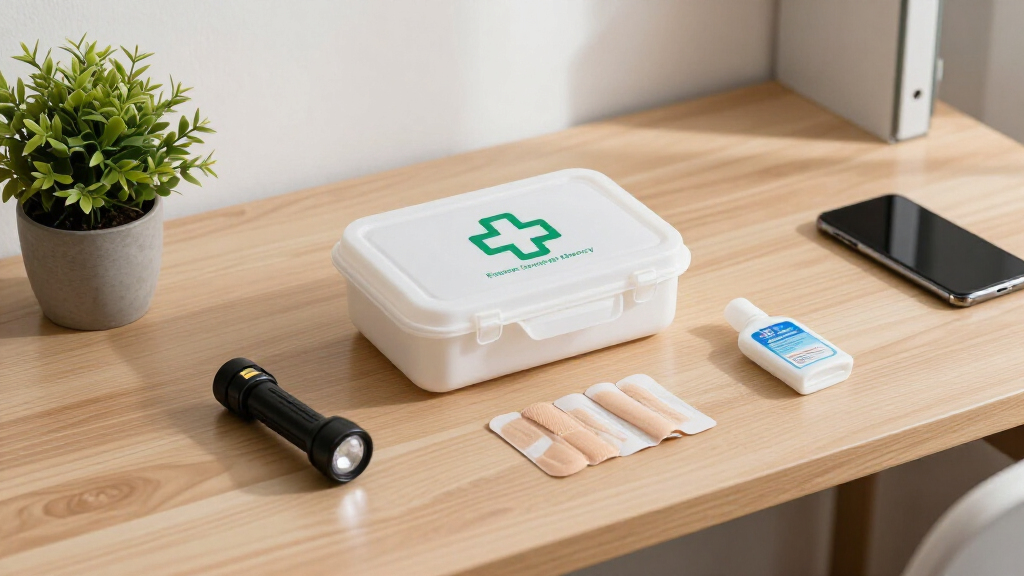
Having the right supplies is the first step. Think of your dorm emergency kit as your survival toolkit. It should include non-perishable food, water, a first aid kit, a flashlight, and personal hygiene items. For example, a 3-day supply of water (about 1 gallon per person per day) and energy bars are essentials. Also, keep important documents like your student ID and emergency contacts in a waterproof folder.
According to safety experts, including items like masks, hand sanitizer, and a portable phone charger can be game-changers during health crises or power outages.
Choosing the right supplies isn’t just about ticking boxes; it’s about understanding what you’ll need in different scenarios. For instance, lightweight, compact food options save space but may not provide enough calories for longer emergencies. Prioritizing multi-purpose items, like a multi-tool or a blanket that can serve multiple functions, can help you maximize limited space. Remember, every item should serve a purpose and be easy to access quickly.
Furthermore, consider the tradeoffs involved in your choices. Compact, lightweight foods are easier to store but might lack nutritional density or satiety, which could leave you feeling hungry or fatigued. Larger water containers are more cumbersome but provide more hydration over time. Balancing these considerations ensures your kit is both practical and effective for your specific needs.
As an affiliate, we earn on qualifying purchases.
Use Smart Storage to Maximize Tiny Dorm Space
Small dorm rooms mean every inch counts. Use stackable plastic bins, drawer organizers, or under-bed storage to keep supplies tidy. Label each container clearly — think ‘First Aid,’ ‘Food,’ ‘Tools.’ For example, a shallow bin on your closet shelf can hold batteries, while a larger one under your bed stores extra blankets and non-perishable food.
Keep frequently used items at eye level or in a quick-reach drawer. This way, when an emergency hits, you don’t have to dig through clutter.
Choosing the right storage solutions also involves considering how accessible they are during stressful moments. For example, under-bed storage is great for bulk items but may be hard to access quickly in a panic. Conversely, wall-mounted shelves keep things off the floor and visible but require permission to install and may have weight restrictions. Balancing these options based on your specific dorm layout ensures your supplies are both safe and readily available during emergencies.
It’s important to think critically about your storage choices. While under-bed storage maximizes space, it can be difficult to access quickly, which might delay retrieval during an emergency. Wall-mounted shelves improve visibility and accessibility but could be limited by dorm regulations or weight restrictions. Weighing these tradeoffs helps you design a system that balances convenience, safety, and compliance, ensuring your supplies are both protected and quickly reachable when needed.
under-bed storage containers for dorm
As an affiliate, we earn on qualifying purchases.
As an affiliate, we earn on qualifying purchases.
Create a Clear, Visible Emergency Corner
Visibility speeds up response time. Dedicate a corner or a small shelf for your emergency supplies. Use transparent containers so you see everything at a glance. For example, a clear plastic bin with a bright red label can serve as your ‘Emergency Kit.’ Keep a printed checklist nearby to track supplies and expiration dates.
This not only keeps supplies in one spot but also makes it easy to check and restock before each semester. A designated emergency corner minimizes the risk of forgetting crucial items or wasting valuable time searching during a crisis. It also helps maintain order, so your supplies don’t get buried under everyday clutter. Remember, the goal is to make your emergency kit as accessible and stress-free to locate as possible, reducing panic when seconds count.
Beyond mere placement, consider the psychological benefits of a dedicated emergency corner. Having a specific spot can foster a routine of regular checks and maintenance, which enhances overall preparedness. It signals the importance of readiness and helps embed it into your daily habits, making sure your supplies are always current and complete when an emergency arises.
As an affiliate, we earn on qualifying purchases.
Maintain and Update Your Supplies Regularly
An emergency kit isn’t a set-it-and-forget-it deal. Check expiration dates on food, water, and medications at least once every semester. Replace used or expired items promptly. For example, swap out old batteries or energy bars that are past their date. Also, review your emergency plan and contacts annually to stay current.
Staying proactive with your supplies involves understanding that some items degrade over time, such as batteries losing charge or food becoming unsafe to consume. Regular checks prevent you from relying on expired or ineffective items during a crisis, which could compromise safety. Setting reminders on your phone or calendar ensures these checks become routine, turning what might seem like a chore into a habit that keeps your preparedness current. The more diligent you are, the more confident you’ll feel knowing your kit is ready when needed.
It’s also crucial to consider the implications of outdated supplies. Using expired medications or spoiled food can pose health risks and diminish your ability to respond effectively. Regularly updating your kit ensures you avoid these hazards, maintaining its reliability and your safety. Developing a scheduled routine for inspections and updates embeds preparedness into your lifestyle, transforming it from an occasional task into an integral part of your safety culture.
As an affiliate, we earn on qualifying purchases.
Compare Storage Solutions for Small Dorms
| Solution | Pros | Cons |
|---|---|---|
| Stackable bins | Maximizes vertical space, easy to label | Can become hard to access items at the bottom |
| Under-bed storage | Hidden from view, extra space | Requires lifting or bending to access |
| Wall-mounted shelves | Keeps supplies off the floor, visible | Drilling may be restricted, weight limits |
Choosing the right storage depends on your dorm rules, available space, and personal habits. Combining solutions often works best. For example, under-bed bins for bulk items plus labeled containers on shelves for quick access.
It’s important to evaluate each storage method’s trade-offs. Stackable bins are great for maximizing space but can make accessing items at the bottom cumbersome, potentially delaying retrieval during emergencies. Under-bed storage offers discreetness and additional capacity but may require effort to access quickly, which can be problematic in urgent situations. Wall-mounted shelves improve visibility and keep items off the floor but could be limited by dorm regulations or weight restrictions. The key is to balance these factors based on your specific needs and to consider combining solutions to optimize both space and accessibility.
Understanding these trade-offs helps you make informed decisions about your storage system. For example, choosing only under-bed storage might save space but slow down access, whereas combining it with wall-mounted shelves can improve efficiency. Always consider your specific needs, accessibility during stress, and dorm rules when designing your storage plan.
Prepare for Multiple Types of Emergencies
Different emergencies demand different responses. Fires require fire extinguishers or blankets; power outages need portable chargers and extra batteries; medical emergencies call for well-stocked first aid kits with bandages, antiseptics, and medications. Recognizing these differences is vital because it influences what items you prioritize and how you organize them.
For example, during a campus blackout, students with portable chargers could keep their phones alive, helping them stay informed and connected. Conversely, a fire requires immediate action with extinguishers or blankets to suppress flames quickly. Medical crises demand quick access to first aid supplies, possibly saving lives or preventing deterioration. Understanding what each emergency entails allows you to tailor your kit effectively, ensuring you’re not caught unprepared for common dorm incidents. This tailored approach minimizes chaos because you’re addressing the specific needs of each situation rather than relying on a generic, one-size-fits-all kit.
Thinking ahead about multiple emergencies also involves understanding the implications of inadequate preparation. For example, neglecting to include a fire blanket or failing to have a charged portable charger can worsen outcomes during critical moments. A comprehensive, scenario-specific kit reduces response time and increases safety, giving you confidence that you can handle various crises efficiently and effectively.
Frequently Asked Questions
What are the absolute must-have items for a dorm emergency kit?
Essential items include water (at least 1 gallon per person), non-perishable food, a first aid kit, flashlight with extra batteries, personal hygiene supplies, important documents, and a portable phone charger. Keep these in a dedicated, easy-to-reach spot.
How can I store supplies efficiently in a small dorm room?
Use stackable bins, under-bed storage, and wall-mounted shelves. Label everything clearly, and keep frequently used items at eye level or in a quick-access drawer. This keeps your space tidy and supplies accessible during emergencies.
How often should I check and update my emergency supplies?
Perform a full review at least once each semester. Check expiration dates, replace used or expired items, and update contact info or emergency plans annually to stay prepared.
What are affordable ways to assemble an emergency kit?
Buy essentials in bulk, use dollar store containers, and repurpose everyday items like old shoeboxes or spare backpacks. Focus on high-impact, space-saving items like energy bars, bottled water, and basic first aid supplies.
How do I prepare for different types of emergencies?
Think through scenarios like fires, power outages, or health crises. Pack specialized supplies such as fire blankets, extra batteries, medications, and masks. Tailoring your kit to potential emergencies ensures you’re ready for whatever comes.