
TL;DR
Prime for Young Adults — start your free trial
Fast free delivery, streaming and member deals for eligible 18–24 year olds.
Try it freeAs an affiliate, we earn on qualifying purchases.
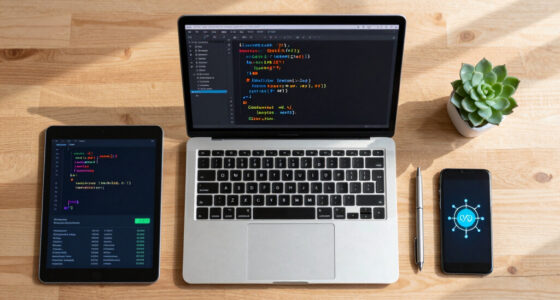
Many affordable digital notebooks and tablets under $200 now offer enough power for note-taking, studying, and collaboration. Recent advances include better hardware, stylus support, and eco-friendly options. Choosing the right device depends on performance, durability, and software compatibility.
When it comes to digital tools for school, your options are more capable—and more affordable—than ever. No longer do you need a hefty budget to get a device that can handle notes, research, and collaboration. Today’s budget-friendly tablets and notebooks pack enough punch to meet the demands of most students, from middle school to college.
Whether you’re replacing paper notebooks or upgrading from an old device, understanding what features matter helps you pick the perfect fit. This guide walks through the latest in affordable tech, recent trends, and practical tips for choosing a device that’s reliable, portable, and ready for schoolwork.
Budget-friendly devices under $200 can handle most student needs with proper specs—look for quad-core processors and 2-4GB RAM.
Chromebooks dominate the affordable device market because of their simplicity, low cost, and integration with Google’s ecosystem.
Adding accessories like keyboards and styluses can turn basic tablets into versatile study tools, often for under $50.
Recent hardware improvements mean budget devices now feature better screens, longer battery life, and stylus support.
Shop during sales and use student discounts to maximize savings on quality devices for school.
Affordable Digital Notebooks & Tablets for Students
Capable school technology no longer requires a premium budget. Devices under $200 can cover notes, research, reading, collaboration, and everyday coursework—if performance, battery life, durability, and software compatibility are chosen carefully.
Enough power is the smart target
Most students need reliable multitasking, not premium performance. Start with these three specifications, then weigh screen quality, weight, ports, and accessory support against the student’s actual routine.
Quad-core CPU
A sensible starting point for browser tabs, note-taking, educational apps, video lessons, and routine document work.
2–4GB RAM
Two gigabytes can cover light use; four gigabytes provides more breathing room for switching between school apps.
16–64GB
Cloud-first students may need less local space. Offline PDFs, downloads, and media projects make expandable storage valuable.
Where the budget should go
These relative priorities are a decision aid, not laboratory scores. They show what generally contributes most to dependable daily school use.
Student-value priority index
Three common budget formats
Prices vary by configuration, retailer, and sale period. Compare the complete study setup—including required keyboard, stylus, case, and storage—not just the device price.
| Device | Typical price | OS | Battery | Keyboard use | Stylus | Best fit |
|---|---|---|---|---|---|---|
| Lenovo IdeaPad Duet 3 | Around $200 | Chrome OS | Up to 10h | ✓ Detachable | ✓ Supported | Writing, web research, Google Classroom |
| Amazon Fire HD 10 | Around $150 | Fire OS | Up to 12h | ~ Optional | ✗ Limited | Reading, video, light coursework |
| Samsung Galaxy Tab A7 | Around $180 | Android | Up to 13h | ~ Optional | ~ Check model | Portable study, media, expandable storage |
Illustrative comparison based on the supplied guide data. Confirm current price, accessory compatibility, software support, and manufacturer specifications before purchase.
Pick the right device in five moves
A short decision process prevents feature creep. Begin with the student’s recurring tasks and finish by pricing the complete, protected setup.
Define tasks
Rank note-taking, essays, research, reading, drawing, and media use.
Match features
Choose keyboard, stylus, portability, screen, and storage priorities.
Verify software
Check school portals, Classroom, Office, accessibility, and app support.
Price the kit
Add the case, keyboard, stylus, adapter, and possible cloud storage.
Check longevity
Review updates, warranty, repair options, ports, and build quality.
Budget devices are becoming more capable
Features once concentrated in premium hardware are reaching entry-level products, narrowing the gap between “cheap” and genuinely useful.
Better screens
Improved panels make reading, annotation, and long study sessions more comfortable.
Longer battery life
Many affordable tablets now target eight to twelve hours of everyday use.
Stylus support
Handwritten notes, diagrams, highlighting, and drawing are increasingly accessible.
Affordable 2-in-1s
Detachable keyboards let one compact device shift between tablet and laptop modes.
Education-ready apps
Platforms are increasingly optimized for classroom, document, and collaboration workflows.
Repair and sustainability
Eco-friendly packaging and repair initiatives can improve long-term value and reduce waste.
Accessories complete the study setup
A basic tablet can become a practical writing and note-taking station with a few focused additions. Buy accessories that support recurring work rather than occasional edge cases.
Best for essays, research notes, email, and document-heavy coursework.
Useful for annotation, equations, diagrams, handwritten notes, and art.
Helps defend against backpack pressure, desk scratches, and everyday drops.
The student-value chain
Spend less without buying twice
- 1Use a quad-core processor, 2–4GB RAM, and 16–64GB storage as the practical baseline.
- 2Choose Chrome OS when Google Classroom simplicity and cloud collaboration are central.
- 3Prioritize eight-plus hours of battery life, portability, and a durable protective setup.
- 4Confirm app, stylus, keyboard, accessibility, and school-platform compatibility before buying.
- 5Compare sale pricing, educational discounts, warranty coverage, and the total accessory cost.
What makes a digital notebook or tablet truly budget-friendly?
Affordable devices typically cost under $200, but that doesn’t mean sacrificing performance. Look for a device with at least a quad-core processor, 2-4GB of RAM, and 16-64GB of storage. These specs ensure smooth multitasking and enough space for notes, PDFs, and apps.
For instance, a student using a Chromebook with a MediaTek or Intel Celeron processor, 4GB RAM, and 32GB storage can comfortably take notes, browse, and run educational apps. The key is balancing price with essential features—no need to overspend on high-end specs if basic multitasking suffices.
Durability and battery life matter, too. Look for lightweight devices with long-lasting batteries (8+ hours) that can survive a full day of classes and study sessions.
**Practical takeaway:** Focus on these core specs as a baseline; if a device exceeds them, it’s a bonus. If it falls short, consider whether your tasks require more power or if compromises in weight or battery life are acceptable. Remember, a well-chosen budget device that matches your needs will outperform a high-end device that’s overkill or difficult to carry.
affordable digital notebooks for students under $200
As an affiliate, we earn on qualifying purchases.
As an affiliate, we earn on qualifying purchases.
Why Chromebooks dominate the budget school device market
Chromebooks have surged in popularity among students because they’re simple, affordable, and cloud-connected. Many models cost between $150 and $250, offering fast startup times and seamless integration with Google Drive, Classroom, and other apps.
But why does this matter? Chromebooks’ streamlined OS means less complexity and fewer frustrations for students, especially those who rely on Google’s ecosystem. This simplicity translates into fewer technical issues, quicker setup, and easier management for schools and parents.
Imagine a high schooler using a $200 Chromebook to take notes, access online textbooks, and collaborate on group projects. Its lightweight design and 10-hour battery life make it perfect for all-day use.
**Practical takeaway:** If your child’s school uses Google Classroom or similar platforms, a Chromebook is not just affordable but also the most compatible choice. Investing in a device with a good keyboard, sturdy build, and decent battery life enhances productivity. Also, consider future-proofing by choosing a model with enough ports and support for accessories.
best budget tablets with stylus support for students
As an affiliate, we earn on qualifying purchases.
As an affiliate, we earn on qualifying purchases.
Compare popular budget devices side-by-side
| Device | Price Range | OS | Battery Life | Key Features |
|---|---|---|---|---|
| Lenovo IdeaPad Duet 3 | $200 | Chrome OS | 10 hours | 2-in-1 design, detachable keyboard, stylus support |
| Amazon Fire HD 10 | $150 | Fire OS | 12 hours | Great for media, limited app compatibility |
| Samsung Galaxy Tab A7 | $180 | Android | 13 hours | Lightweight, expandable storage, stylus support |
**Practical guidance:** When comparing these options, consider how you prioritize features: a 2-in-1 design for versatility, longer battery life for all-day use, or stylus support for note-taking and drawing. Think about your typical daily workload and whether you need a device primarily for media, reading, or intensive tasks. Use this comparison to identify which device aligns best with your educational needs and lifestyle.
Chromebooks for students under $200
As an affiliate, we earn on qualifying purchases.
As an affiliate, we earn on qualifying purchases.
How to pick the right device for your needs
- Assess your main tasks: note-taking, research, or media consumption.
- Match your needs with device features: stylus support, portability, or app ecosystem.
- Set your budget and look for devices within that range.
- Check compatibility with your school’s software and platforms.
- Consider accessories like protective cases or external keyboards for better usability.
**Practical guidance:** To make this process actionable, create a simple decision matrix. List your primary tasks and rank their importance—e.g., portability vs. stylus support. Then, shortlist devices that meet your top criteria and compare their specs and prices. For example, if note-taking and drawing are priorities, a device with stylus support and good screen quality should be at the top of your list. If budget is tight, focus on devices that cover your core needs without overspending on features you won’t use daily.
student-friendly digital note-taking devices
As an affiliate, we earn on qualifying purchases.
As an affiliate, we earn on qualifying purchases.
Recent trends making budget devices smarter and more durable
Budget devices now come with better screens, longer battery life, and stylus support—features once reserved for pricier models. For example, the Lenovo Tab series now includes stylus support for under $200, making note-taking and drawing a breeze.
But why do these improvements matter? They significantly expand the capabilities of affordable devices, enabling students to do more with less. A high-quality screen enhances readability and reduces eye strain during long study sessions, while longer battery life means fewer interruptions. Stylus support adds a creative or annotation dimension that previously required expensive equipment.
Manufacturers also focus on eco-friendly packaging and repair programs, helping students get more value over time. These trends indicate that budget devices are becoming more resilient, versatile, and aligned with educational needs—reducing the tradeoffs typically associated with lower-cost tech.
**Practical takeaway:** Recognize that investing in a device with these recent enhancements can extend its usefulness and improve your learning experience, often without increasing your budget. Prioritize models with durable screens, long battery life, and stylus support if these features align with your educational activities.
How accessories boost your affordable tablet’s usefulness
Adding a keyboard, stylus, or protective case can vastly improve your device’s lifespan and functionality. For instance, a student using a Lenovo Tab with a detachable keyboard can type essays more comfortably and switch between note-taking and research modes easily.
Styluses allow precise note-taking and drawing, especially with devices like Samsung Galaxy Tab A7 or Lenovo Tab series. Protective cases shield from drops and scratches, critical in busy dorms or backpacks.
**Practical guidance:** Focus on accessories that complement your device’s core functions. A keyboard transforms a tablet into a mini laptop, ideal for writing papers or coding. Styluses enhance creativity and note accuracy, which is crucial for subjects that involve diagrams or annotations. Protective cases aren’t just for aesthetics—they safeguard your investment and can save money on repairs over time. When choosing accessories, consider their compatibility, durability, and ease of use to maximize your device’s lifespan and productivity.
Where to find discounts and deals on student tech
Look for back-to-school sales, student discounts, and bundle offers. Many brands, like Google, Samsung, and Lenovo, provide special pricing for students or educational institutions.
But how can you make sure you’re getting the best deal? Start by comparing prices across multiple retailers and checking official student discount programs. Signing up for newsletters or alerts can notify you of upcoming sales, especially during peak shopping seasons like late summer or back-to-school periods.
**Practical guidance:** Develop a simple shopping plan: set a maximum budget, identify your preferred models, and track prices over a few weeks. Use price comparison tools and verify if your school offers additional discounts. Combining sales events with student discounts often yields the best savings, allowing you to afford a higher-quality device within your budget.
Frequently Asked Questions
What is the best affordable tablet for elementary or middle school students?
For younger students, the Amazon Fire HD 10 offers a budget-friendly option around $150, with enough screen size and parental controls for homework and media. It’s durable, simple to use, and compatible with popular educational apps, making it a solid choice for elementary and middle schoolers.
Are budget tablets good enough for taking notes and doing homework?
Yes, especially models with stylus support like the Lenovo Tab series or Samsung Galaxy Tab A7. These devices handle note-taking, PDF annotations, and basic research well, provided they meet minimum specs like 2GB+ RAM and decent battery life.
Which devices are compatible with popular educational apps?
Chromebooks and Android tablets are widely compatible with Google Classroom, Microsoft Office, and other educational platforms. iPads are also popular but tend to be pricier. When choosing a budget device, confirm it runs the necessary apps smoothly and supports your school’s software.
How durable are inexpensive tablets? Do they come with warranties?
Durability varies—look for models with reinforced cases or protective covers. Many manufacturers offer limited warranties or extended protection plans for under $50, which can cover accidental drops or hardware issues, extending your device’s lifespan.
Can I use a stylus with budget tablets?
Many affordable tablets now include stylus support or work with inexpensive styluses. Devices like the Samsung Galaxy Tab A7 or Lenovo Tab series are compatible with styluses, making note-taking and drawing easier without adding much to the cost.
Conclusion
Choosing an affordable digital notebook or tablet doesn’t mean settling for less. Today’s options combine smart hardware, useful features, and budget-friendly prices to keep you connected and productive. Focus on your core needs, pick a device that fits your routine, and don’t forget to snag discounts—and you’ll be ready to conquer school without breaking the bank.
Imagine a lightweight device in your bag, ready for notes, research, and collaboration—without the weight of a hefty price tag. That’s the power of smart, affordable tech in your hands.
NFL season / tailgating Picks
team gear
As an affiliate, we earn on qualifying purchases.