
TL;DR
A successful dorm study setup depends on a fast, stable Wi-Fi connection, ergonomic workspace gear, and essential accessories. Recent tech like wireless chargers and portable monitors make studying easier in tight spaces.
Imagine trying to focus on a paper with your Wi-Fi dropping every five minutes. Frustrating, right? Setting up your dorm study area isn’t just about tossing in a laptop and some notes. It’s about creating a space that fuels your focus, keeps your devices running smoothly, and fits into your small, rule-bound space.
In this guide, you’ll learn the essential tech pieces that make your dorm study zone both productive and comfortable. From internet tips to ergonomic furniture, these practical insights help you build a space that works — no matter how tiny your room is.
Prioritize a fast, strong Wi-Fi connection, using extenders or mesh systems if needed.
Choose a lightweight, high-performance laptop with at least 8GB RAM and a long-lasting battery.
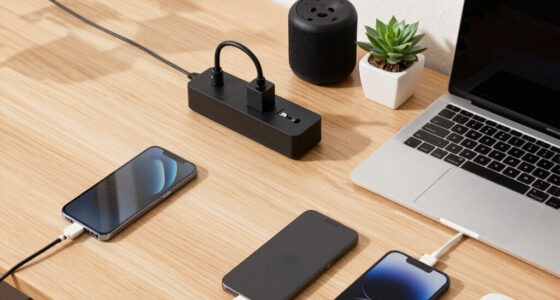
Use surge protectors and portable power banks to keep devices charged without clutter.
Set up an ergonomic workspace with adjustable furniture and screen stands to prevent strain.
Secure your devices with antivirus, VPNs, and regular backups to protect your data in shared spaces.
How to Get Reliable Internet That Won’t Drop During Study Sessions
Reliable internet is the backbone of your dorm study setup. Nothing kills focus faster than a lagging connection. To keep your research, video calls, and online classes smooth, consider these steps:
- Test your Wi-Fi strength in different parts of your room. If signals are weak, move your router or add a Wi-Fi extender.
- Choose a router with dual-band Wi-Fi (2.4 GHz and 5 GHz). The 5 GHz band offers faster speeds with less interference — perfect for streaming or video calls.
- Position your router centrally in your dorm, away from walls and electronics. This helps maximize coverage.
- Consider a mesh Wi-Fi system if your dorm is large or has multiple rooms. It creates a seamless network, so you’re not stuck with dead zones.
Having a strong, stable internet connection isn’t just about convenience; it directly influences your ability to attend online classes, access resources, and collaborate. Weak Wi-Fi can cause frustrating disruptions, leading to lost focus and wasted time. Investing in good coverage means fewer interruptions, better communication, and more reliable access to educational tools — all critical for academic success in a small, often shared space.
best Wi-Fi extenders for dorm rooms
As an affiliate, we earn on qualifying purchases.
As an affiliate, we earn on qualifying purchases.
Choosing the Right Laptop or Desktop for Dorm Study — What Matters Most
Your laptop or desktop is your primary tool for writing papers, coding, or designing. But with limited space, you need a device that balances power and portability. Look for:
- Weight under 4 pounds for easy carrying.
- Battery life of at least 8 hours — so you’re not hunting for outlets.
- At least 8GB RAM and a fast SSD for smooth multitasking and quick load times.
- A screen size of 13-15 inches — big enough to work comfortably but compact enough for a small desk.
For instance, a student swapped their bulky desktop for a lightweight 13-inch MacBook Air with a 256GB SSD, making it easy to study on their bed or in the common lounge.
Choosing the right device isn’t just about specs; it’s about understanding your specific needs. A lightweight, high-performance laptop reduces clutter and makes it easier to move between study spots, which is essential in cramped dorms. The tradeoff often involves balancing screen size and portability; a larger screen is more comfortable for extended work but can be less portable. Prioritizing a device that offers both performance and mobility ensures your study setup remains flexible and efficient, helping you stay focused regardless of your room’s size.
As an affiliate, we earn on qualifying purchases.
Power Up Smartly: Outlets, Surge Protectors, and Portable Power Banks
In a tiny dorm room, outlets are gold. You’ll need multiple for your laptop, phone, portable speakers, and maybe a desk lamp. Invest in:
- A surge protector with six or more outlets to prevent overloads and protect your devices.
- A power strip with USB ports for quick charging.
- Portable power banks with at least 20,000mAh capacity — handy for studying in the library or on the go.
Imagine finishing a long study session, then heading to the library, only to find your phone and tablet dying. A 20,000mAh power bank can recharge your devices twice over, keeping you connected and focused.
Efficient power management in small dorms is crucial because outlets are often limited and shared. Using surge protectors not only safeguards your devices but also consolidates multiple charging needs into a single outlet, reducing clutter and preventing overloads. Portable power banks extend your ability to stay connected on the go, especially during long study sessions outside your room. The tradeoff is portability versus capacity; higher-capacity banks are bulkier but last longer. Selecting the right combination ensures your devices stay powered without sacrificing valuable desk space or mobility, which is vital for maintaining productivity in tight quarters.
ergonomic desk chair for small spaces
As an affiliate, we earn on qualifying purchases.
As an affiliate, we earn on qualifying purchases.
Creating an Ergonomic Workspace That Keeps You Comfortable All Night
Studying for hours on a small desk can lead to neck and back pain. An ergonomic setup makes a difference. Here’s how:
- Use a sturdy desk and a comfortable, adjustable chair that supports your lower back.
- Add a laptop stand to bring your screen to eye level, reducing neck strain.
- Pair your monitor or laptop with an external keyboard and mouse for a natural typing position.
For example, a student who used a portable laptop stand and an adjustable chair reported less neck pain after a week of consistent study sessions. Good posture isn’t just comfort; it boosts focus too.
Creating an ergonomic workspace in a small dorm isn’t just about comfort; it’s about safeguarding your health and maintaining focus during long study hours. Proper positioning reduces strain on your neck, back, and wrists, preventing chronic pain that can derail your academic progress. The tradeoff involves investing in adjustable or space-saving furniture, which might cost more upfront but pays off by improving your comfort and productivity. An ergonomic setup helps you stay alert and reduces fatigue, making study sessions more effective and less physically taxing.
laptops with long battery life for students
As an affiliate, we earn on qualifying purchases.
As an affiliate, we earn on qualifying purchases.
Must-Have Peripherals and Accessories to Boost Your Focus
Accessories turn a basic desk into a productivity hub. Here are essentials:
- External keyboard and mouse for comfort during long typing sessions.
- Noise-canceling headphones or earbuds to block distractions — especially crucial in noisy dorms.
- A webcam for online classes and virtual study groups.
One student invested in a good pair of noise-canceling headphones and noticed a 20% increase in focus during study hours, even with roommates chatting nearby. Small accessories can make a big difference.
Adding peripherals isn’t just about convenience; it directly impacts your ability to concentrate and participate in virtual classes. An external keyboard and mouse allow for a more natural, less straining typing posture, which is crucial during long sessions. Noise-canceling headphones help create a focused environment amid the typical dorm noise, reducing mental fatigue and distraction. A quality webcam enables clearer communication during online interactions, which can improve collaboration and engagement. The tradeoff involves cost versus benefit; investing in good peripherals can significantly enhance your study efficiency and comfort, making your small space more functional and less stressful.
Protect Your Tech and Data: Security Tips for Dorm Students
Sharing a small living space means protecting your devices and files from theft or malware. Here’s what to do:
- Install antivirus software and keep it updated.
- Use a VPN when accessing public Wi-Fi or sensitive info.
- Back up important files to cloud services like Google Drive or Dropbox regularly.
- Enable multi-factor authentication on your accounts for extra security.
For instance, when a student used a VPN during a public Wi-Fi session, it prevented potential hacking attempts on their online banking and school accounts.
In shared living spaces, digital security isn’t just a precaution—it’s essential. Antivirus software guards against malware that can compromise your data, while a VPN encrypts your internet traffic, preventing outsiders from intercepting sensitive information. Regularly backing up files ensures that even if devices are stolen or damaged, your work remains safe. Enabling multi-factor authentication adds an extra layer of protection against unauthorized access. The tradeoff involves a slight inconvenience for significantly enhanced security, which is vital in shared environments where vulnerabilities are higher. Prioritizing digital safety allows you to focus on your studies without worrying about data breaches or device theft.
Smart Tech Trends That Make Dorm Study Easier
Recent tech advances are making studying in small spaces more convenient. For example:
- Wireless charging pads eliminate clutter and cable tangles.
- Portable monitors expand your screen space without bulky setups.
- Smart speakers or assistants (like Google Nest) remind you of deadlines and answer quick questions.
One student stacked their phone on a wireless charger, then used a portable monitor to run multiple apps side by side — boosting productivity in their tiny study corner.
Keeping up with the latest tech trends isn’t just about novelty; it’s about leveraging tools that streamline your workflow and reduce clutter. Wireless chargers declutter your desk by removing cables, creating a cleaner, more organized space that’s easier to navigate. Portable monitors give you extra screen real estate without adding bulk, which is crucial in cramped rooms. Smart speakers help manage your schedule and answer quick questions hands-free, saving time and mental effort. Embracing these innovations means you can maximize limited space and stay focused on your studies, turning small rooms into efficient, tech-savvy environments.
Frequently Asked Questions
What is the best laptop for dorm study purposes?
A good dorm laptop should be lightweight, with at least 8GB RAM, a fast SSD, and a battery that lasts 8+ hours. For example, a 13-inch MacBook Air or a Dell XPS 13 balances portability and performance perfectly.How can I improve my Wi-Fi signal in a dorm room?
Start by testing your Wi-Fi strength in different spots. Use a Wi-Fi extender or a mesh system if needed, and position your router in a central, open space. Upgrading to a dual-band router also helps avoid interference.What are affordable tech options for students on a budget?
Look for budget-friendly laptops with solid specs, like Chromebooks or refurbished models. Use inexpensive accessories like USB hubs, portable power banks, and basic noise-canceling earbuds to boost your setup without breaking the bank.Install trusted antivirus software, use a VPN on public Wi-Fi, and back up files regularly to cloud services. Enable multi-factor authentication on your important accounts for added security.
What accessories are essential for a productive study environment?
External keyboard, mouse, noise-canceling headphones, and a webcam are key. These improve comfort, help block distractions, and make online classes and meetings smoother.Conclusion
Building a dorm study space that works isn’t just about space — it’s about smart tech choices that keep you focused, comfortable, and secure. Think of your setup as a mini command center, ready for whatever your coursework throws at you.
Remember: a few key upgrades, like a solid Wi-Fi extender or ergonomic accessories, can transform your tiny room into a productivity powerhouse. Stay intentional, stay connected, and keep pushing forward.